Navigating Clinical Setbacks in Pediatric Thymus Transplantation
According to CBS Los Angeles, the toddler, Syanne Landron, just turned two in an isolation room on the hospital's fifth floor, surrounded by the medical team that has been managing her care.
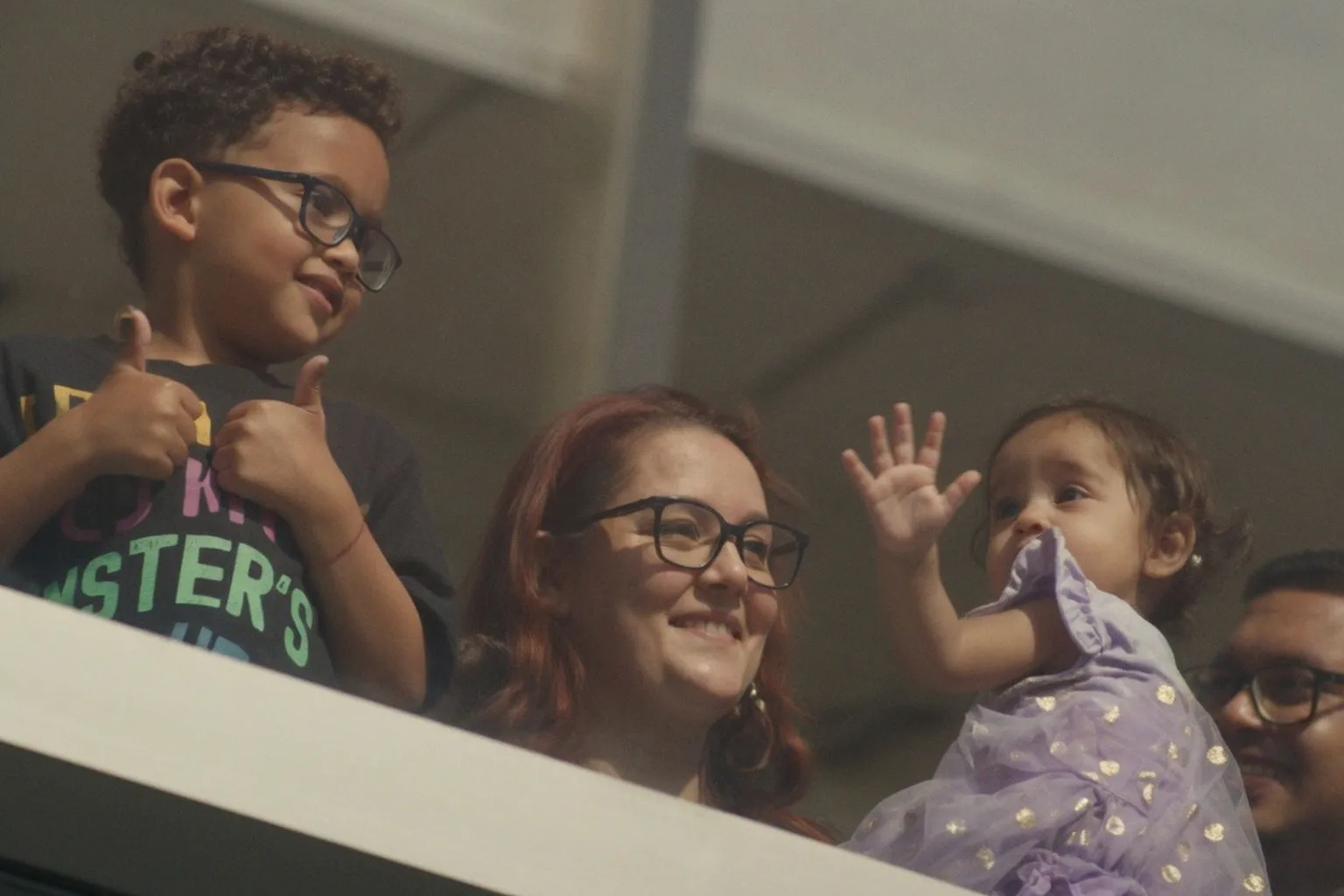
A child born without a functioning immune system is back at UCLA Mattel Children's Hospital, and her case is giving us a rare window into what happens when a thymus implant falls short of expectations. According to CBS Los Angeles, the toddler, Syanne Landron, just turned two in an isolation room on the hospital's fifth floor, surrounded by the medical team that has been managing her care. For families walking the same road and for the clinicians who guide them, her trajectory reminds us how narrow the margin is between cautious hope and active complication.
When the transplant underdelivers
Syanne received a thymus implant nearly a year ago, with the goal of enabling her body to generate its own infection-fighting T cells. That is the design of the intervention: rebuild the missing piece of the immune cascade so a child who otherwise has no adaptive defense can begin to fight infections on her own. As CBS Los Angeles reports, her immune system has not developed as much as the team hoped, and she has now spent roughly six weeks back in the hospital after another health setback.
The reassuring piece of this story—and we want to be precise about it, because parents in our community will hear both halves—is that her body has not rejected the transplant. Dr. Caroline Kuo noted that a child getting a second chance at this kind of transplant is uncommon, and that the team is encouraged even as they continue to wait and watch.
What this means for the clinical pathway
For us as clinicians, the practical lesson here is that thymus tissue implantation is not a one-and-done procedure. We counsel families that immune reconstitution following these implants is gradual, often measured in months, and that partial reconstitution is itself a meaningful clinical milestone even when it does not meet the original goal. The next phase for Syanne includes additional testing to map exactly which components of her immune system are emerging and which remain absent—an assessment that will guide decisions about supportive care and ongoing protective measures.
For parents reading along, the Landron family has lived in conditions of near-total isolation for two years, the kind of protective bubble we sometimes recommend for children whose immune systems cannot yet handle ordinary infection. The father, Alex Landron, described the journey as a "rollercoaster." The mother, Marilyn Landron, recalled her daughter now saying, "Help me. Please stop. I don't like it," during procedures—language we do not often hear from a two-year-old, and a reminder that protective isolation is not only an immunological strategy but a developmental one as well.
What we will be watching
In the coming weeks, we will look for the team's updates on how Syanne's immune profile evolves, what additional testing reveals, and whether the clinical course shifts in ways that change her management pathway. We are also watching the broader literature moving alongside cases like hers: a recent Nature piece examined long-term complications after total body irradiation in young children transplanted for acute lymphoblastic leukemia, and Medical Daily reported on emerging mitochondrial transplantation work in pediatrics. Both sit at the edge of pediatric immune medicine and both matter to the families we serve, even if neither speaks directly to Syanne's specific situation.
For now, as Dr. Caroline Kuo told CBS Los Angeles, it is "remarkable" that Syanne made it to her second birthday. That is a real milestone. It is also the beginning of another stretch of careful waiting, and we will follow it as closely as the clinical community follows every child in this small but deeply studied population.