How T Cells Use Mechanical Cues to Build Long-Term Immunity
According to McGill University Health e-News, a McGill-led study has found that T cells can sense the stiffness of the tissue around them and use that mechanical information as they develop into…
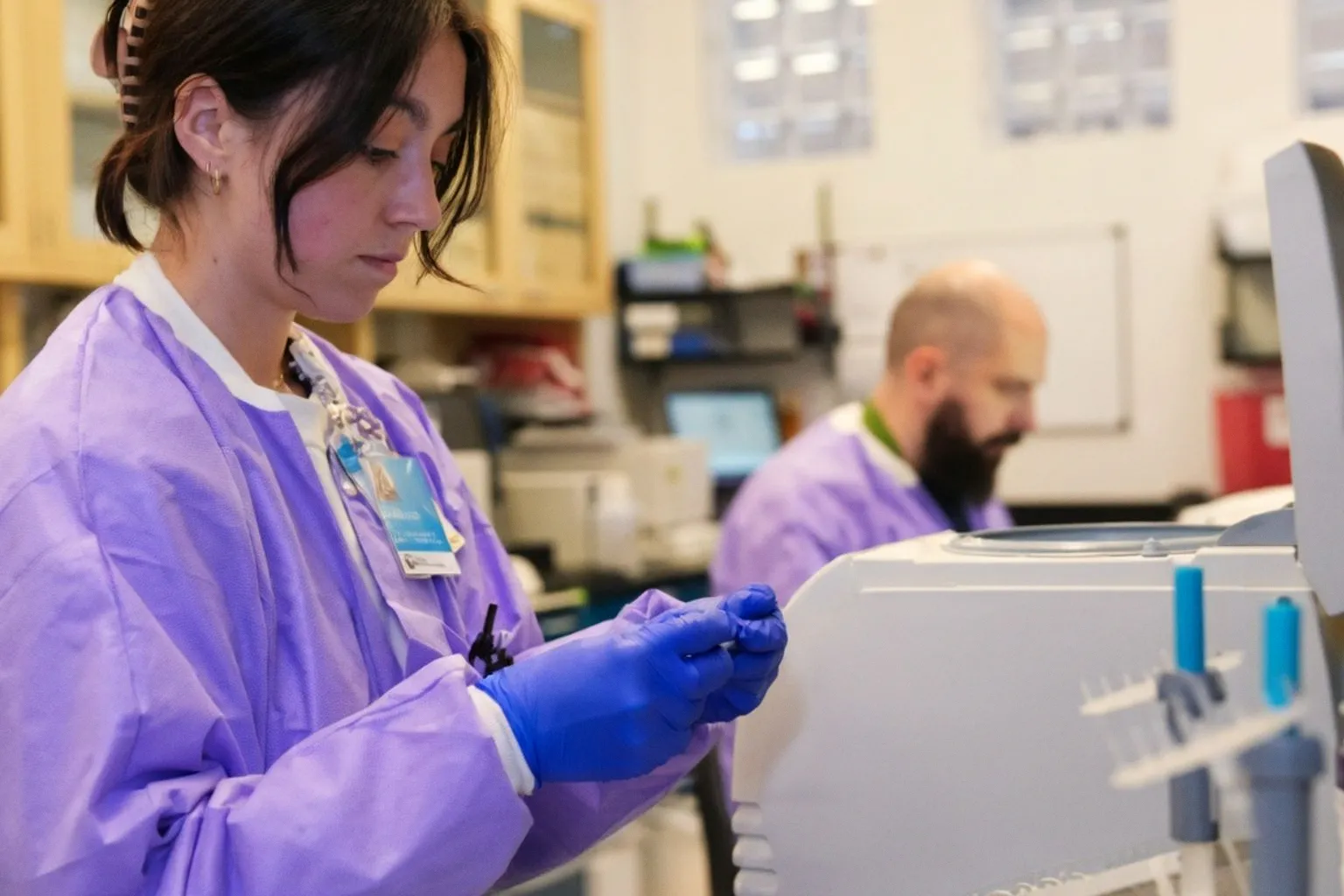
According to McGill University Health e-News, a McGill-led study has found that T cells can sense the stiffness of the tissue around them and use that mechanical information as they develop into long-lived tissue-resident memory cells. The result adds a physical dimension to how durable immunity may form. For pediatric immunology, however, this is a mechanistic finding—not evidence of a new treatment, improved vaccine response, or clinical benefit for children with immune disorders.
The finding is about immune-cell behavior
Tissue-resident memory T cells remain in tissues after an infection has cleared and can respond rapidly if the threat returns. The McGill report says these cells have traditionally been understood mainly through biochemical signals. The new study challenges that narrow view by identifying tissue stiffness as another cue that may influence their development.
In practical terms, the surrounding tissue is not simply a passive setting for immune cells. Its physical properties may help shape whether T cells adopt a longer-lived, tissue-resident memory profile. The reported effect was observed when immune cells from humans and mice were exposed to engineered collagen gels representing tissues with different levels of stiffness: the stiffer the gel, the more likely the cells were to develop characteristics associated with tissue-resident memory cells.
That is an important biological observation, but it is not an efficacy endpoint. The report does not establish that manipulating tissue stiffness improves protection against infection, prevents autoimmune disease, or changes outcomes in children with primary immunodeficiencies. It also does not provide a safety profile for a therapy, because no therapy is being tested here.
Relevance to pediatric immune research
The study may eventually inform research into autoimmune disease, allergies, transplant rejection, and immunotherapy. These conditions involve T-cell activity in tissues, so understanding how physical surroundings influence immune-cell persistence could help researchers interpret why immune responses behave differently across organs or disease environments.
The connection to childhood immunodeficiency is more indirect. A finding about how T cells become long-lived memory cells could be relevant to future work on immune development and immune protection, but the available summary does not report a pediatric clinical cohort, a patient population with a defined immunodeficiency, or a treatment intervention. There is therefore no basis to present this discovery as a diagnostic advance or as a therapy for children.
In my experience evaluating immune research, this distinction matters. A compelling mechanism can identify a promising target, but it does not remove the regulatory hurdles between laboratory biology and patient care. Before this line of work could support a clinical program, researchers would need to establish the molecular sensor that detects tissue stiffness, determine how that pathway can be modified, and show that any intervention produces a meaningful benefit without increasing adverse events or unwanted immune activation.
What researchers still need to clarify
The next stated challenge is identifying the molecular sensor that allows T cells to detect their physical environment and translate mechanical force into biological change. Until that mechanism is defined, the finding remains an early research lead rather than a validated therapeutic strategy.
For clinicians and families, the immediate route is therefore observation rather than action. No new test, medication, vaccine schedule, or treatment decision follows from this study alone. The useful question is whether future work moves beyond cell behavior in engineered tissue models and demonstrates reproducible effects in relevant disease cohorts, including children where the biology and safety profile may differ.
The sober verdict: T cells may indeed have a form of mechanical sensing, and that could reshape basic immunology. But statistical significance, clinical efficacy, and acceptable adverse-event data are still the missing steps. The discovery is scientifically notable; its real-world viability remains unproven.