New London Pediatric Lab Uses Proteomics to Predict Disease Before Symptoms Emerge
The Children's Health Research Institute in London, Ontario, has opened what it claims is Canada's first pediatric laboratory certified for Olink proteomics — a platform capable of profiling thousands of proteins from a few microlitres of blood.
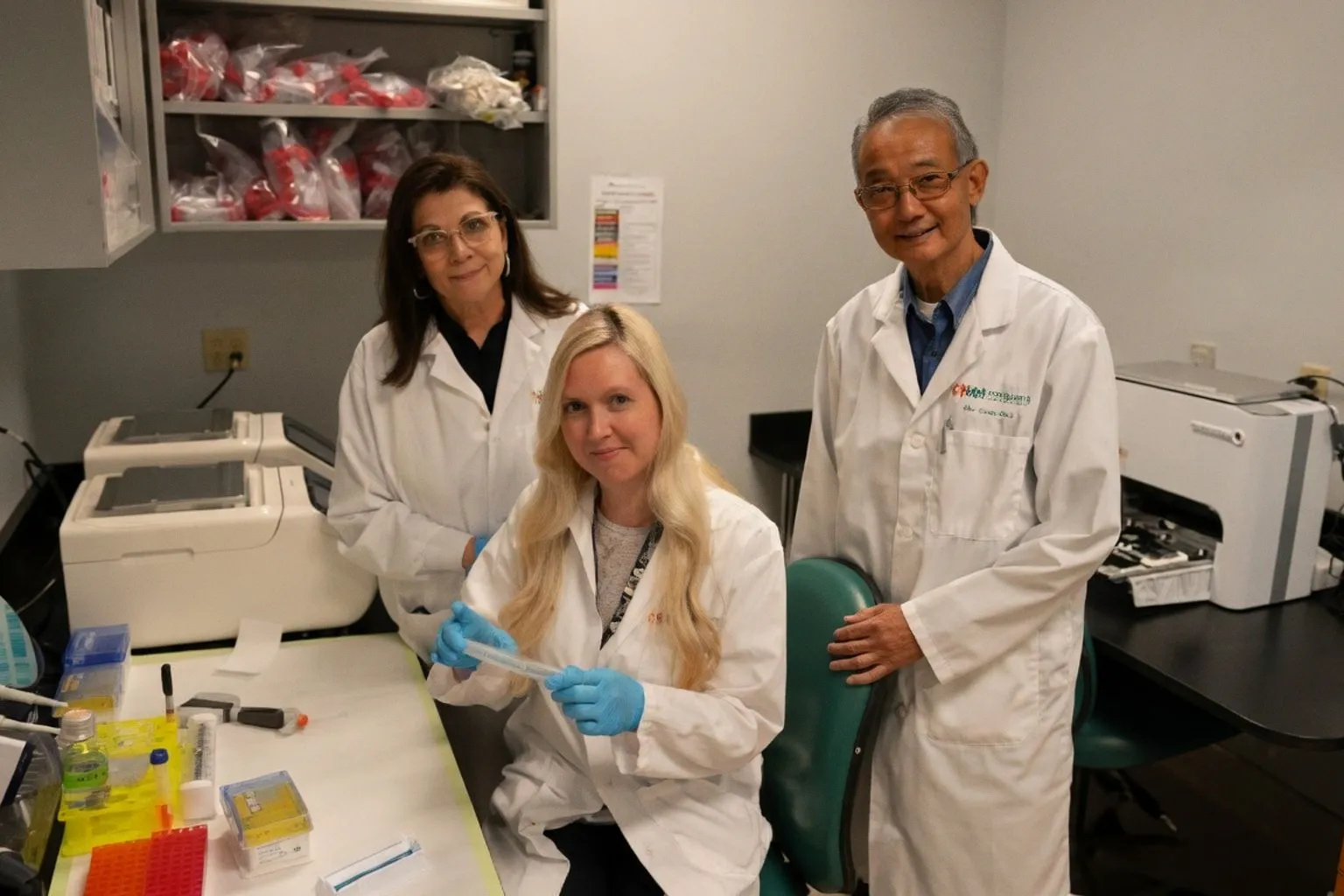
A Proteomics Lab Built for the Smallest Cohort
In my experience running cohorts where neonatal sample volumes are the binding constraint on study design, this is the kind of infrastructure shift that actually matters. The question, as always, is whether the downstream research will produce endpoints rigorous enough to change clinical practice.
What the Platform Actually Does — and Why It's Not a Silver Bullet
Olink's proximity extension assay technology lets researchers measure protein biomarkers at scale from minimal blood volumes — a critical advantage when your subjects are premature infants weighing under a kilogram. Dr. Victor Han, the institute's scientific director, framed the lab's mission around detecting disease before clinical symptoms manifest, with the long-term goal of developing personalized, targeted treatments.
That framing is ambitious, and I'd urge caution before reading too much into it. Proteomic profiling generates enormous datasets, and the gap between identifying protein signatures and translating them into validated diagnostic or therapeutic endpoints is substantial. We've seen plenty of biomarker candidates with promising early associations fail to reach statistical significance in adequately powered validation cohorts. The bioinformatics and AI pipeline Han referenced will need rigorous benchmarking before anyone should trust it for clinical decision-making in infants.
Early Indications and the Real Bottleneck
The lab is already channeling its capabilities into preeclampsia research, studying protein biomarkers that could enable earlier intervention before pregnancy complications escalate. Planned future work includes chronic lung disease in premature infants, infectious disease, and rare genetic conditions — all areas where early detection could meaningfully alter outcomes, provided the evidence base holds up.
One practical advantage worth noting: the facility will allow Canadian researchers to run proteomic analyses domestically rather than shipping samples to overseas labs. That cuts turnaround times and costs, which in my experience directly affects how quickly a study can iterate on its protocol and close enrollment windows.
But let's be clear about the regulatory hurdles ahead. Protein biomarker panels don't just need peer-reviewed publications — they need prospective validation, regulatory clearance, and demonstrated clinical utility before they change how we screen or treat pediatric patients. The technology is a tool, not a result. What matters now is the quality of the cohorts this lab recruits, the rigor of its trial methodology, and whether the data it produces can survive the scrutiny that any pediatric intervention demands.
The infrastructure is in place. The real work starts now.