NICE Expands Access to Sublingual Immunotherapy for Children with Allergic Rhinitis
NICE just opened a therapeutic door I have been watching for years. On 14 August 2026, the institute published updated final draft guidance recommending two sublingual immunotherapies — itulazax and…
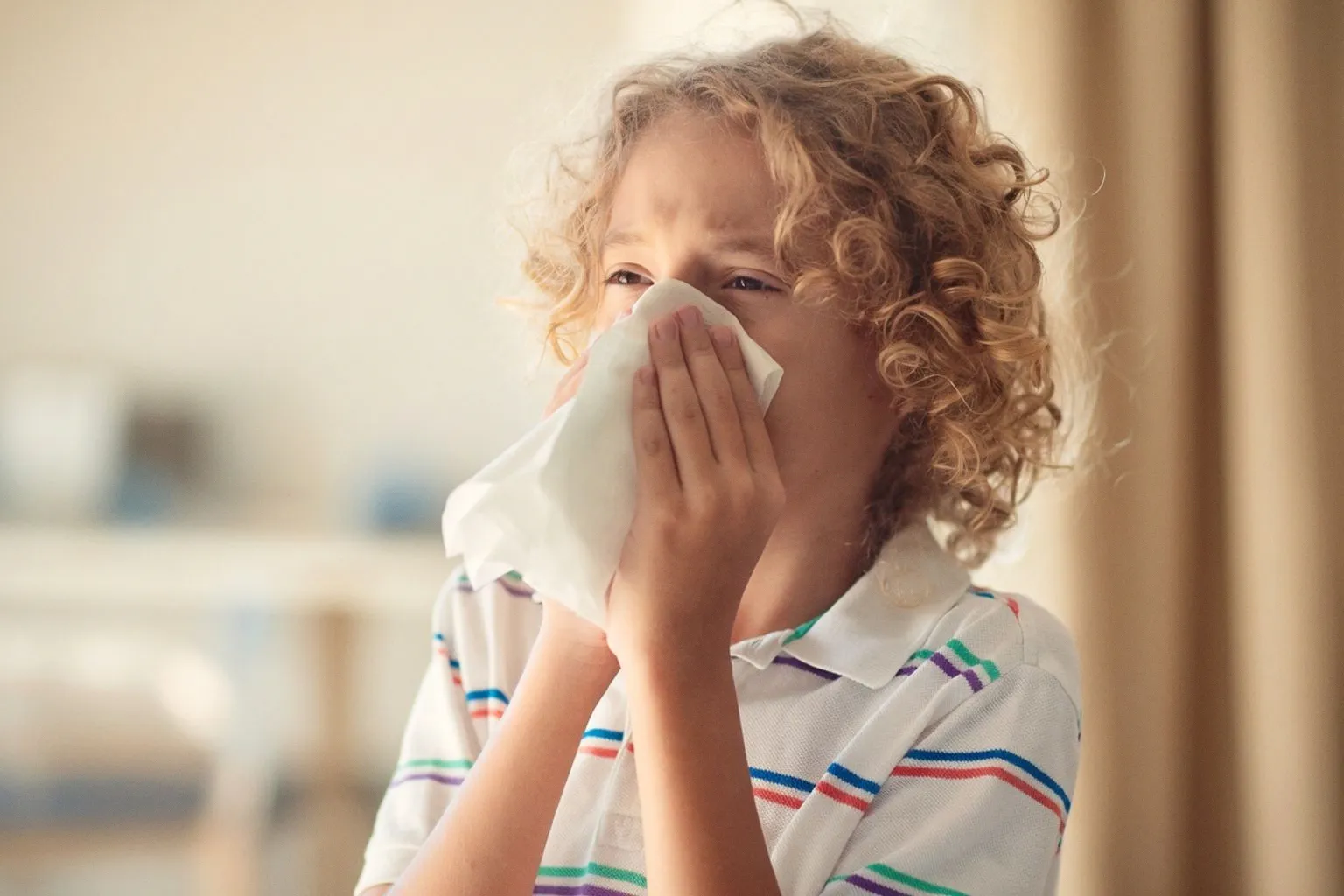
NICE just opened a therapeutic door I have been watching for years. On 14 August 2026, the institute published updated final draft guidance recommending two sublingual immunotherapies — itulazax and acarizax, both from ALK-Abelló — for children with allergic rhinitis on the NHS in England and Wales. For anyone running pediatric allergy cohorts, this is not a cosmetic guideline update. It is a structural shift in who qualifies for disease-modifying treatment.
What the guidance actually covers
Itulazax (12 SQ-Bet) is now recommended for children aged 5 to 17 with allergic rhinitis and/or conjunctivitis triggered by birch pollen. Acarizax (12 SQ-HDM) is recommended for children aged 5 to 11 whose allergic rhinitis is driven by house dust mites. Both are once-daily tablets that dissolve under the tongue. NICE had already greenlit both products for adults in 2025; the new draft simply extends the eligible age range downward after reviewing pediatric evidence. In my experience running these cohorts, the clinical question is never "does it work in principle" — it is "does the pediatric dataset hold up to the same scrutiny we demanded in adults?"
Why the timing matters
The pediatric allergy landscape has been quietly deteriorating. NHS Business Services Authority data released earlier in August 2026 showed that antihistamine prescribing has risen 18% over the past five years, and the Met Office has warned that shifting temperature and rainfall patterns may extend the UK pollen season and raise pollen concentrations. Symptom-relief prescribing is climbing while the underlying allergic drive goes untreated. That mismatch is exactly what sublingual immunotherapy is designed to address — not by suppressing histamine, but by retraining the immune response to the offending allergen.
What I will be watching
The real test is whether NHS clinics can operationalize this. Sublingual immunotherapy requires adherence to a daily dosing schedule, monitoring for local and systemic adverse events, and clear referral pathways from primary care. The guidance notes that NICE judged there was sufficient evidence of benefit and cost-effectiveness to support routine use — but in my experience, "routine use" on paper and "routine delivery" in a stretched pediatric allergy service are two different endpoints. George du Toit, professor in paediatric allergy at Guy's and St Thomas', framed this as the first NHS-funded option that targets the underlying cause rather than symptoms, with potential downstream effects on allergic asthma risk. That is a meaningful claim, and one I will want to see supported by longer-term follow-up data before I treat it as settled.
For families, the immediate actionable step is straightforward: request a referral to an NHS allergy clinic if a child meets the age and allergen criteria. For clinicians, the harder work — patient selection, adherence support, adverse event surveillance — begins now.