In Vivo Base Editing for Neonatal Metabolic Disorders: Clinical Reality vs. Roadmap
Per a recent Cureus review, the field of in vivo base editing for neonatal inborn errors of metabolism has moved from bench toward bedside — but the published clinical picture, as far as I can verify…
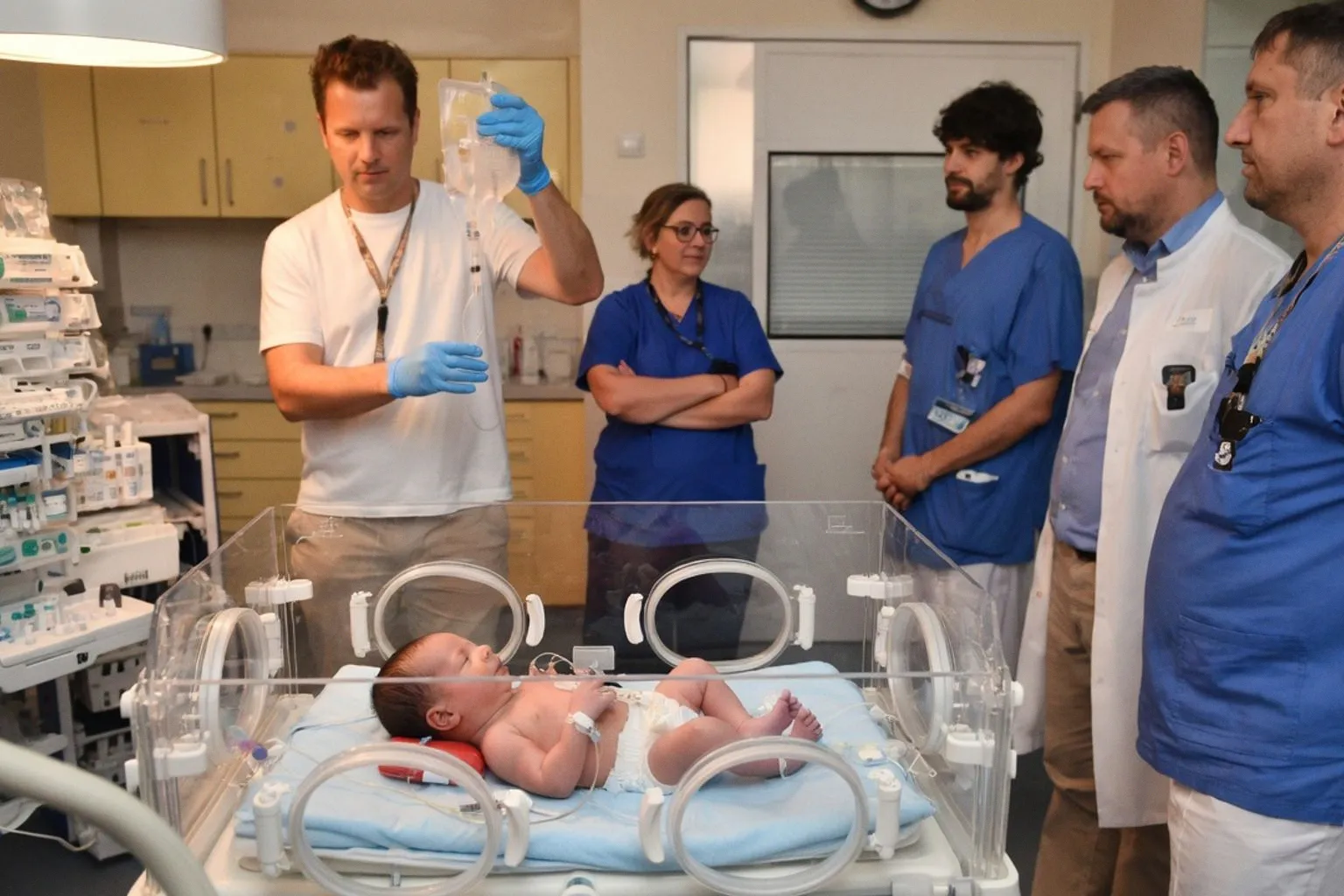
Per a recent Cureus review, the field of in vivo base editing for neonatal inborn errors of metabolism has moved from bench toward bedside — but the published clinical picture, as far as I can verify from what's currently circulating, is still more roadmap than readout. The article frames bespoke N-of-1 genetic medicines as both the most promising path for ultra-rare metabolic disease and the one with the gnarliest regulatory and ethical overhang. In my experience running these protocols, that tension is exactly where pediatric immunology is living right now.
What the review commits to — and what it doesn't yet show
With only the title accessible to me, I'll judge the piece by what it promises to deliver: clinical progress in in vivo base editing for neonatal IEMs, an examination of the N-of-1 single-patient paradigm, and an ethics discussion of bespoke genetic medicine. That's a tidy three-pillar structure. Before I'd lift a finger in optimism, I want to see editing efficiency in target tissue, off-target events in liver and CNS, durability beyond the first year, and a proposal for how you standardize manufacturing when each dose is built for one child. Reviews are useful for orientation; they don't enroll patients.
The week's real pediatric CGT signal
While we wait on the base editing cohort readouts, this week's cell-and-gene-therapy coverage in The Medicine Maker is where the actionable pediatric signal sits. Three items deserve closer inspection.
A PRAME-directed autologous T-cell receptor therapy produced a complete response in a 17-year-old with multiply relapsed nephroblastoma that had metastasized to abdomen, lungs, liver, pelvis, and brain. The product was manufactured locally in seven days using a vector from Immatics. At nine days post-infusion, biopsy showed extensive T-cell infiltration and tumor-cell death; three months out, no viable tumor cells; nearly a year out, imaging and bloodwork showed no active disease. A Phase I/II in up to 18 children and adolescents with PRAME-positive solid tumors is planned for 2027. Statistically, an N-of-1 is a case report — until that trial enrolls, I would counsel families accordingly.
Separately, a long-term CAR T follow-up — drawn from longitudinal samples of 38 patients who received what is now known as tisagenlecleucel, with the original analysis published in Nature Medicine — reported ten-year lymphoma-free survival of 32% in large B-cell lymphoma and 47% in follicular lymphoma, with no relapses beyond 5.4 years. In one patient sampled at 9.3 years, the dominant CAR T population was CD4-negative, CD8-negative, and showed an activated effector-memory phenotype. This is the durability data pediatric immunologists have been waiting for, and it should reshape how we counsel families about persistence — both the protective kind and the kind that creates lasting B-cell aplasia.
Finally, an in vivo CRISPR screening platform evaluated nearly 20,000 gene knockouts in human T cells inside mouse tumors. P2RY8 knockout increased infiltration; GNAS knockout helped cells resist suppression and preserve interferon-gamma production. Combining the edits kept two-thirds of mice tumor-free at low cell dose in a lung-cancer model, with activity also reported in melanoma, pancreatic, gastroesophageal, and uterine sarcoma models.
The checklist I want before I'd call base editing viable
For neonatal IEMs, the verification bar is short and unforgiving: confirmed in-vivo editing efficiency, off-target sequencing against pre-specified statistical thresholds, hepatic and neurologic adverse-event grading that goes beyond transaminases alone, and at least one comparator cohort against standard enzyme replacement or substrate reduction. The Cureus review is a useful map of where the field wants to go. The clinical terrain underneath that map is still being surveyed — and parents considering enrollment for their child should be told exactly that, in language that doesn't dress up a case report as a cure.