Uncovering Rare Genetic Drivers Behind Pediatric Neurodevelopmental Disorders
News-Medical reported that researchers have identified a rare genetic change linked to a neurodevelopmental disorder, while Firstpost detailed how a single social media message sparked an Indo-Dutch…
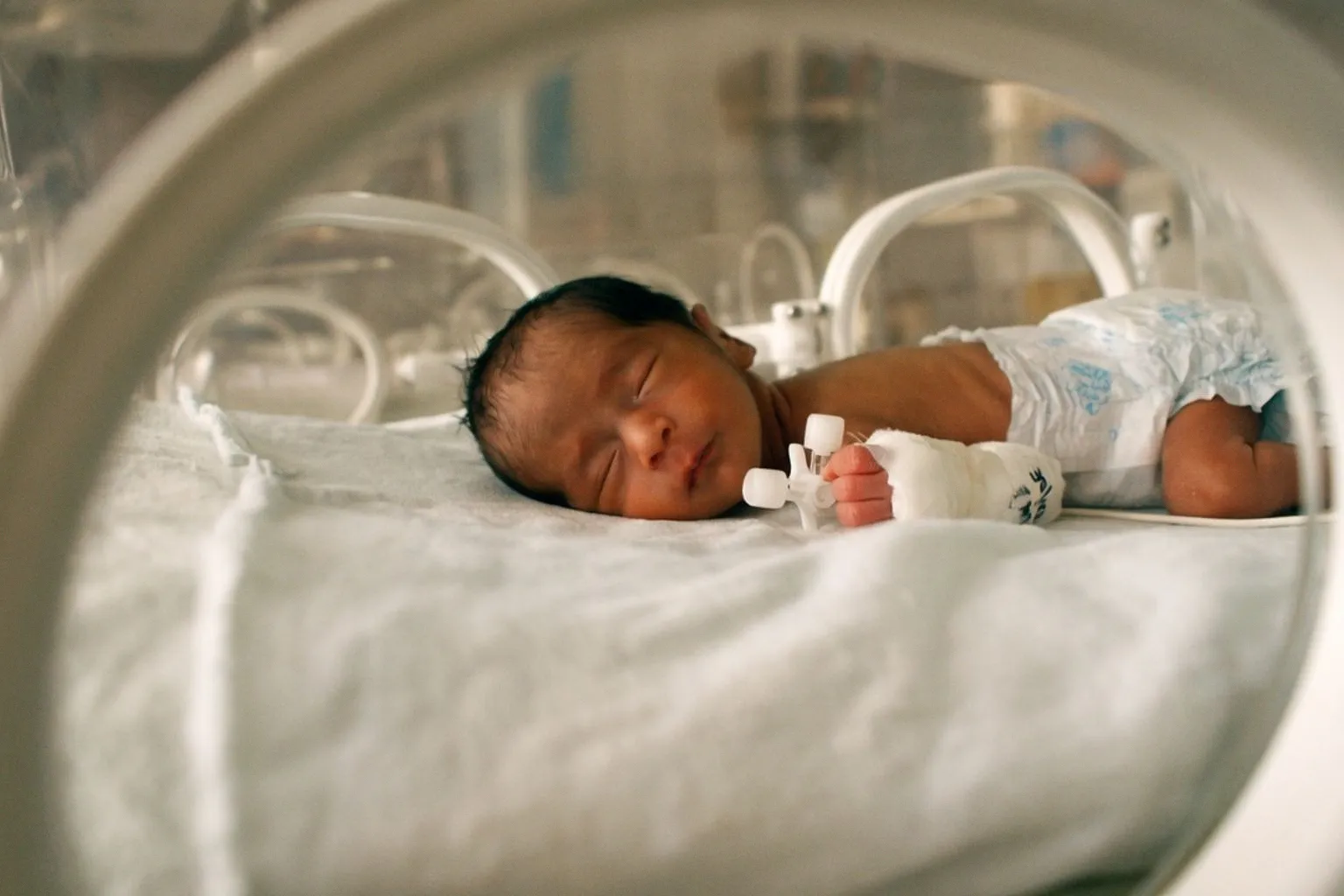
A new chapter is unfolding in the management of rare pediatric neurodevelopmental disorders, and it touches two stories that surfaced within a day of each other. News-Medical reported that researchers have identified a rare genetic change linked to a neurodevelopmental disorder, while Firstpost detailed how a single social media message sparked an Indo-Dutch effort to source a treatment for a 20-month-old child with Allan-Herndon-Dudley Syndrome (AHDS). For us in pediatric rare-disease care, both threads matter: one points to the diagnostic frontier, the other to the very real access problem that follows a molecular finding.
The clinical picture: what AHDS actually is
Allan-Herndon-Dudley Syndrome is an ultra-rare genetic disorder rooted in MCT8 deficiency — the body's thyroid hormone T3 cannot be transported properly into the brain. The clinical presentation includes severe developmental and neurological problems, which is what brings families like that of Arav Deb, the 20-month-old at the center of the Firstpost report, into the long diagnostic and therapeutic pathway that defines rare pediatric disease.
We want to pause here on terminology, because in our field we routinely see families arrive at a genetic diagnosis already exhausted by the journey. AHDS is not an immune deficiency; it is a disorder of hormone transport at the neuronal level. That distinction matters when we counsel families about which subspecialist to engage and what management pathway to expect — neurology, endocrinology, and genetics typically lead, with immunology involved only if overlapping features surface.
Tiratricol: an old molecule, a new price
Here the story turns from the bench to the pharmacy shelf. Tiratricol — also called TRIAC or triiodothyroacetic acid — was first synthesized in 1953 and registered in France in 1974 under the brand name Teatrois for thyroid hormone resistance syndrome. It was not, originally, a costly medicine. Wilbert Bannenberg, chairperson of the Dutch Pharmaceutical Accountability Foundation and a pharmacist with more than 35 years of work in pharmaceutical systems in developing countries, told Firstpost that "About 350-microgramme tablet originally cost around €0.35, and patients typically took one or two tablets a day."
In 2014, researchers at Erasmus MC in Rotterdam identified the possibility of using tiratricol in MCT8 deficiency — unlike T3, tiratricol can bypass the defective MCT8 transporter and enter neuronal cells directly. From there, the molecule moved into the orphan-drug development pathway, and significant portions of the supporting clinical research were funded by public and charitable sources rather than industry.
The access problem, and why it matters for any rare-disease family
This is where the Firstpost story lands hardest for our readership. Tiratricol is not available in India. According to the report, the family received permission from the Government of India to import the finished product, but the manufacturer declined to supply it. They are now attempting to bring it in from Germany at roughly Rs 3 lakh per month — a figure the family describes as not feasible.
The Pharmaceutical Accountability Foundation proposed a different route: rather than importing the finished drug, could pharmaceutical-grade raw material be brought into India and the medicine compounded locally under appropriate pharmaceutical standards? A WhatsApp group grew into a working collaboration between the child's family, his pediatrician, Dutch medicine-access specialists, Indian medicine-access activists, and pediatricians who have seen similar patients.
For families navigating any ultra-rare pediatric diagnosis — immunological or otherwise — several practical checkpoints follow from this report. Ask explicitly which body — clinician, hospital pharmacy, import regulator — is the gatekeeper for an unlicensed or orphan medicine in your jurisdiction, and document each step. When a manufacturer declines to supply a country, request the refusal in writing; it often clarifies whether the barrier is commercial, regulatory, or logistical. Ask whether a compounded preparation from pharmaceutical-grade raw material is a feasible alternative in your setting, and under what pharmacy standards it would be produced. And track whether publicly or charitably funded research behind a drug is reflected in the price you are being asked to pay.
What we are watching
Two threads deserve follow-up. First, the News-Medical report on a newly identified rare genetic change linked to a neurodevelopmental disorder — we will look for the underlying paper to understand whether it overlaps with the MCT8 pathway or describes a separate locus, and what it means for carrier testing and newborn screening. Second, the Indo-Dutch compounding initiative: whether pharmaceutical-grade tiratricol can be produced affordably in India will determine whether this collaboration becomes a template for other ultra-rare pediatric conditions, or remains a one-family rescue. Either outcome will inform how we counsel the next family who walks through our door with a name for their child's disease but no clear route to a medicine.