Can Maternal Egg and Peanut Consumption During Pregnancy Prevent Infant Food Allergies?
PubMed has indexed results from the multicenter randomized PrEggNut trial, which examined whether a maternal diet rich in eggs and peanuts during pregnancy can shape early-life immune priming and…
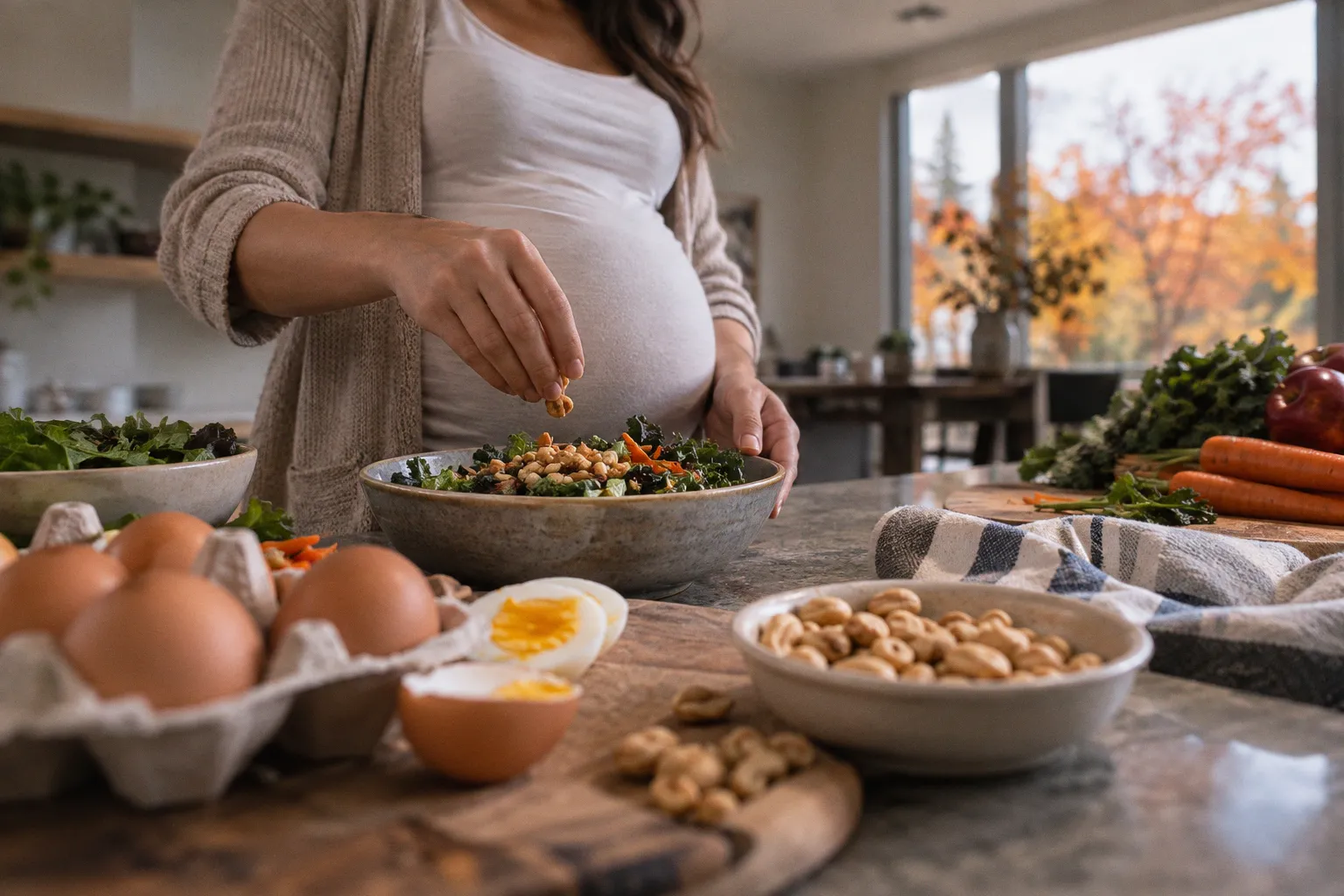
PubMed has indexed results from the multicenter randomized PrEggNut trial, which examined whether a maternal diet rich in eggs and peanuts during pregnancy can shape early-life immune priming and reduce infant food allergy risk. For us in pediatric immunology, this is one of the more deliberately designed dietary intervention studies to enter the recent literature, and it speaks directly to the prenatal counseling window where families most often ask what they can do to lower a child's allergic trajectory.
What the PrEggNut Trial Set Out to Test
The central question, as reported in the PubMed record, is whether maternal consumption of commonly allergenic foods during pregnancy meaningfully alters the immunological environment the infant inherits. Investigators randomized mothers across multiple centers and tracked pediatric food allergy outcomes, positioning the study inside the broader evidence base on primary prevention of allergic disease. For those of us at the bedside, this design matters because prenatal dietary advice is something we are routinely asked about, yet the supporting data have historically been patchy and the messaging from guideline bodies has shifted more than once over the past decade. The PrEggNut framework — maternal exposure rather than maternal avoidance — is now the working hypothesis we increasingly lean toward when reassuring anxious parents.
How to Read This for Your Practice
Because the indexed summary describes the trial's purpose without giving us the full numerical results, we should treat this as an important signal rather than a final word. When you sit with an expectant parent who carries a family history of atopy, the PrEggNut work reinforces that deliberate, supervised inclusion of allergenic foods during pregnancy — rather than restriction — is a defensible position grounded in contemporary clinical research. It also gives us a reference point when families ask whether their prenatal diet could be doing immunological work on behalf of the fetus, and it sets the stage for the longer-term immune trajectories these infants will be followed through as their T-cell and oral tolerance pathways mature.
We will be tracking the fuller publication closely for effect sizes, randomization details, and any subgroup signals, because those are the numbers that ultimately shape how confidently we translate this into the management pathway we walk through with families in clinic.