RSV prevention options for high-risk infants
A single dose of a long-acting monoclonal antibody such as nirsevimab provides passive protection against severe respiratory syncytial virus disease for at least five months.
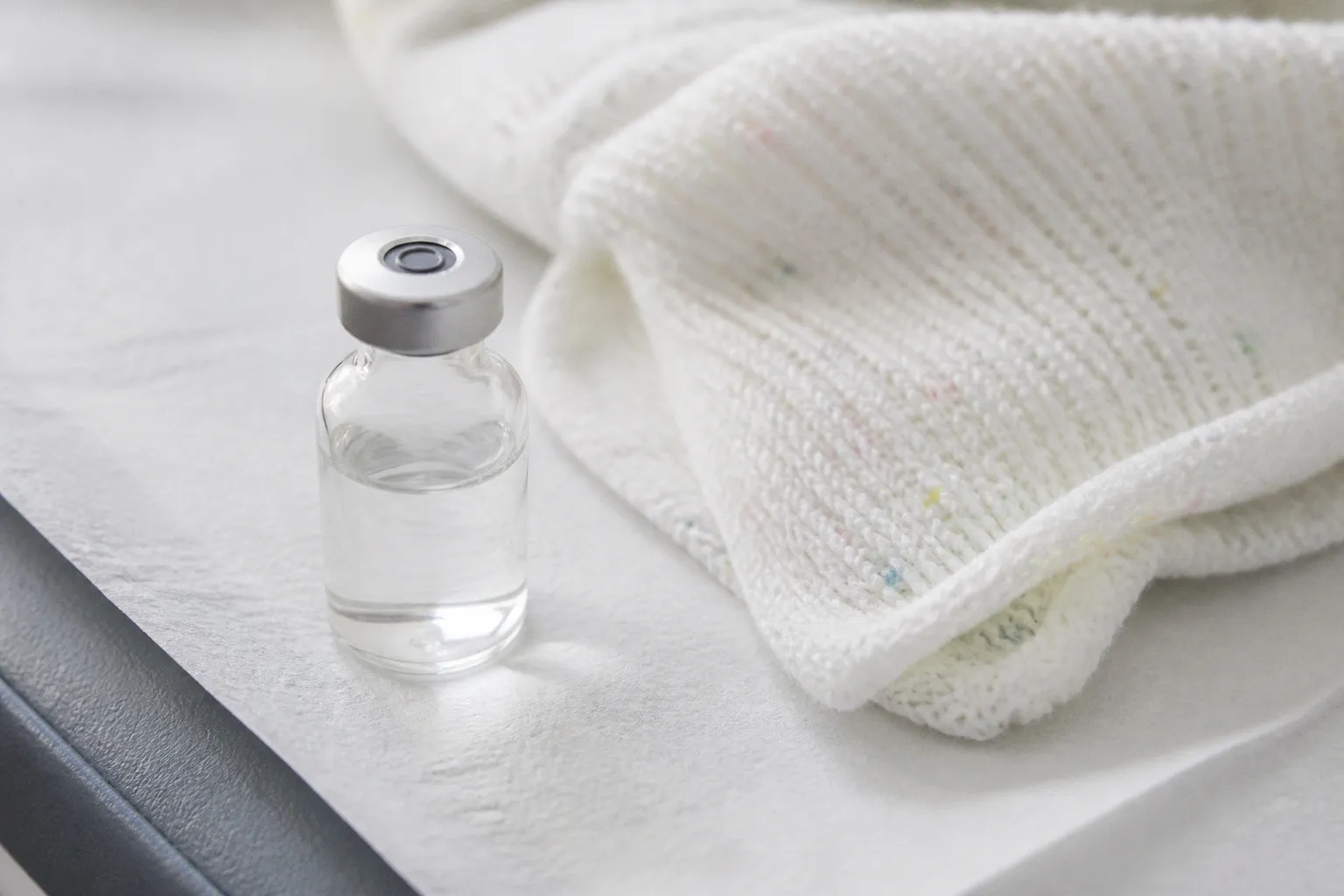
That duration is designed to cover a typical RSV season, but it does not create immune memory and does not function as a conventional vaccine.
For high-risk infants, RSV prevention is therefore an immunization pathway rather than a single universal product choice. The pathway depends on maternal vaccination during pregnancy, the interval between maternal vaccination and delivery, the infant’s age at the start of RSV season, and the presence of conditions associated with severe lower respiratory tract infection.
The central clinical distinction is straightforward: maternal Abrysvo vaccination transfers antibodies before birth; nirsevimab and clesrovimab provide antibodies directly to the infant after birth. Most infants require one of these routes, not both, under standard circumstances.
Maternal Abrysvo vaccination and fetal antibody transfer
Pfizer’s Abrysvo is administered during pregnancy between 32 and 36 weeks of gestation. The objective is passive antibody transfer across the placenta before delivery. The infant does not receive an active RSV vaccine. The transferred maternal antibodies provide early protection during the period when the infant’s own immune system has limited capacity to respond effectively to severe respiratory infection.
The timing of administration is operationally significant. If maternal vaccination occurs at least 14 days before delivery, there is time for antibody transfer to develop before birth. When vaccination occurs within 14 days of delivery, the infant may not have received sufficient transferred protection. In that situation, direct administration of a long-acting monoclonal antibody is generally the relevant prevention pathway.
This is a timing problem, not a failure of the vaccine platform. A maternal vaccine dose given late in pregnancy can be clinically appropriate while still being insufficient as the sole source of neonatal RSV protection. The delivery interval determines whether the infant has had an adequate opportunity to receive protective antibodies.
Maternal immunization also does not eliminate the need for risk stratification. An infant born prematurely, an infant with chronic lung disease of prematurity, or a child with a significant immune disorder may require a separate assessment, particularly when entering a later RSV season. The maternal pathway primarily addresses protection during the first period of vulnerability after birth. It does not establish multi-season immune memory in the child.
The maternal pathway in operational terms
The key variables are:
- Gestational age at vaccination: Abrysvo is administered at 32 through 36 weeks.
- Interval before delivery: A 14-day interval is used as the relevant threshold for antibody transfer before birth.
- Infant age at RSV season entry: Infants younger than 8 months entering their first season are evaluated for direct antibody protection when maternal vaccination was absent or too recent.
- Underlying disease: Chronic lung disease of prematurity, immune compromise, and other high-risk conditions alter the prevention pathway, especially during a second season.
- Product overlap: Standard practice does not require both maternal vaccination and infant monoclonal antibody administration for every infant.
The resulting decision is not based on the label “vaccinated” alone. The clinically relevant question is whether the infant received adequate passive antibody protection through the placenta before delivery.
Maternal vaccination and infant monoclonal antibodies solve the same immediate problem through different biological routes. The delivery interval determines which route is needed.
Direct monoclonal antibody protection in the first RSV season
CDC recommendations advise that infants younger than 8 months entering their first RSV season receive a long-acting monoclonal antibody when the mother did not receive the maternal RSV vaccine during pregnancy or received it within 14 days before delivery.
Nirsevimab is the established example of this approach. It is a passive immunization. The administered antibody binds the viral target directly; it does not require the infant to generate an endogenous antibody response, and it does not produce the immune memory associated with active vaccination.
This mechanism is relevant in infants with immature immune systems and in children whose immune response may be impaired. A conventional vaccine depends on antigen presentation, lymphocyte activation, clonal expansion, and subsequent memory formation. A monoclonal antibody bypasses those stages. Protection is available immediately after administration, but it declines as the antibody is metabolized. The duration is therefore finite.
For nirsevimab, a single dose provides passive protection against severe RSV disease lasting at least five months. This duration aligns with seasonal prophylaxis. It is not equivalent to lifelong protection, and it does not imply sterilizing immunity or complete prevention of every RSV infection. The clinical objective is reduction of severe lower respiratory tract disease and hospitalization risk.
The distinction matters when interpreting breakthrough infections. A protected infant can still develop RSV infection. The relevant endpoint is disease severity, not a guaranteed negative viral assay. In clinical research terms, the intervention is intended to modify the risk of severe disease, not to make respiratory exposure biologically impossible.
When direct protection is prioritized
Direct monoclonal antibody administration becomes the primary pathway when:
1. The infant is younger than 8 months at the start of the first RSV season and maternal vaccination did not occur.
The infant has no reliable transplacental source of RSV antibodies and requires direct passive protection.
2. Maternal Abrysvo was administered within 14 days before delivery.
The timing may not allow adequate transfer before birth. The infant is assessed for direct protection rather than treated as fully covered by the maternal dose.
3. The infant has a condition associated with severe RSV disease.
Risk assessment is not limited to chronological age. Prematurity-related lung disease and immune compromise can change the indication during subsequent seasons.
4. The infant is entering a period of seasonal exposure without adequate prior protection.
Administration is typically organized during the October through March RSV season, although local epidemiology and clinical scheduling determine the exact timing.
The antibody is not a substitute for infection-control measures. Household exposure, school-age siblings, crowded indoor environments, and healthcare contact remain relevant transmission variables. Passive immunization reduces the biological risk of severe disease; it does not remove exposure risk.
Second-season prophylaxis for children aged 8 through 19 months
The second RSV season requires a narrower indication. CDC recommendations identify children aged 8 through 19 months who remain at high risk for severe RSV disease as candidates for a dose of long-acting monoclonal antibody when entering that second season.
Chronic lung disease of prematurity requiring medical support is a specific example. The phrase “requiring medical support” is clinically consequential. A history of prematurity alone does not automatically establish the same risk category as active chronic pulmonary disease requiring ongoing support.
Immune compromise can also be relevant to clinical risk assessment, but the exact pathway depends on the child’s diagnosis, treatment, immune phenotype, and current clinical status. The available fact base does not establish comparative multi-year efficacy for nirsevimab or clesrovimab across rare pediatric immunodeficiencies. A generalized claim that every immunocompromised child aged 8 through 19 months should receive the same regimen would exceed the evidence.
The second-season decision should therefore be separated into two questions:
- Does the child fall within the age range for second-season prevention?
- Does the child have a condition associated with a clinically significant risk of severe RSV disease?
The answer is not determined by the presence of a prior monoclonal antibody dose. Antibody persistence from the first season is not assumed to provide full coverage throughout the next season. Long-acting products are seasonal tools, not permanent immune interventions.
Chronic lung disease and respiratory reserve
Children with chronic lung disease of prematurity have reduced respiratory reserve. RSV lower respiratory tract infection can produce a larger clinical effect in a child whose airway and pulmonary function remain compromised. This is a different risk model from that of a healthy term infant.
The relevant biomarkers and clinical data are not limited to a single laboratory value. Assessment may include:
- ongoing oxygen requirement;
- respiratory support history;
- chronic pulmonary diagnosis;
- gestational age and birth history;
- recent hospitalization for respiratory disease;
- current immunomodulatory treatment;
- documented immune deficiency or immune suppression;
- age at entry into the second RSV season.
These variables determine clinical utility more effectively than a broad label such as “high risk.” The product decision is a risk-stratification decision supported by medical records, not a retail vaccination choice.
Nirsevimab, clesrovimab, and palivizumab: different prophylaxis models
The phrase “RSV monoclonal antibody” covers products with different pharmacokinetic profiles, dosing schedules, regulatory histories, and implementation requirements. They should not be treated as interchangeable without examining the protocol.
Nirsevimab received FDA approval in 2023 for infant RSV prevention. Clesrovimab was introduced as an additional single-dose infant option in 2025. The existence of two long-acting products does not, by itself, establish superiority of one product across all pediatric immunodeficiency phenotypes. Comparative efficacy across specific rare disorders remains an evidence gap.
Palivizumab is a different reference point. It is a monoclonal antibody used historically in selected high-risk infants and is generally associated with repeated seasonal dosing rather than the long-acting single-dose model used for newer products. The practical comparison is not simply “which antibody is stronger.” It concerns exposure coverage, administration burden, eligibility rules, product availability, and the clinical population represented in the evidence.
| Parameter | Nirsevimab | Clesrovimab | Palivizumab |
|---|---|---|---|
| Biological category | Long-acting monoclonal antibody | Long-acting monoclonal antibody | Monoclonal antibody |
| Immune mechanism | Passive immunization | Passive immunization | Passive immunization |
| Typical strategic role | First-season infant protection; selected second-season high-risk children | Additional single-dose infant option introduced in 2025 | Earlier repeated-dose prophylaxis model for selected high-risk infants |
| Dosing concept | Single dose provides protection for at least five months | Single-dose infant pathway | Repeated administration during the RSV season |
| Immune memory | Not generated | Not generated | Not generated |
| Key implementation issue | Maternal vaccination status and infant age | Product-specific protocol and eligibility | Repeated scheduling and ongoing adherence |
| Evidence limitation | Limited long-term comparative data across rare immunodeficiencies | Long-term comparative data across rare immunodeficiencies remain limited | Older prophylaxis model with greater administration burden |
The table describes clinical architecture, not a universal prescribing hierarchy. Product availability, national recommendations, regulatory authorization, and payer policy may differ. The presence of a newer long-acting antibody does not justify an unsupported claim that it is superior for every high-risk subgroup.
Nirsevimab versus palivizumab for preterm infants
The comparison is most useful when framed around administration burden and coverage duration.
Nirsevimab is designed as a long-acting, single-dose intervention that covers at least five months. Palivizumab represents a repeated-dose approach during the season. For a preterm infant with chronic lung disease, the practical consequences include the number of clinical encounters, the probability of delayed administration, and the ability to maintain coverage across the expected exposure window.
That does not make the products clinically interchangeable. Eligibility criteria and local protocols govern access. A preterm birth record without current chronic lung disease or medical support may not meet the same criteria as an infant with ongoing respiratory compromise.
The term “preemie” is therefore diagnostically insufficient. The clinically relevant variables are gestational age, pulmonary disease, current support requirements, age at season entry, and the applicable prevention guideline.
Monoclonal antibodies versus active vaccines
The distinction between an RSV monoclonal antibody and a vaccine is biological, not merely semantic.
An active vaccine presents antigenic material to the immune system and induces an endogenous response. The expected outputs include antibody production and, depending on the platform and immune competence, immunological memory. A monoclonal antibody supplies the effector molecule directly. It can work without requiring the infant to mount a full vaccine response, but it is eventually cleared from circulation.
| Biological feature | Active vaccine | Long-acting monoclonal antibody |
|---|---|---|
| Source of protective antibody | Produced by the recipient’s immune system | Administered directly as a manufactured antibody |
| Immune memory | Intended outcome | Not generated |
| Onset of protection | Requires an immune response | Passive protection is available after administration |
| Duration | Depends on immune response and subsequent durability | Limited by antibody persistence |
| Dependence on immune competence | Often relevant to response magnitude | Less dependent on endogenous antibody generation |
| Main pediatric RSV pathway in the supplied recommendations | Maternal vaccination during pregnancy | Direct protection for eligible infants and high-risk children |
For pediatric immunodeficiency, this distinction has direct clinical relevance. A child with impaired B-cell function, abnormal antibody production, combined immune dysfunction, or active immunosuppressive therapy may not respond to an active vaccine in the same way as an immunocompetent child. Passive antibody administration can bypass some response defects.
That does not mean monoclonal antibodies correct the underlying immunodeficiency. They provide temporary pathogen-specific coverage. The intervention does not restore immune memory, normalize lymphocyte function, or replace the broader infection-prevention plan.
It also does not establish that all vaccine responses are absent in immunocompromised children. Immune defects are heterogeneous. The expected response depends on the molecular diagnosis, cellular phenotype, treatment exposure, and the vaccine antigen. A genetic diagnosis of immune deficiency should not be converted into a blanket assumption about every immunization response.
RSV prevention for immunocompromised infants
The term “immunocompromised infant” includes multiple biological states. Primary immunodeficiency, hematologic malignancy, post-transplant immune suppression, congenital syndromes, and treatment-related immune dysfunction do not have the same assay profile or clinical risk.
A rigorous prevention pathway separates four domains:
- Host phenotype: B-cell, T-cell, phagocyte, complement, or combined immune dysfunction.
- Current treatment: corticosteroids, biologic agents, chemotherapy, transplant-related immunosuppression, or immunoglobulin replacement.
- Respiratory vulnerability: chronic lung disease, airway abnormality, oxygen dependence, and prior severe lower respiratory tract disease.
- Seasonal timing: age at exposure, month of administration, and expected duration of antibody coverage.
Laboratory data can support the assessment but rarely dictate it alone. Immunoglobulin concentrations, lymphocyte subsets, vaccine-specific antibody titers, and genetic findings may clarify immune function. They do not independently replace the clinical indication for RSV prophylaxis.
Pathogenic variants can explain an immune phenotype, but a variant classification is not equivalent to a complete risk estimate. A pathogenic variant in a gene associated with antibody deficiency may have different practical implications from a variant causing severe combined immune dysfunction. The phenotype, treatment profile, and respiratory status remain necessary.
For children receiving immunoglobulin replacement, the prevention plan may become more complex because passive immunoglobulin products and virus-specific monoclonal antibodies represent separate sources of antibody exposure. Product composition, timing, and treating-team coordination matter. No broad claim should be made that routine replacement immunoglobulin alone provides adequate RSV prophylaxis for every high-risk infant.
Seasonal timing and implementation failures
The biological efficacy of a prophylactic antibody can be undermined by operational failure. A dose administered after the peak exposure period may have less practical value than a dose delivered at the beginning of the local RSV season. The general seasonal window identified in the supplied recommendations is October through March, but actual circulation varies by location and year.
The main implementation failure points are predictable:
1. Maternal vaccination status is not documented.
Without a reliable record, the infant may be incorrectly classified as protected or unprotected.
2. The delivery interval is ignored.
A maternal dose given within 14 days before birth does not provide the same basis for neonatal protection as a dose administered earlier in the recommended gestational window.
3. The first-season and second-season criteria are conflated.
Infants younger than 8 months entering the first season follow a different pathway from high-risk children aged 8 through 19 months entering the second season.
4. Prematurity is used as the only risk marker.
Chronic lung disease and ongoing medical support carry more specific clinical meaning than birth history alone.
5. Passive immunization is described as vaccination.
This creates inaccurate expectations about immune memory, duration, and future protection.
6. Product availability is treated as a scientific endpoint.
A product may be licensed or available without having robust comparative evidence for every rare immunodeficiency.
7. The administration window is missed.
Long-acting protection is intended to cover seasonal exposure. Delayed scheduling reduces the practical coverage period.
A high-throughput clinical system should use structured fields for maternal vaccination date, delivery date, gestational age, infant age, risk diagnosis, respiratory support, and season of entry. These fields are more useful than free-text labels such as “RSV risk” or “immune compromised.”
Clinical utility of the available pathways
The available prevention options have distinct utility profiles.
Maternal Abrysvo vaccination is an efficient population-level pathway for protecting infants before birth. Its performance depends on gestational timing and the interval before delivery. It is not a substitute for direct prophylaxis when vaccination was absent or too recent, and it does not create active RSV immunity in the infant.
Nirsevimab provides a direct, long-acting passive option. Its principal advantages are immediate antibody availability and a single-dose model designed to cover at least five months. Its limitations are finite duration, absence of immune memory, and incomplete comparative evidence for rare pediatric immune disorders.
Clesrovimab expands the long-acting monoclonal antibody category as an additional single-dose infant option introduced in 2025. Its role must be interpreted through product-specific recommendations and available evidence. No claim of long-term superiority across specific immunodeficiencies is currently supported by the supplied data.
Palivizumab represents a repeated-dose prophylaxis model. Its practical disadvantage is administration burden, but it remains a relevant comparator when evaluating historical and local protocols for selected high-risk infants.
The correct pathway is determined by three data layers:
- maternal vaccine timing;
- age at RSV season entry;
- validated risk of severe disease.
For infants younger than 8 months entering the first season, the absence of maternal vaccination or vaccination within 14 days before delivery supports direct monoclonal antibody protection. For children aged 8 through 19 months entering the second season, eligibility is restricted to defined high-risk groups, including children with chronic lung disease of prematurity requiring medical support.
The clinical assessment should not overstate what passive immunization accomplishes. It reduces the probability of severe RSV disease; it does not generate endogenous immunity, guarantee absence of infection, or resolve the underlying immune disorder.
RSV prevention for high-risk infants is therefore best understood as a controlled prophylaxis algorithm. Maternal Abrysvo supplies transferred antibodies before birth. Long-acting monoclonal antibodies supply temporary protection after birth. Palivizumab remains a repeated-dose comparator. Age, timing, respiratory phenotype, and immune status determine the route.
The final clinical utility is high when the pathway is matched to the infant’s exposure window and risk phenotype. It is lower when maternal vaccination records are incomplete, season timing is ignored, or passive antibodies are incorrectly presented as active vaccines. Precision in classification is the central diagnostic requirement.