Pediatric HSCT Revaccination: A Step-by-Step Timeline
After hematopoietic stem cell transplantation (HSCT), a child’s previous vaccine history cannot be treated as a permanent record of protection.
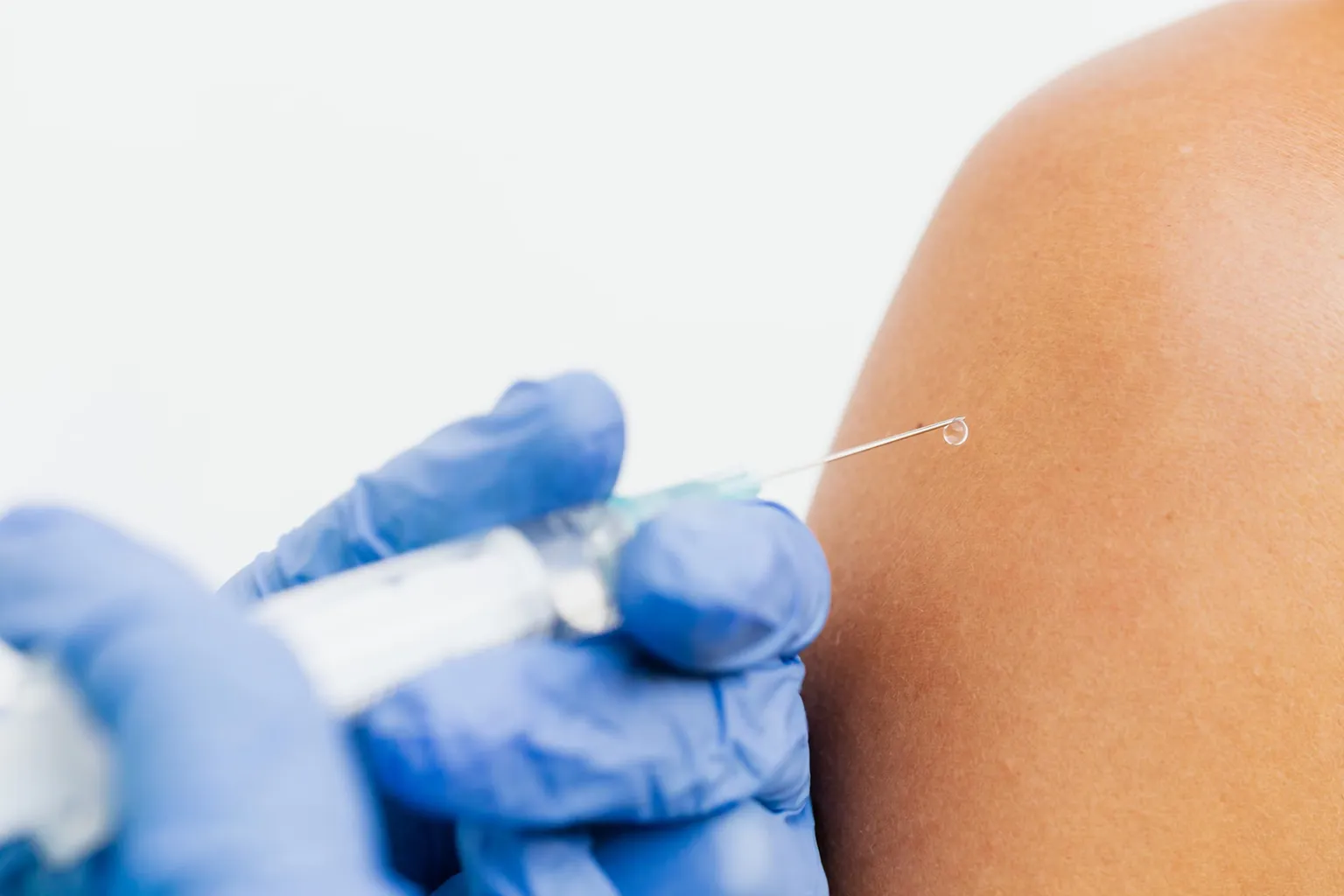
The transplant changes the immune system’s cellular and antibody memory, and many children must be managed as immunologically naive for routine immunization purposes, even when they completed an age-appropriate vaccine series before HSCT.
That is why the pediatric HSCT revaccination schedule timeline is built around immune recovery rather than the child’s chronological age alone. The clinical team must coordinate the transplant date, immune reconstitution, immunosuppressive treatment, graft-versus-host disease (GVHD), immunoglobulin replacement, and the safety profile of each vaccine. In practice, revaccination is not one appointment but a staged management pathway.
Post-transplant vaccination is a process of rebuilding protection alongside immune recovery—not simply repeating the old schedule.
The immunological reset after HSCT
HSCT replaces or substantially reshapes the hematopoietic and immune systems. The child may lose the functional benefit of pre-transplant immune memory, including memory generated by earlier vaccines. This does not mean that every antibody level immediately falls to zero, nor does it mean that the transplant has erased every aspect of prior immunity in exactly the same way for every patient. Clinically, however, pre-transplant vaccination should not be assumed to provide reliable long-term protection after HSCT.
For that reason, the post-transplant immunization schedule for children is generally planned as though the child needs to establish protection again. The decision is influenced by several connected elements:
- The type of transplant and the time elapsed since HSCT.
- Evidence that T-cell and B-cell populations are recovering.
- Whether the child still requires systemic immunosuppressive therapy.
- The presence or absence of active chronic GVHD.
- Whether immunoglobulin replacement is still needed.
- The vaccine platform: inactivated, recombinant, conjugate, or live attenuated.
- The child’s exposure environment, including school, siblings, and household contacts.
The central distinction is between non-live vaccines, which can often be introduced during the earlier recovery phase, and live attenuated vaccines, which require a much more cautious approach. A vaccine may be routine and well tolerated in an immunocompetent child but unsuitable while immune recovery remains incomplete.
This is also why a standard childhood vaccination calendar cannot simply be overlaid onto the transplant calendar. The relevant question is not only which vaccine is due, but whether the child’s immune system is ready to respond safely and meaningfully.
Early protection: when inactivated vaccines can begin
The first stage of revaccination focuses on vaccines that do not contain live replicating organisms. Inactivated influenza and COVID-19 vaccination may be considered as early as 3 to 6 months after HSCT, depending on the child’s clinical condition and the transplant center’s protocol.
The rationale is practical as well as immunological. Influenza and COVID-19 can cause significant illness in children whose immune defenses are still developing, and waiting for complete immune normalization may leave a prolonged period without an effective prevention strategy. At the same time, the response to vaccination may be weaker during early immune recovery, so the timing and interpretation of protection require specialist oversight.
The primary series of several routine pediatric vaccines typically begins around 6 months post-transplant. These commonly include:
- DTaP, with the pediatric formulation preferred for children undergoing HSCT revaccination.
- Haemophilus influenzae type b, or Hib.
- Hepatitis B.
- Inactivated poliovirus vaccine, or IPV.
- Pneumococcal conjugate vaccine.
For DTaP, the post-HSCT approach commonly uses a three-dose series, with minimum intervals of four weeks between doses. The exact appointment pattern may be adjusted around the child’s clinical status, intercurrent infections, blood counts, immunoglobulin use, and other treatments. A delay does not usually mean the series must be restarted; the treating team will determine how to continue from the last valid dose.
A practical view of the early timeline
| Time after HSCT | Vaccine focus | Clinical conditions guiding the decision |
|---|---|---|
| 3–6 months | Inactivated influenza and COVID-19 vaccines may be initiated | The child must be clinically stable enough for vaccination, with timing determined by the transplant team |
| Around 6 months | Primary revaccination series for DTaP, Hib, hepatitis B, IPV, and pneumococcal conjugate vaccine | Immune recovery and treatment status are reviewed before the series begins |
| During the following series | Repeated non-live doses according to the transplant protocol | DTaP is generally given as a three-dose pediatric series with at least four weeks between doses |
| Before live vaccines | Assessment of immune reconstitution, GVHD, immunosuppressive therapy, and immunoglobulin replacement | Live vaccination is deferred if safety conditions have not been met |
This table describes the architecture of a clinical pathway, not an individual prescription. Children recovering from HSCT do not all move through the stages at the same speed, and a transplant center may use a protocol that differs in dose spacing or laboratory monitoring.
Why the early response may not tell the whole story
A child can receive an inactivated vaccine on schedule and still have a limited immune response if B-cell or T-cell recovery is incomplete. The vaccine remains non-live, but the immune system may not yet be able to produce durable protection.
This is where the distinction between administration and effective immunization becomes clinically useful. Giving the dose is one step; determining whether the child has developed an adequate response may require later serological assessment, depending on the vaccine and the center’s protocol. There is no single universally accepted antibody threshold that defines complete protection for every vaccine and every post-HSCT patient.
We therefore avoid treating a vaccination card as the final measure of immunity. The record tells us what was administered. The broader clinical picture tells us how confidently we can interpret protection.
Immune reconstitution: the gate before routine revaccination
The pediatric HSCT vaccine guidelines used in clinical practice commonly refer to immune reconstitution thresholds before routine revaccination proceeds. Frequently used markers include:
- A CD4+ T-cell count above 200 cells/µL.
- A CD19+ B-cell count above 20 cells/µL.
- Independence from immunoglobulin replacement therapy.
These laboratory markers are not a substitute for clinical judgment. They are part of a larger assessment that asks whether the immune cascade has recovered sufficiently for vaccination to be both safe and potentially effective.
A child may have a reassuring cell count but still be receiving treatment that changes vaccine eligibility. Conversely, a child may be clinically well while laboratory recovery remains incomplete. The transplant team will interpret the results in context, rather than allowing a single number to determine the entire management pathway.
Immunoglobulin replacement introduces another layer. Intravenous immunoglobulin can contain antibodies that interfere with interpretation of certain vaccine responses, particularly when the team is trying to determine whether protection comes from the child’s own immune response. A commonly used interval is at least three months off IVIG before evaluating or administering certain vaccines, although the precise approach depends on the preparation, dose, vaccine, and clinical circumstances.
This is one reason families may see vaccination plans change after a laboratory review. A delayed dose is not necessarily a sign that the plan has failed. It may reflect a deliberate effort to vaccinate at a point when the child is more likely to respond and less likely to experience avoidable risk.
The clinical questions that usually shape eligibility
Before moving through the post-transplant immunization schedule, clinicians typically bring several questions together:
1. Has immune recovery reached a usable level?
CD4+ and CD19+ counts can help establish whether T-cell and B-cell compartments have recovered sufficiently for the planned vaccine stage.
2. Is immunosuppression still active?
Ongoing systemic immunosuppressive therapy can affect the safety of live vaccines and may alter the expected vaccine response.
3. Is chronic GVHD active?
Active chronic GVHD is a key reason to defer live attenuated vaccines and may also influence the timing of non-live vaccination.
4. Is the child still receiving immunoglobulin replacement?
IVIG can complicate assessment of vaccine-derived antibody responses and may require a waiting period before selected decisions are made.
5. Which infection creates the most immediate preventable risk?
Influenza, COVID-19, pneumococcal disease, pertussis, measles, varicella, and other infections do not carry identical consequences for an immunocompromised child. The clinical team prioritizes accordingly.
The result is a schedule with checkpoints rather than a single fixed date.
The safest vaccine timeline is the one that follows immune recovery milestones, not the one that looks most similar to the routine childhood calendar.
The 24-month milestone: live attenuated vaccines
Live attenuated vaccines require a separate level of caution because they contain weakened organisms capable of limited replication. In a child with adequate immune function, that replication is controlled. After HSCT, the same process may carry unacceptable risk if immune recovery is incomplete.
For this reason, live attenuated vaccines such as measles, mumps, and rubella (MMR) and varicella are generally reserved until at least 24 months after HSCT. Reaching 24 months is necessary but not sufficient. The child must also meet the relevant clinical conditions:
- No active chronic GVHD.
- Complete cessation of immunosuppressive therapy.
- A period of approximately 6 to 12 months off immunosuppressive treatment, depending on the clinical protocol.
- Adequate immune reconstitution.
- Appropriate serological status, including being seronegative when required for the live vaccine decision.
- No continuing dependence on immunoglobulin replacement that would interfere with evaluation or vaccine response.
The 24-month point should therefore be understood as the earliest standard milestone for consideration, not an automatic appointment date. If active GVHD persists, immunosuppressive therapy continues, or immune recovery remains inadequate, live vaccination must be deferred.
MMR and varicella are also not interchangeable decisions. Each vaccine is considered within the child’s immune status, infection exposure, antibody history, and local transplant protocol. The team may review serology and treatment history before deciding whether, when, and how to proceed.
Live vaccines that remain contraindicated or generally avoided
Some live attenuated vaccines remain unsuitable for post-HSCT patients even when families are reviewing routine childhood immunizations. These include:
- Bacille Calmette-Guérin, or BCG.
- Live attenuated intranasal influenza vaccine, known as LAIV.
- Oral polio vaccine, or OPV.
- Rotavirus vaccine.
- Oral typhoid vaccine.
The reason is not that these vaccines are inherently unsafe for every child. The concern is that a post-HSCT immune system may not control the attenuated organism in the expected manner, particularly during periods of immune deficiency.
This distinction matters when reviewing records from different countries or when a family is preparing for travel. A vaccine listed as routine in a national immunization program may not be appropriate for a child after HSCT. Travel vaccination requires the same transplant-specific review as the routine schedule.
Household and school protection are part of the child’s vaccine plan
A child’s risk is not confined to the clinic. Household members, siblings, classmates, and caregivers can introduce respiratory and vaccine-preventable infections into the home or school environment. The concept of herd immunity in schools becomes especially relevant when the child cannot yet receive a live vaccine or when vaccine responses are expected to be incomplete.
Family members should maintain their own routine immunizations under the guidance of their healthcare professionals. However, live vaccines in close contacts deserve a specific discussion. The live attenuated intranasal influenza vaccine, for example, may pose a concern because close contacts can shed vaccine virus, which may create a risk for a severely immunocompromised post-HSCT child.
That does not mean household contacts should independently stop or alter vaccination. It means the transplant team should be told about planned live vaccinations in close contacts so that the family can receive a tailored risk assessment.
School planning may also need to be more deliberate during the early post-transplant period. The child’s return to school, exposure to outbreaks, and contact with children who have fever, rash, respiratory symptoms, or gastrointestinal infection should be considered alongside the vaccination timeline. A school may have a strong immunization culture, but no level of community protection removes the need for individualized precautions while immune recovery is still underway.
Keeping the revaccination pathway clinically usable
The post-transplant vaccine schedule can become difficult to follow when appointments, laboratory results, immunosuppressive therapy, and infections interrupt the original plan. A practical record should include more than vaccine names. Families and clinical teams benefit from documenting:
- The HSCT date.
- The date and formulation of every post-transplant vaccine.
- Minimum intervals used between doses.
- Current and recent immunosuppressive therapies.
- The presence or history of chronic GVHD.
- CD4+ and CD19+ results when relevant.
- Dates of IVIG administration and the period since the last dose.
- Any serological testing performed after vaccination.
- Advice given regarding school, travel, and household contacts.
The child’s general pediatrician and transplant team should work from the same record. Duplicate doses and missed doses are both easier to avoid when the schedule is visible to everyone involved.
If an appointment is postponed because of fever, a new infection, a change in therapy, or an unexpected laboratory result, the next step is usually reassessment rather than abandoning the series. The revaccination plan is designed to be sequential, and the clinical team can decide how to resume it safely.
For families who want to understand how vaccine timing fits into the wider evidence base, a review of pediatric vaccine safety and immune response after transplantation can provide useful background, but it should not replace the transplant center’s individualized instructions.
Long-term outlook after pediatric HSCT revaccination
The purpose of childhood vaccines after bone marrow transplant is not merely to complete a list. It is to restore a functional layer of protection during a period when infection can disrupt recovery, prolong hospitalization, or reduce quality of life. Non-live vaccines often form the early foundation, while live attenuated vaccines remain a later decision governed by immune reconstitution and treatment status.
The most reliable approach is staged and collaborative:
1. Begin with the vaccines that can be considered during the early recovery phase, including inactivated influenza and COVID-19 vaccination when clinically appropriate.
2. Start the main inactivated pediatric series around the standard post-transplant window, commonly at six months, while reviewing immune recovery and treatment status.
3. Use the child’s clinical presentation, laboratory markers, GVHD status, and immunoglobulin therapy to interpret readiness and response.
4. Defer MMR and varicella until at least 24 months and only proceed when the child is off immunosuppressive therapy, free of active chronic GVHD, and adequately reconstituted.
5. Keep contraindicated live vaccines out of the routine post-HSCT plan and assess household exposures with the same care as the child’s own immunizations.
Over time, many children can move from intensive transplant follow-up toward a more familiar preventive care rhythm. The transition is safest when the vaccination record, immune monitoring, and infection-prevention plan remain connected. A carefully timed revaccination pathway can help protect not only against individual infections, but also against the repeated interruptions that make long-term recovery harder for children and their families.