Pediatric Clinical Trial Travel: Hidden Cost Pitfalls
When we discuss the barriers to pediatric clinical trial enrollment, the conversation often centers on eligibility criteria or the emotional weight of experimental therapy.
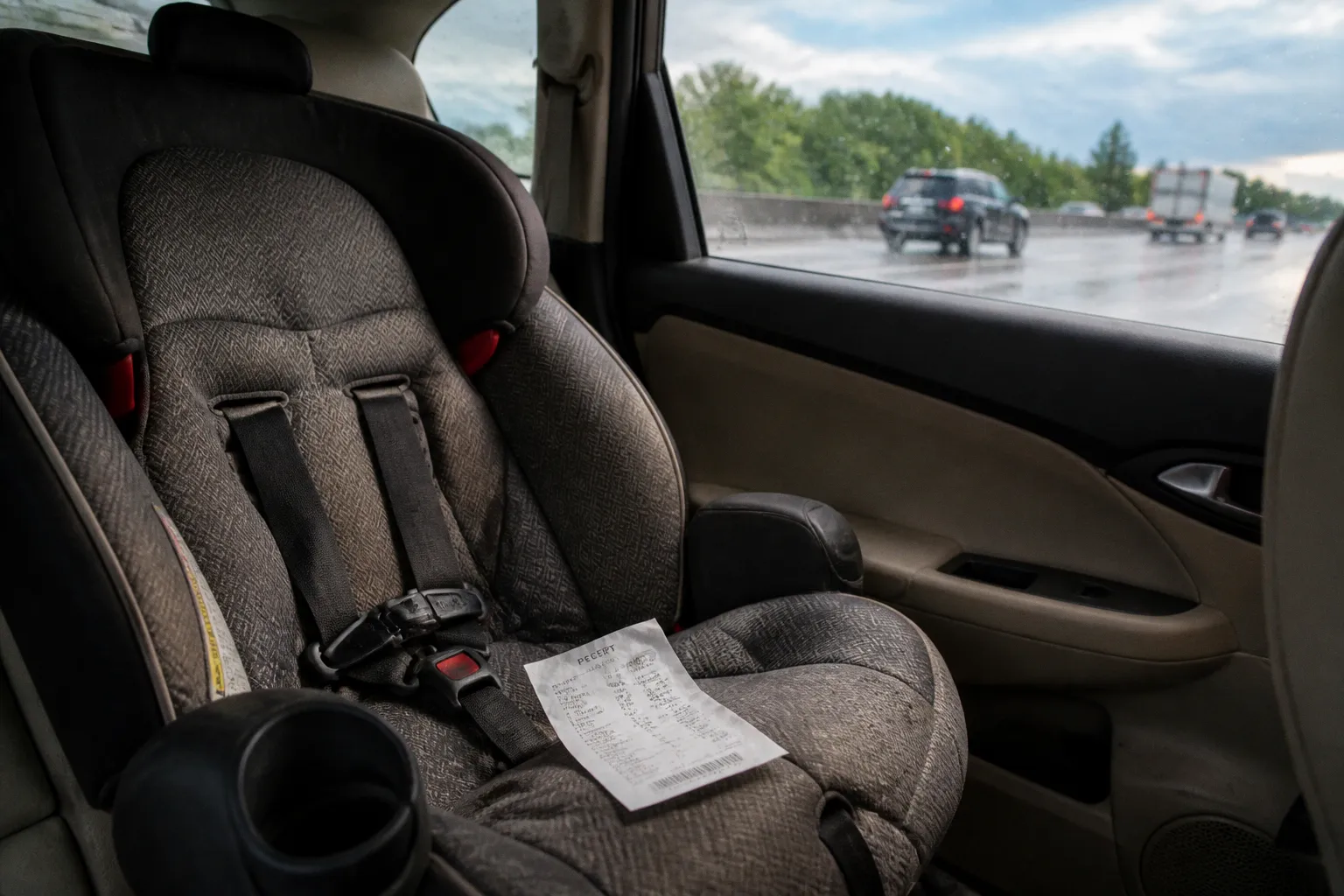
Pediatric Clinical Trial Travel: The Hidden Cost Pitfalls That Keep Families Home
Yet, a more tangible and pervasive obstacle quietly dissolves participation before it even begins: the logistical and financial labyrinth of simply getting to the trial site. The clinical presentation of this problem is stark—nearly two-thirds of patients and caregivers report that travel logistics and financial burdens stopped them from participating in a clinical trial. This isn't a minor inconvenience; it's a fundamental access issue that skews the data we rely on and leaves potential beneficiaries of cutting-edge immunotherapy on the sidelines.
For a child with a rare immunodeficiency, a CAR-T cell therapy trial or a novel biologic study may represent the most promising management pathway available. But the journey from diagnosis to infusion chair is paved with unanticipated expenses that reimbursement policies often fail to cover comprehensively. Understanding these hidden pitfalls is the first step toward navigating them, whether you are a family weighing a trial or a clinician advocating for your patient's access.
The Hidden Math of Participation: Why Travel Burdens Deter Enrollment
The decision to enroll a child in a clinical trial is a complex risk-benefit analysis. When we factor in the hidden math of travel, the scales can tip decisively away from participation. The financial burden is not hypothetical; it's quantified. In a study of primary caregivers of children with medical complexity, total out-of-pocket expenses averaged $8,639 CDN annually, driven significantly by travel to appointments, hospitalizations, and device costs. For families already managing the emotional and physical toll of a child's chronic condition, this represents a catastrophic financial strain.
The deterrent effect is profound. According to an American Cancer Society survey, 79% of patients indicated they would be more likely to join a clinical trial if financial support were provided. This statistic underscores a critical gap in our trial design: we meticulously plan the scientific protocol but often treat the participant's journey to the site as an afterthought. The result is a selection bias that favors families with the geographic and financial privilege to absorb these costs, potentially compromising the generalizability of our findings.
The most promising therapy in the world is inaccessible if the family cannot afford the gas money, the hotel stay, or the lost wages to get there.
Upfront Financial Strain: The Reality of Reimbursement Lag
A common misconception is that clinical trial sponsors cover all associated costs. The reality is a patchwork of reimbursement policies that often operate on a lag, creating a significant upfront cash flow problem for families. Many reimbursement models are post-visit: the family pays out-of-pocket for travel, lodging, and meals, then submits receipts for reimbursement weeks or months later. For a family living paycheck-to-paycheck, floating hundreds or thousands of dollars is simply not feasible.
This reimbursement lag is particularly acute for pediatric trials, where visits may be frequent and unpredictable. The financial planning becomes a high-stakes guessing game. Will the reimbursement check arrive before the credit card bill is due? What if a visit is rescheduled, and the non-refundable hotel booking is lost? This uncertainty transforms a hopeful medical opportunity into a source of profound financial anxiety, a stressor that directly impacts the family's quality of life and, by extension, the child's overall well-being during a vulnerable period.
The Caregiver Gap: Uncompensated Wages and Sibling Logistics
The financial pitfalls extend far beyond direct travel expenses. Two of the most significant and often overlooked burdens are lost wages and childcare for siblings. In pediatric trials, at least one parent or caregiver must accompany the child. This typically means taking unpaid leave from work, a sacrifice that reimbursement policies rarely acknowledge. Nearly half of patients in early-phase cancer clinical trials report spending over $1,000 per month out-of-pocket to participate, a figure that includes these uncompensated indirect expenses.
Furthermore, trial protocols and reimbursement policies can be rigid regarding who qualifies as an "accompanying caregiver." In pediatric rare disease trials, reimbursement policies limiting coverage to only one accompanying parent can create receipt and logistical difficulties for families. What happens when the primary caregiver is a single parent, or when the other parent needs to stay home to care for other children? The cost of securing alternative childcare for siblings during multi-day trial visits adds another layer of unbudgeted expense. This "caregiver gap" forces families into impossible choices between their child's potential treatment and the stability of the entire family unit.
Navigating Per Diem Limitations and Non-Medical Expense Gaps
To address meal costs, many trials offer a daily per diem, typically issued via reloadable cards to avoid post-visit receipt filing. While helpful, these per diems have their own limitations. Daily meal per diems in clinical trials typically range from $15.00 to $100.00 or more per person/per day. The lower end of this spectrum may be insufficient in major metropolitan areas where trial sites are often located, forcing families to supplement the per diem with their own funds.
Beyond meals, a host of non-medical expenses fall into a gray area. These include parking fees at the hospital, tolls, internet access at lodging for a parent trying to work remotely, or even the cost of specialized nutrition a child may require while away from home. These "nickel-and-dime" costs are rarely itemized in reimbursement guides but accumulate rapidly. The lack of a standardized, transparent policy for these incidental expenses leaves families guessing and often absorbing the cost themselves, further eroding the financial support meant to facilitate their participation.
We must shift our perspective: covering the cost of the drug is only half the equation; covering the cost of the journey to receive it is the other, equally critical half.
Advocacy for Equitable Access: Bridging the Support Divide
The evidence is clear: the current model of clinical trial travel support is insufficient and inequitable. Patients from disadvantaged neighborhoods travel up to three times farther for trial participation, compounding the financial burden with a temporal one. Bridging this support divide requires a multi-pronged advocacy effort from sponsors, institutions, and regulatory bodies.
First, we need a move toward proactive, upfront financial support. This could include prepaid travel and lodging arrangements, or the provision of reloadable debit cards with adequate funds at the start of a visit cycle, eliminating the reimbursement lag. Second, reimbursement policies must be modernized to explicitly cover lost wages for the primary caregiver and provide a childcare stipend for siblings. Third, sponsors should offer concierge-level travel assistance, partnering with services that handle booking and logistics, reducing the administrative burden on exhausted families.
Finally, transparency is non-negotiable. A clear, itemized list of all covered and non-covered expenses should be provided during the informed consent process, not discovered piecemeal after the first visit. By treating the logistical pathway with the same rigor as the clinical protocol, we can ensure that the children who stand to benefit most from our research are not excluded by a preventable financial barrier. The goal is not just to conduct trials, but to conduct them in a way that upholds the principles of justice and access for every family that walks through our doors.