Pediatric CAR-T Cell Therapy Pre-Treatment Checklist
The 2017 FDA approval of tisagenlecleucel for pediatric and young adult relapsed/refractory B-cell ALL was supposed to be the easy part.
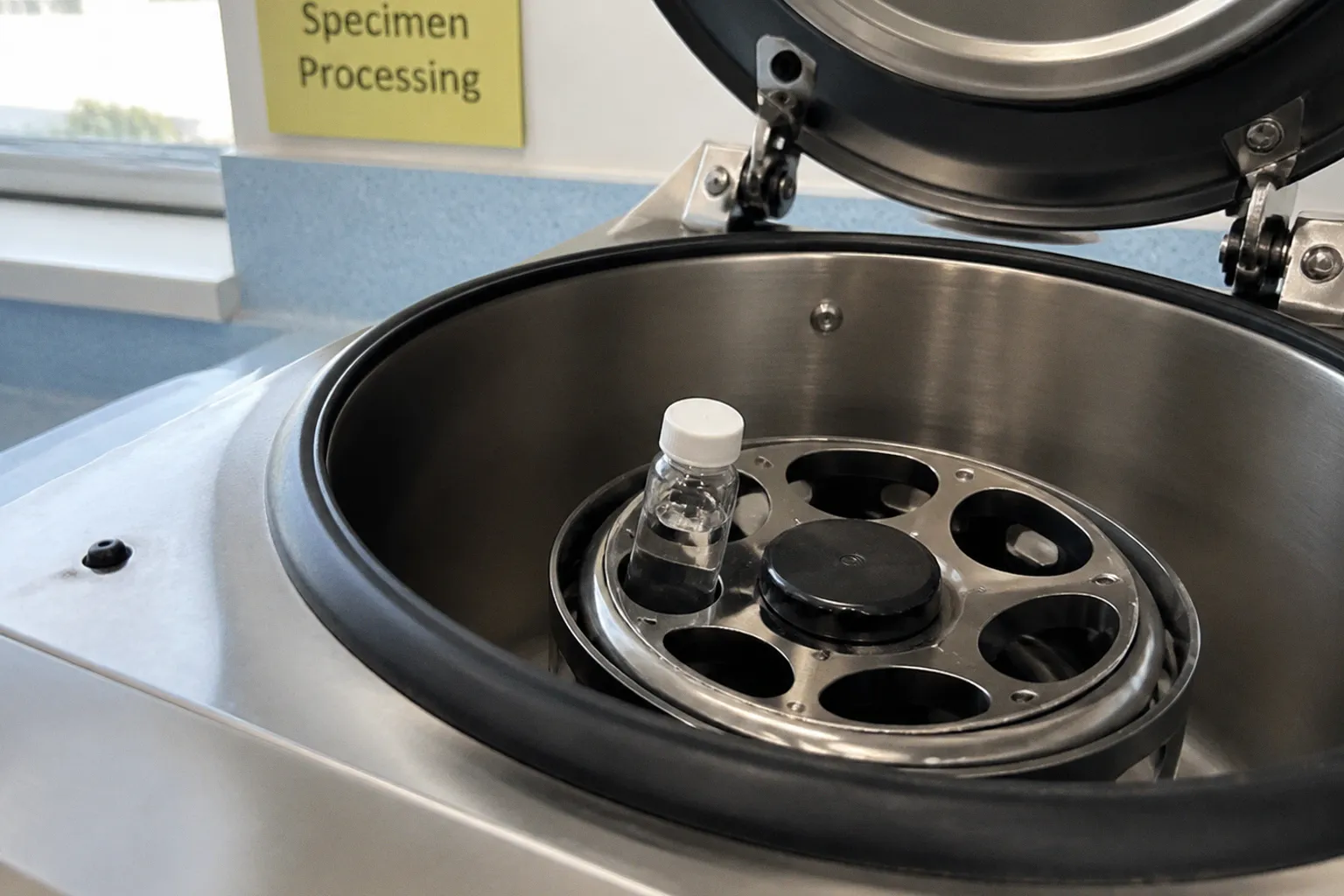
The hard part starts in clinic, where I sit across from parents who have already been through induction, consolidation, a transplant that may or may not have held, and now face a multi-week pre-treatment gauntlet that decides whether their child ever reaches infusion day.
In my experience running these cohorts, the bottleneck is almost never the CAR-T manufacturing itself. It is the pre-treatment clearance — a layered set of physiological, neurological, and immunological milestones that the FDA-approved label and PALISI/CARTOX guidelines lay out, but that real-world centers execute with uncomfortable variability. If you are navigating this with a child, you need to understand the steps, the timing, and the points where families get tripped up.
Baseline Physiological Clearance and Organ Function Assessment
Before a single T cell is collected, the treating team has to confirm the child can physically tolerate what comes next — and what comes next is lymphodepleting chemotherapy that is not gentle. Cardiac and renal baselines are non-negotiable.
The standard workup before leukapheresis includes:
- Echocardiogram (ECHO) and electrocardiogram (ECG) to establish cardiac baseline. Cyclophosphamide and fludarabine, the typical conditioning agents, carry cardiotoxicity risk. Reduced ejection fraction or significant arrhythmia history changes the risk calculus immediately.
- Renal function testing, including GFR or equivalent estimate — because fludarabine clearance is renal, and inadequate clearance means dose adjustment or, in some centers, disqualification from standard conditioning.
- Hepatic panel and coagulation studies — baseline liver function matters for both conditioning tolerance and for managing the cytokine release syndrome (CRS) and immune effector cell-associated neurotoxicity syndrome (ICANS) that may follow infusion.
In pediatric CAR-T, the organ clearance is not a formality. It is the single most common reason a child gets delayed between referral and apheresis — and delays compound, because disease does not wait for paperwork.
| Organ System | Standard Pre-Treatment Test | Clinical Rationale |
|---|---|---|
| Cardiac | ECHO + ECG | Conditioning cardiotoxicity risk; baseline for CRS cardiovascular strain |
| Renal | GFR, creatinine, BUN | Fludarabine clearance; hydration planning |
| Hepatic | AST/ALT, bilirubin, INR | Conditioning metabolism; coagulopathy risk during CRS |
| Pulmonary | Pulse oximetry, sometimes CXR | Reserve for potential respiratory toxicity |
| Hematologic | CBC with differential | Confirms adequate lymphocyte collection potential |
Universal pediatric GFR cutoffs vary between centers — this is one of those areas where the guideline gives you a principle, not a number. Ask the institution for its threshold.
Neurological Screening and CNS Disease Evaluation Protocols
If the cardiac baseline is the gate, the neurological workup is the minefield. CAR-T-related ICANS is the adverse event families are least prepared for, and the pre-treatment neuro exam is what tells you whether a child is walking into infusion at elevated risk.
The baseline CNS evaluation typically includes:
1. Brain MRI to rule out structural lesions, prior treatment effects, or active CNS disease.
2. Formal neurological examination documenting baseline cognitive and motor function. This becomes the comparison point if neurotoxicity develops.
3. Lumbar puncture with CSF cytology to evaluate for CNS leukemia involvement. Active CNS disease is not an automatic disqualification, but it changes the bridging and monitoring strategy substantially.
4. Developmental assessment for younger children, since age-appropriate neuro baselines are harder to standardize. In my experience, this is where centers are weakest — toddlers and infants do not give you clean baseline cognitive scores, and the team has to commit to a qualitative assessment instead.
What I push back on: the assumption that a child with prior CNS involvement can proceed identically to one without. The PALISI/CARTOX guidance is explicit that CNS disease status shifts the monitoring intensity, but it does not always change whether a child qualifies. Parents should be told the difference between "qualifies" and "qualifies without elevated neurotoxicity risk."
Managing the 100-Day Post-Transplant Threshold and Immunosuppression Washout
For the substantial subset of pediatric CAR-T candidates who previously underwent allogeneic hematopoietic stem cell transplantation (HSCT), there is a hard timing rule: a minimum interval of 100 days post-transplant without active rejection or graft-versus-host disease (GvHD) is typically required before CAR-T evaluation proceeds.
The reasoning is straightforward. Earlier than 100 days, the child is still in the window where engraftment is fragile, active GvHD is more likely, and residual immunosuppression for GvHD management may still be in effect. Lymphodepleting chemotherapy risks graft failure in a marginally engrafted child, and active systemic immunosuppression must be tapered and discontinued before T-cell collection. Active GvHD — particularly Grade II–IV — is a disqualifier for leukapheresis under current consensus guidelines.
This is where the rubber meets the road for second-line CAR-T candidates. The 100-day threshold is not arbitrary, but it is also not absolute. Centers with active protocols can sometimes evaluate earlier if the clinical picture demands it, particularly in patients with rapidly progressive disease. What is non-negotiable is that no center should be collecting T cells from a child with active GvHD or while they remain on active systemic immunosuppression for GvHD control. If your team is telling you otherwise, get a second opinion.
The 100-day post-HSCT rule is the most commonly misunderstood eligibility criterion in pediatric CAR-T. It is not a finish line you cross automatically — it is a minimum interval that begins the conversation, not ends it.
Bridging Therapy Strategies During the 3-4 Week Manufacturing Interval
Leukapheresis itself is a 4–6 hour outpatient session in most pediatric centers. The harder conversation is what happens during the 3 to 4 weeks between T-cell collection and product delivery.
During manufacturing, the child's underlying disease is not on pause. Bridging therapy — chemotherapy, corticosteroids, or, in selected cases, targeted agents — is used to control disease burden while the CAR-T product is being produced. The choice of bridging is where institutional variation is widest, and where the published literature is thinnest:
- Low-dose cytotoxic chemotherapy is common but not standardized across centers.
- Corticosteroids are effective but require careful washout and post-infusion consideration, since they can suppress CAR-T expansion.
- Targeted agents (for example, blinatumomab for CD19-positive disease, or inotuzumab in selected settings) are used selectively, with attention to T-cell fitness and collection quality.
What I tell families: the manufacturing interval is when the disease has the most leverage. If bridging fails, the child may never reach infusion — and this outcome is underreported in the upbeat trial summaries that focus on responders. Ask the team explicitly what the bridging plan is, what the criteria for proceeding to lymphodepletion are, and what happens if disease progresses during the wait.
Lymphodepleting Conditioning and Final Pre-Infusion Milestones
Approximately one week before infusion, the child enters lymphodepleting conditioning — typically fludarabine combined with cyclophosphamide, administered over 3 consecutive days. This is the body's preparation for receiving the CAR-T cells: clearing regulatory T-cell populations and homeostatic cytokine sinks so the engineered product can expand and persist.
The final pre-infusion milestones include:
- Re-confirmation of organ function — the same cardiac, renal, and hepatic baselines are often re-checked, since the child has now spent weeks in bridging and the conditioning team needs fresh numbers.
- Infection screening — any uncontrolled active infection is a contraindication, because the conditioning and subsequent cytopenia will amplify it.
- Product release confirmation — the CAR-T lot must meet release specifications, including viability, transduction efficiency, and sterility.
- Caregiver training for the post-infusion monitoring window, which in most centers extends up to 28 days of close hospital or specialist surveillance.
This is also when CRS and ICANS surveillance protocols are activated. The first 14 days post-infusion carry the densest toxicity risk; the 28-day window is conservative but reflects how unpredictable late-onset neurotoxicity has been in real-world cohorts outside the registration trials. Centers with mature pediatric programs have pediatric ICU capacity wired into the escalation pathway from day one. Centers without that infrastructure are managing risk they may not fully recognize.
The Verdict From the Trials Director's Chair
The pre-treatment checklist is where CAR-T outcomes are won or lost, and it is the part of the process that gets the least attention in patient-facing materials because it is unsexy. There is no viral moment in getting a GFR result back. But every step — the cardiac baseline, the CNS evaluation, the 100-day post-HSCT threshold, the bridging strategy, the lymphodepletion readiness check — is a filter that determines whether a child reaches infusion in a physiological state where the therapy has a fair chance to work.
If I had to give parents three things to push on with their treating team:
1. Ask for the institution-specific thresholds. GFR cutoffs, GvHD grading rules, immunosuppression washout durations. Guidelines are principles; the number that matters is the one your center actually uses. Universal pediatric GFR cutoff values across international CAR-T centers do not exist — the variance is real, and you should know where your team sits.
2. Ask for the bridging plan in writing. What drugs, what duration, what the discontinuation triggers are if disease progresses. The manufacturing interval is the most under-managed stretch of the entire pathway, and a verbal "we'll figure it out" is not a plan.
3. Ask who owns the 28-day post-infusion monitoring. Which specialists, what the escalation pathway looks like for suspected CRS or ICANS, and whether the center has pediatric ICU capacity for the highest-acuity events. CAR-T is not a drug you infuse and walk away from — it is a 4-to-6-week acute episode requiring a coordinated team.
The pediatric CAR-T field has matured enough that we can be honest about its pre-treatment requirements. The honest version is harder than the brochure, but it is the version that gets children to infusion day with a real chance at a durable response.