The Funding Gap Threatening the Future of Pediatric Medical Research
The Forbes piece, dated August 11, landed alongside a cluster of practical pediatric guidance updates that underscore exactly why the funding conversation matters right now.
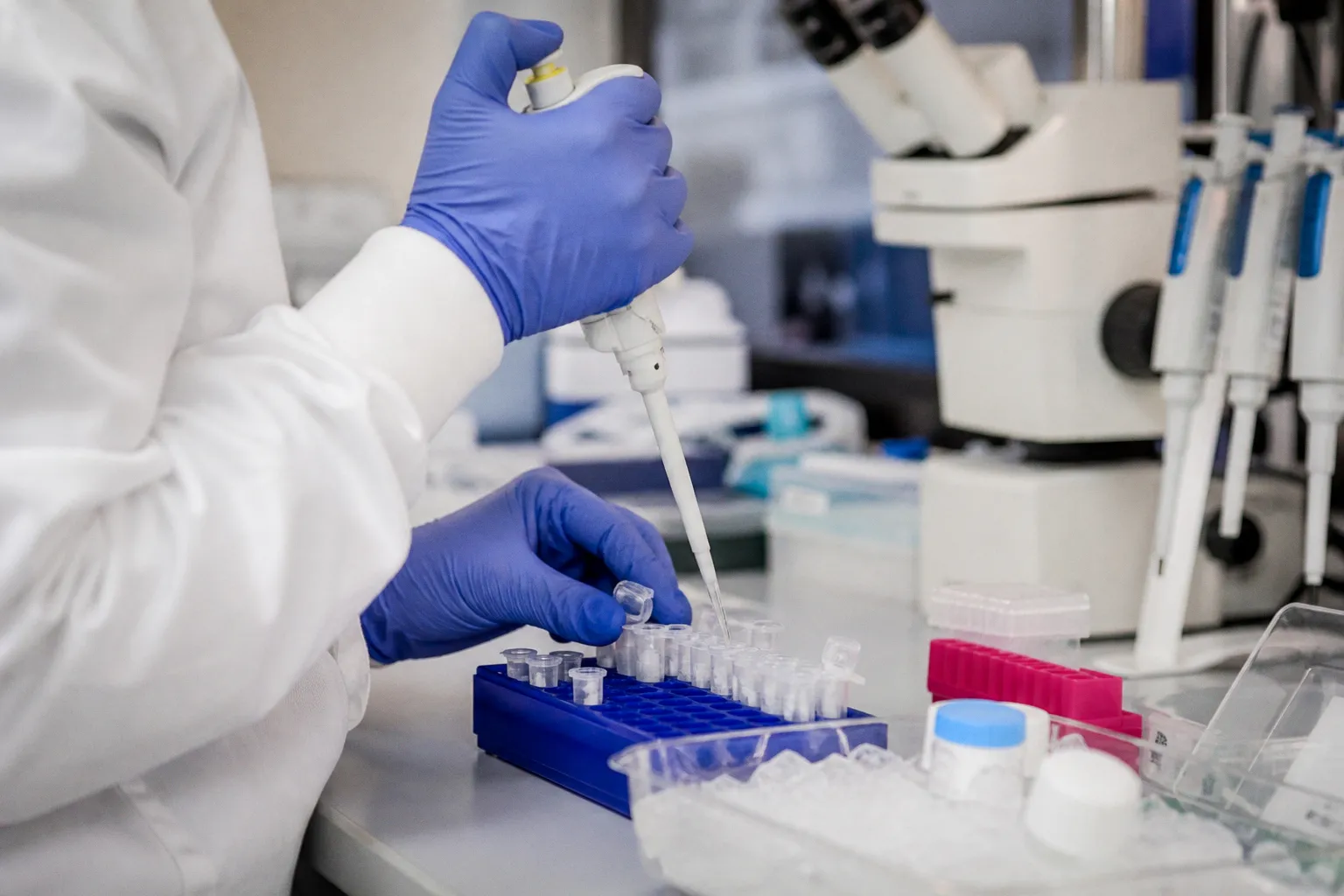
A Forbes headline this week lands hard: "Sick Kids, Stalled Science — America's Pediatric Health Funding Crisis." By the outlet's framing, the pipeline for pediatric research is hitting a serious funding wall, and the timing is brutal. In my experience running investigator-initiated cohorts, I've watched grant cycles stretch from 12 months to 24 and site activation timelines balloon. The Forbes piece, dated August 11, landed alongside a cluster of practical pediatric guidance updates that underscore exactly why the funding conversation matters right now.
The clinical guidance that actually moved
The American Academy of Pediatrics released its updated influenza vaccine recommendations for the 2026–2027 season, reaffirming universal vaccination for all children aged 6 months and older. That's not a headline — it's the baseline — but the reflex of annual re-endorsement is what keeps community immunity protocols alive when funding elsewhere wobbles. In my reading, the AAP statement carries weight precisely because it doesn't ask for anything new from families; it simply reminds clinicians what the standard of care actually is.
Separately, Dr. Lawrence Eichenfield walked through the American Academy of Dermatology's revised pediatric atopic dermatitis guidelines via HCPLive, with emphasis on prevention strategies and the systemic treatment pipeline. For families navigating modifiable risk factors — early skin barrier intervention, emollient protocols — this is the kind of guidance that changes daily practice. The systemic pipeline angle is what I'm watching: pediatric atopic dermatitis has been under-served for biologic options, and I'd want full trial readouts before calling the AAD's framing of upcoming therapies real progress rather than roadmap optimism.
On the access side, the Indiana Department of Health and IU School of Medicine announced a joint initiative to improve rural emergency obstetric and pediatric care. Rural access gaps are the unglamorous infrastructure story behind the funding-crisis narrative — you can run a perfectly designed trial, but if the nearest pediatric ER is 90 minutes away, the efficacy endpoint is meaningless for the cohort that needed it most.
What this means for pediatric care right now
From where I sit, the Forbes piece is a signal, not a policy document. The confirmed facts I can point to are the concurrent guidance updates, not the funding numbers themselves — I haven't seen the full Forbes text and won't speculate on dollar figures or specific agency allocations. What I can say: when research infrastructure contracts, the first things to slow are the long-horizon trials — the gene therapy vectors, the novel immunomodulators, the prevention-strategy cohorts that take a decade to mature. The flu recommendation and the atopic dermatitis guideline are both maintenance-level moves; necessary but not sufficient.
What I'd verify before making any clinical or enrollment decisions: whether your trial site has current funding confirmation through the next 12-month cycle, whether any planned protocol amendments are tied to grants that may be in flux, and whether the AAP and AAD updates contain anything that alters your local standard-of-care protocol. The Indiana rural-care initiative is worth tracking as a model for state-level infrastructure if national funding tightens further.
The honest verdict: the crisis framing is justified, but the immediate clinical floor hasn't dropped. The real risk is what doesn't get started in the next two funding cycles.