Dr. Wen-Yuan Hsieh Named Chief of Pediatric Allergy and Immunology at UT Southwestern
As reported by UT Southwestern Medical Center, physician-scientist Wen-Yuan "Elena" Hsieh, M.D., has been appointed Chief of the Division of Pediatric Allergy and Immunology, a move that brings a…
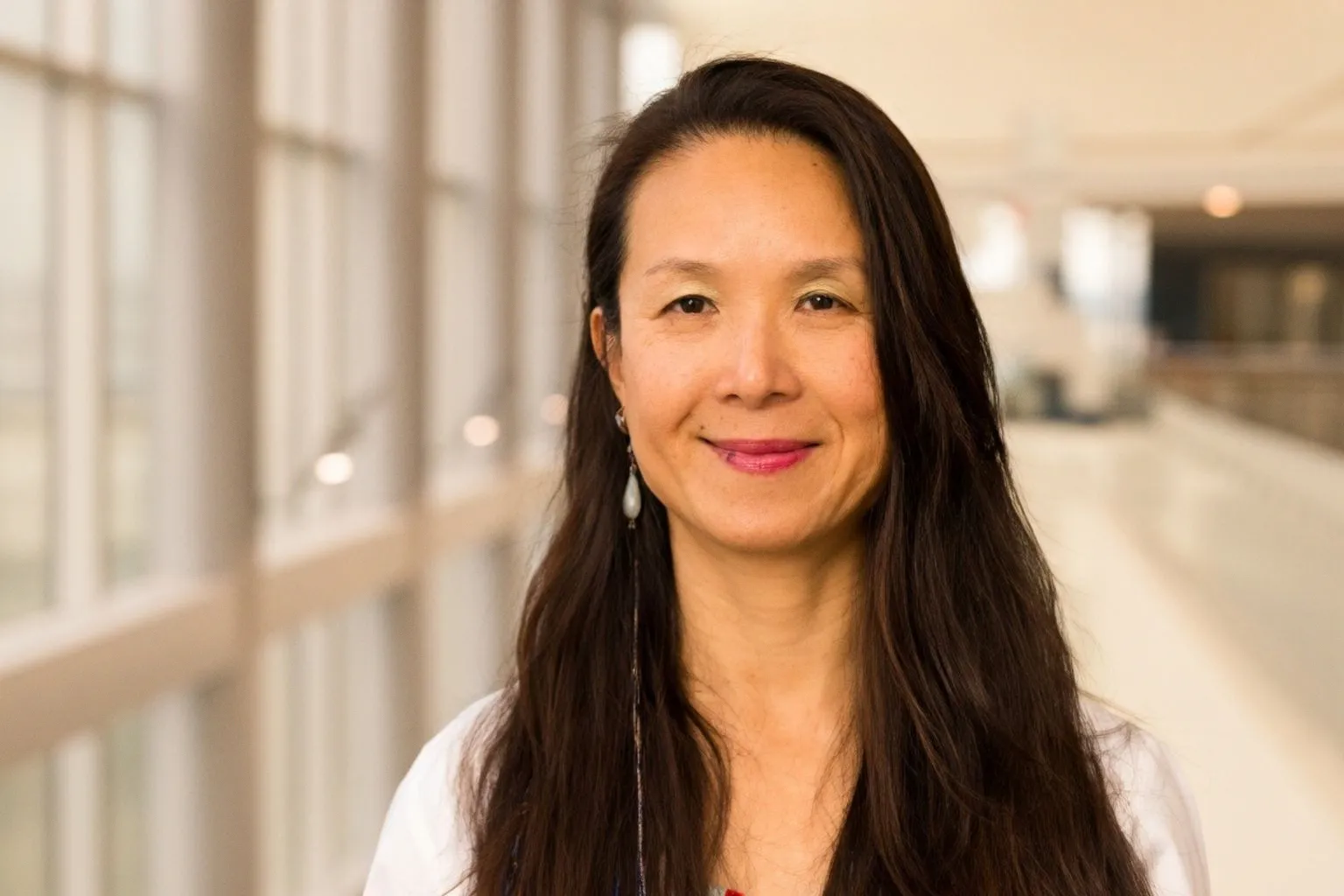
A New Lead for Pediatric Allergy and Immunology at UT Southwestern
As reported by UT Southwestern Medical Center, physician-scientist Wen-Yuan "Elena" Hsieh, M.D., has been appointed Chief of the Division of Pediatric Allergy and Immunology, a move that brings a clinician focused on inborn errors of immunity and immune dysregulation to one of the more visible leadership seats in U.S. pediatric immunology.
What the appointment signals for families we see in clinic
Dr. Hsieh's clinical and research portfolio centers on conditions we encounter across the full spectrum of severity, from monogenic inborn errors of immunity to more common chronic inflammatory diseases such as systemic lupus erythematosus (SLE) and inflammatory bowel disease (IBD). Her work has been continuously supported by the National Institutes of Health and major foundations including the Lupus Research Alliance and the Arthritis Foundation, which is worth noting because sustained extramural funding in pediatric allergy and immunology remains comparatively scarce.
She joined UT Southwestern in April as Associate Professor of Pediatrics, Immunology, Internal Medicine, and in the Eugene McDermott Center for Human Growth and Development. Previously, she held a similar associate professorship at the University of Colorado Anschutz School of Medicine, where she worked across Pediatrics, Immunology, and Microbiology. Her training path is the one many of us in the field recognize as the standard pipeline for a physician-scientist in our subspecialty: medical degree from the University of California, San Francisco, pediatrics residency at UCLA, and a pediatric allergy and immunology fellowship at Lucile Packard Children's Hospital at Stanford.
Why this matters for the management pathway
In her new role, Dr. Hsieh has stated a goal of helping transform UT Southwestern into a global leader in precision medicine for immune-mediated diseases. For us, that phrase translates into something concrete: a tighter loop between genetic and immunologic diagnosis, targeted therapeutic selection, and longitudinal disease monitoring. Her stated scientific throughline, bridging rare genetic disorders to more common conditions, is the same framework we apply clinically when a child with unusual infections or refractory inflammation turns out to sit somewhere on the continuum between a defined inborn error and a polygenic immune dysregulation syndrome.
This is also a useful moment to flag adjacent evidence that landed in the same news cycle. A study published in the World Journal of Pediatrics examined 64 children with childhood-onset SLE and identified expanded populations of double-negative B cells, age-associated B cells, and plasma cells compared with healthy controls. Notably, long-lived plasma cells remained elevated even during periods of low disease activity, a finding the authors suggest may have value for disease monitoring and relapse-risk assessment. That kind of biomarker work is precisely what we need to move beyond broad immunosuppression toward stratified management pathways, and it sits squarely within the translational lane Dr. Hsieh has been working in.
What to watch next
For families and referring clinicians, the practical questions are familiar: whether the division expands access to genetic and immunologic workup, how quickly new patients with suspected primary immunodeficiency can be seen, and whether research protocols in SLE and IBD open to pediatric enrollment. We will be watching for announcements on clinical program structure and any new precision-medicine initiatives coming out of the division under Dr. Hsieh's leadership.
For colleagues in the field, the appointment is a reminder that the pipeline producing dual-trained physician-scientists in pediatric allergy and immunology remains thin, and that division chief roles carry outsized influence on which research questions move from the bench to the bedside.