New ACR Initiative Aims to Improve Early Detection of Pediatric Rheumatic Conditions
According to the American College of Rheumatology (ACR), its 2026 Rheumatic Disease Awareness Month campaign, “Little Joints, Big Impact,” is aimed at helping caregivers and frontline clinicians…
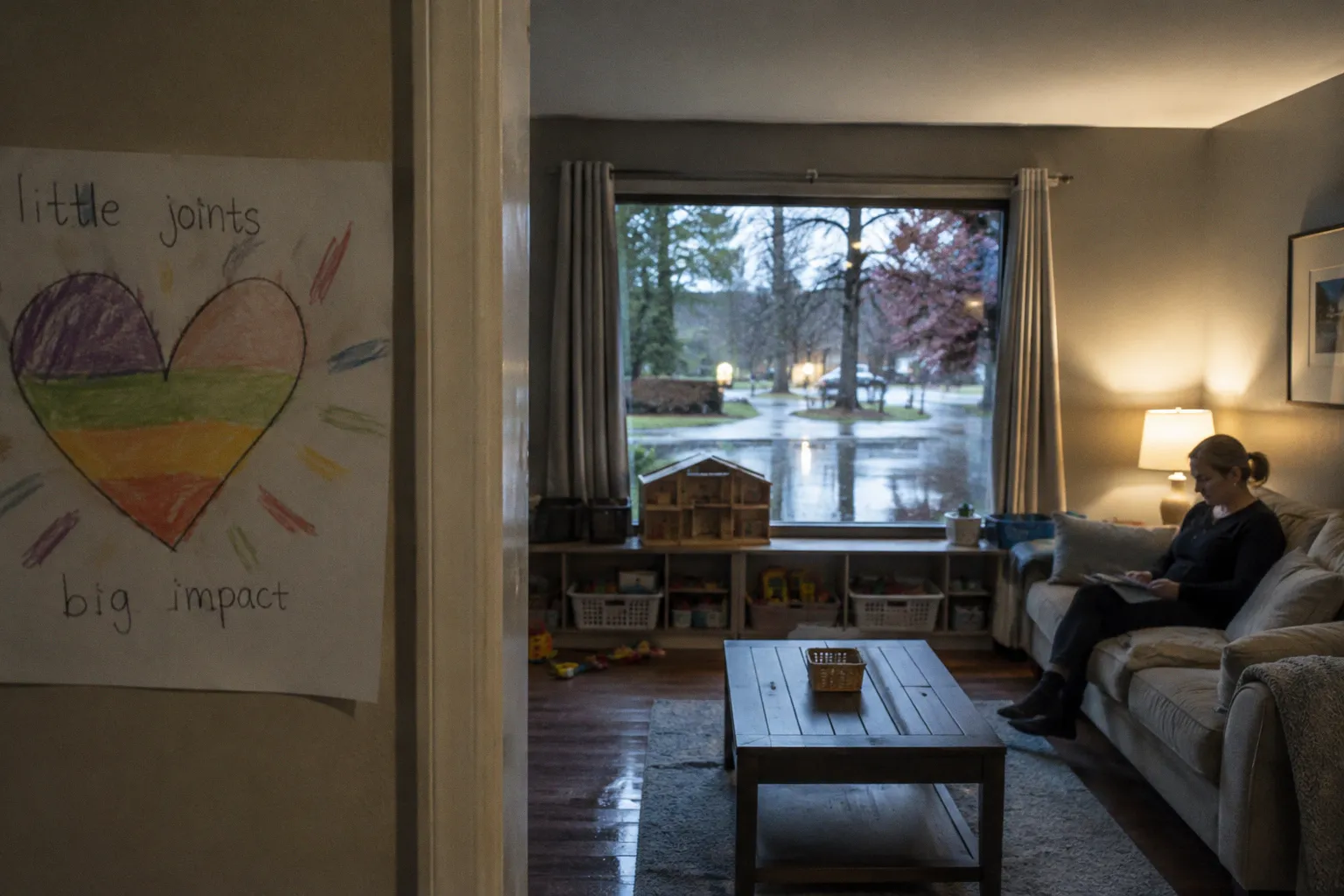
According to the American College of Rheumatology (ACR), its 2026 Rheumatic Disease Awareness Month campaign, “Little Joints, Big Impact,” is aimed at helping caregivers and frontline clinicians recognize early signs of pediatric rheumatic disease. The initiative matters because conditions such as juvenile idiopathic arthritis can begin gradually, while children may struggle to describe pain or stiffness clearly. But this is an awareness campaign—not a clinical trial, treatment approval, or substitute for a specialist assessment.
Earlier recognition is the point—not an instant diagnosis
The ACR says the campaign is designed for parents, caregivers, educators, and health professionals who may be among the first to notice concerning symptoms. Its stated focus includes pediatric rheumatic diseases such as juvenile idiopathic arthritis, systemic lupus, juvenile dermatomyositis, and vasculitis.
That list is clinically important, but it should not be treated as a diagnostic checklist. The evidence provided for the campaign does not specify a validated symptom threshold, referral timeline, laboratory test, or risk score. It also does not report a clinical endpoint showing that the campaign itself improves diagnosis rates or disease outcomes.
In my experience reviewing pediatric cohorts, this distinction is where public-health messaging often becomes overstated. Earlier evaluation may be valuable, but recognition of a possible symptom is not confirmation of immune-mediated disease. Families still need a structured clinical assessment, and clinicians must decide whether referral to pediatric rheumatology is appropriate.
The ACR specifically highlights the risk that symptoms may be mistaken for growing pains or may be described imprecisely by a child. That makes the quality of the clinical history particularly relevant. Before an appointment, families may find it useful to record what prompted concern and how the child describes the problem, without assuming that the record establishes a diagnosis. The campaign materials are intended to support that conversation, not replace it.
What the campaign actually provides
The ACR’s 2026 campaign toolkit includes free, shareable resources for organizations, caregivers, schools, and clinicians. The campaign also includes educational videos covering advances in pediatric rheumatology, the work of pediatric rheumatologists, and the wider care community supporting affected children and families.
For clinics and schools, the practical value is access to common educational material that can be shared across settings. For families, the more relevant question is whether the information helps them identify a reason to seek medical advice and communicate concerns clearly. The available evidence does not establish that the resources are sufficient for triage or that they can distinguish rheumatic disease from other causes of musculoskeletal symptoms.
The campaign also marks the 50th anniversary of the pediatric rheumatology specialty, according to the ACR. That anniversary provides context for the initiative, but it is not evidence of the campaign’s effectiveness, nor does it establish improved access to specialist care.
Keep the evidence categories separate
The same source cluster includes a report from Examine.com on a randomized triple-blind clinical trial of daily ginger powder supplementation in children and adolescents aged 6 to 16 with oligoarticular juvenile idiopathic arthritis. The review examined inflammatory markers and clinical disease response. However, the available evidence here does not provide results, effect sizes, adverse events, or statistical significance. It therefore cannot support a conclusion about ginger’s efficacy or safety in this cohort.
That separation matters. An awareness campaign, a supplement trial, a drug-development update, and a gene-therapy trial are different evidence categories with different regulatory hurdles and clinical endpoints. They should not be blended into a single narrative about progress in pediatric immune-mediated disease.
The sober takeaway is straightforward: the ACR campaign may help move concerns toward appropriate medical evaluation, but it does not establish a diagnosis or treatment plan. Families and clinics should use the materials as an entry point for discussion, then assess the actual clinical picture, the need for referral, and the evidence supporting any proposed intervention.