Ustekinumab Gains FDA Approval for Pediatric Ulcerative Colitis Treatment
The FDA approved ustekinumab (Stelara) on August 28 for moderately to severely active ulcerative colitis in pediatric patients aged two years and older — an expansion that finally puts an IL-12/IL-23…
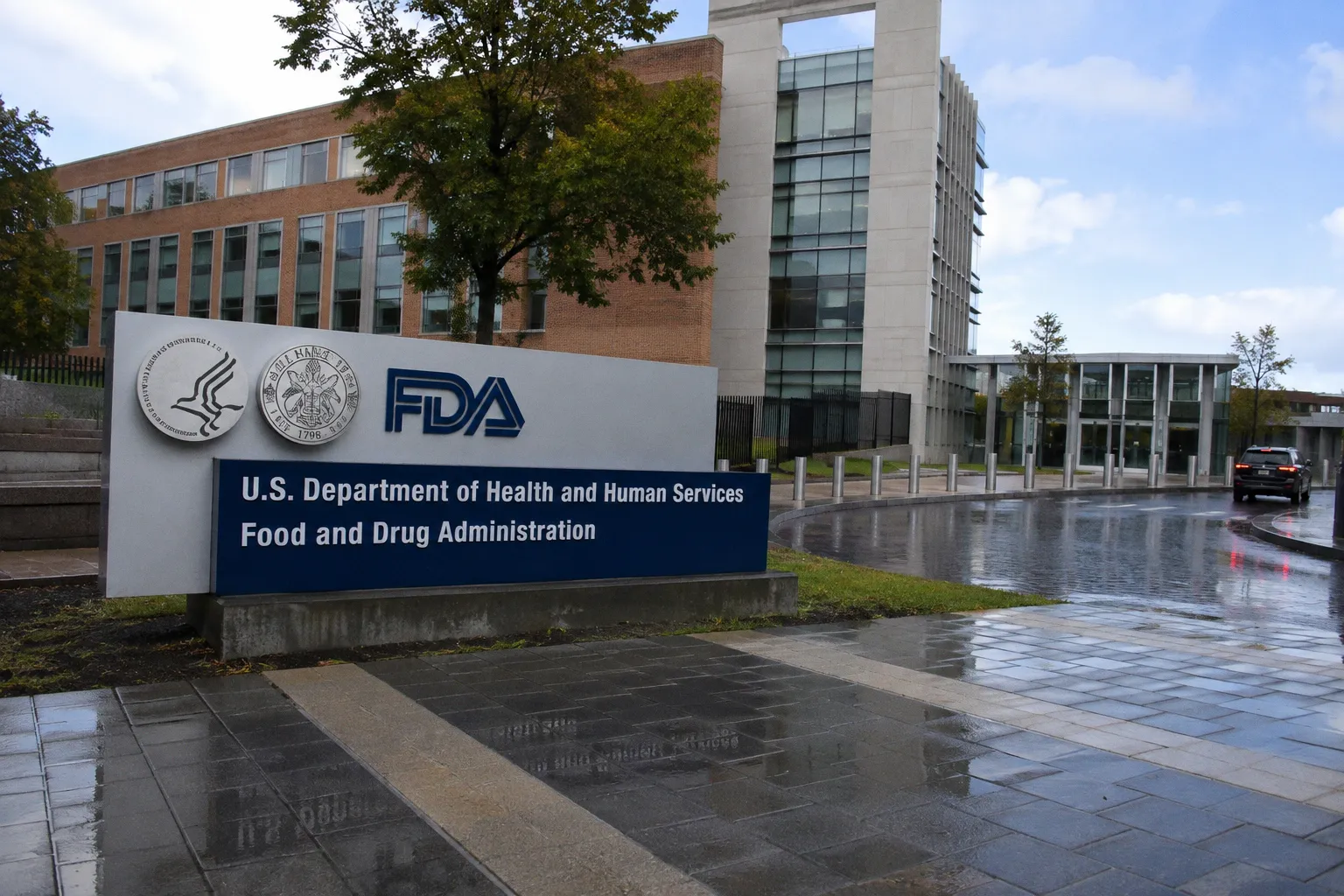
The FDA approved ustekinumab (Stelara) on August 28 for moderately to severely active ulcerative colitis in pediatric patients aged two years and older — an expansion that finally puts an IL-12/IL-23 pathway option on the table for the youngest cohort of IBD patients. As reported by the agency, the decision rests on pediatric pharmacokinetic and safety data combined with a 52-week study that enrolled 112 children with ulcerative colitis. A modest dataset, and one that demands careful scrutiny rather than celebration.
What the approval actually covers
Ustekinumab is now indicated for children two and up with moderate-to-severe disease activity, placing it alongside the existing biologic armamentarium for pediatric UC. In my experience running these cohorts, the addition of another mechanism of action matters less than how it performs against the efficacy endpoints clinicians actually care about: clinical remission, steroid-free remission, and mucosal healing. The agency references pediatric pharmacokinetic and safety data plus a 52-week study as the supporting evidence, but the public disclosure is thin for an investigator trying to benchmark this agent against current standards of care. Comparative efficacy data against anti-TNF agents — still the workhorse for pediatric UC — is not addressed in the announcement.
Why the evidence base deserves a closer read
A 52-week window across 112 children is sufficient to characterize reasonable safety and tolerability signals, but it is not the kind of dataset that resolves the harder clinical questions. I want to see the adverse event profile disaggregated by age subgroup, particularly for children under six, and a clear readout on immunogenicity over time. Pediatric UC patients frequently cycle through multiple biologics before achieving durable disease control, so post-anti-TNF performance is non-negotiable — and not addressed in the materials currently available. The Chosunbiz headline noting that Korean biosimilars are already positioning around Stelara as pediatric IBD use widens confirms what I expected: this market is about to get more crowded, which means cost pressure will rise alongside the need for vigilant post-marketing surveillance.
What to track from here
For pediatric immunology and IBD practices weighing this addition, three checkpoints matter. First, the full prescribing information once it publishes, including pediatric-specific adverse event tables. Second, the formal publication of the 52-week study with disaggregated efficacy endpoints and statistical significance for the primary outcomes. Third, real-world signals accumulating in adverse event reporting databases over the next 12 to 24 months. The approval is a regulatory milestone — it is not yet a verdict on real-world viability.