CGD prophylaxis: what to gather before starting therapy
When I sit down with a family after a fresh CGD diagnosis, the most common opening question is not "what is this disease." By the time they reach me, they've already absorbed a flood of information that left them more anxious than informed.
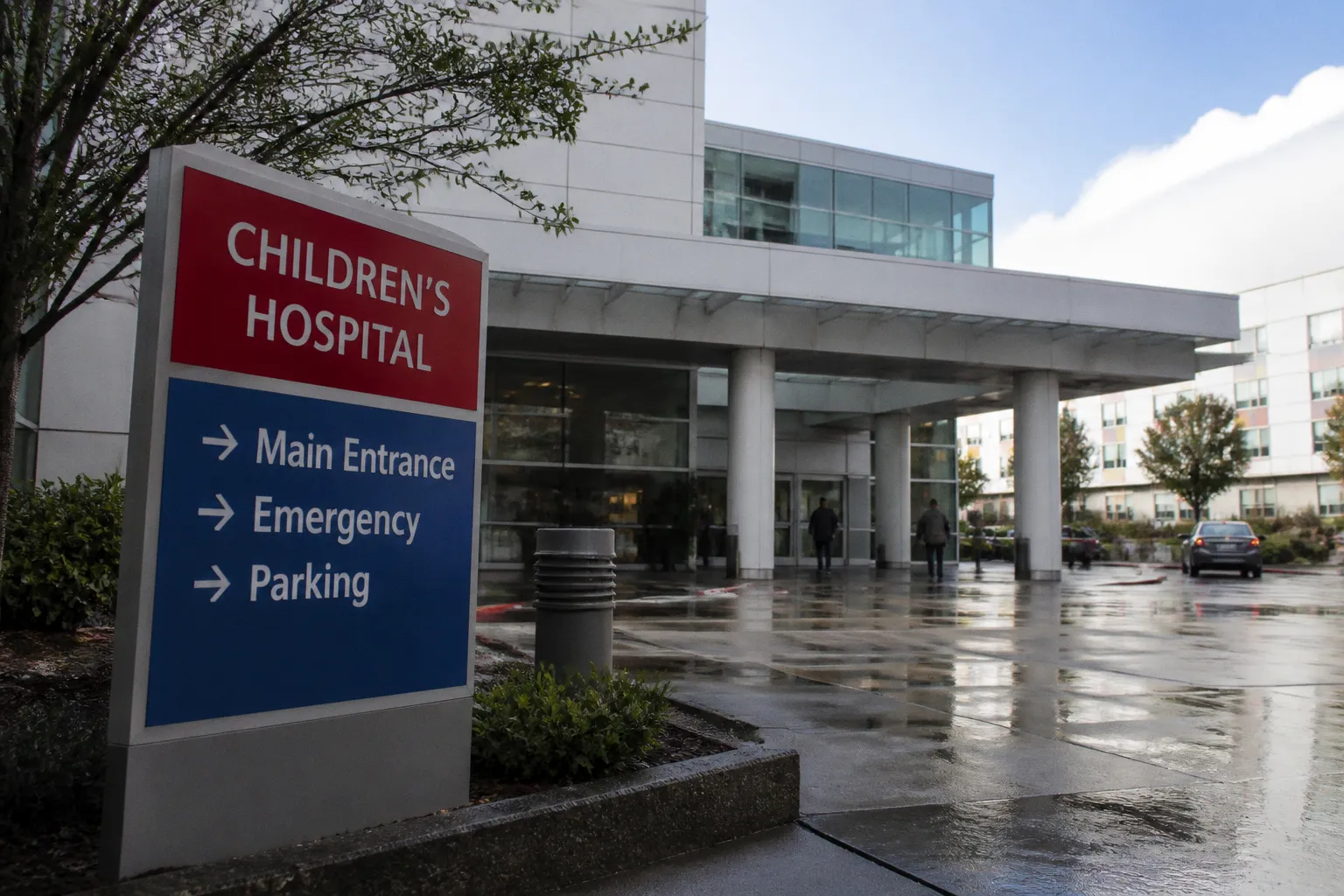
CGD prophylaxis: what to gather before therapy
The real question is, "What do we actually do this week?" That's the right question. A confirmed Chronic Granulomatous Disease label is not the end of clinical work — it's the trigger for a structured preparatory sequence that determines whether the prophylaxis we initiate the following Monday will actually protect that child or quietly fail under the weight of unaddressed variables.
I've watched prophylactic regimens collapse in real time for reasons that had nothing to do with pharmacology. Skipped G6PD testing, unrecognized hepatic loading, a child already colonized with Aspergillus before the first itraconazole dose — each of these is preventable. The checklist below is the one I walk through before signing the prescription. It is not glamorous. It is the work that lets everything else work.
Confirming the Diagnosis: Oxidative Burst and Genetic Subtyping
Before any antimicrobial prophylaxis is initiated, the diagnostic pathway needs to be airtight. CGD is defined by the inability of phagocytes to produce reactive oxygen species during the respiratory burst — but the word "CGD" on a chart is not a clinical action item until that functional defect has been measured and the genetic basis has been typed.
The functional workhorse remains the dihydrorhodamine-123 (DHR) flow cytometry assay, with the nitroblue tetrazolium (NBT) reduction test as a long-standing alternative where flow platforms are unavailable. DHR is the more informative test in my experience running these cohorts — it gives a continuous readout that distinguishes X-linked carriers from affected patients and helps identify residual oxidative capacity in milder variants. The NBT remains useful in resource-limited settings, but it is binary in a way that can mask partial defects and complicate carrier screening.
Genetic subtyping is the second non-negotiable. The four classical NADPH oxidase subunit mutations — CYBB encoding gp91phox, and the autosomal recessive forms in CYBA, NCF1, NCF2, NCF4 — each carry different inheritance patterns, residual function profiles, and, critically, different family planning implications. Beyond the classic subunits, contemporary panels now include loci such as CYBC1/EROS, which produce CGD-like phenotypes with subtler presentations. Treating "CGD" as a monolithic entity obscures the variability in severity and complicates prognostic discussions. I do not sign a prophylaxis plan against an untyped CGD.
Baseline Physiological Screening: What the Labs Need to Show
The question of what to draw before the first dose is where I see the most preventable errors. The standard primary prophylaxis — daily TMP-SMX and an antifungal triazole — looks deceptively simple on paper. But each drug has a baseline screening requirement that, if skipped, can convert a prophylactic plan into a hepatotoxic or hemolytic event.
The minimum laboratory set I require before any prescription is written:
- Complete Blood Count with differential and platelets. CGD can present with chronic neutrophilia, but the baseline numbers also flag cytopenias that would otherwise be misattributed to drug toxicity once prophylaxis begins.
- Renal panel — serum creatinine and potassium. TMP-SMX can cause hyperkalemia and a rise in creatinine, and starting without a baseline means there is no denominator when the first follow-up film lands.
- Hepatic panel — ALT, AST, GGT, bilirubin. Itraconazole is hepatotoxic enough on its own; pairing it with other hepatotoxic agents turns hepatic monitoring into a guessing game.
- G6PD activity. This is the step most often skipped in older adolescents and adults, but pediatric and family-medicine clinics still miss it. TMP-SMX is a sulfa drug, and although hemolysis risk is lower than with dapsone or primaquine, the consequence of being wrong is severe enough that I won't initiate sulfa prophylaxis without a documented G6PD status.
There's also a clinical — not laboratory — screening that must happen before the first dose: active infection rule-out. A child who is febrile, has a new lobar infiltrate on chest imaging, or has rising inflammatory markers needs a full therapeutic antimicrobial workup, not a prophylactic dose of TMP-SMX disguised as prevention. Prophylactic dosing is calibrated to keep a quiescent immune system from going off the rails; it is not a substitute for the high-dose therapeutic management of a documented infection. In my cohort reviews, the children who ended up with the longest hospitalizations were almost always the ones where prophylaxis was layered on top of an unrecognized active infection.
The Standard Prophylactic Regimen: TMP-SMX and Itraconazole Side by Side
The prophylactic regimen itself has not fundamentally changed in three decades, and that longevity is part of why I'm skeptical of newer combinations that promise marginal improvements. The two-drug backbone — daily oral TMP-SMX for bacterial coverage and an azole for fungal coverage — is the standard of care because it has accumulated the safety and efficacy data that newer regimens haven't yet matched.
TMP-SMX targets the catalase-positive organisms that exploit the CGD phagocyte's oxidative defect: Staphylococcus aureus, Serratia, Burkholderia, and Nocardia among the regulars. The pediatric dosing is typically 5 mg/kg/day of the trimethoprim component in two divided doses, but I'm explicit with families that the upper limit matters as much as the target — going significantly above the recommended range doesn't add protection and does add toxicity.
Itraconazole covers the fungal side, primarily against Aspergillus species, which is the single most lethal infection class in CGD. The standard pediatric dose is around 5 mg/kg/day, and crucially, it must be administered with an acidic vehicle (cola or orange juice) to ensure absorption. This is the kind of practical detail that gets lost in a discharge summary. I've reviewed enough cases where a child had breakthrough aspergillosis on a "correctly prescribed" itraconazole dose that wasn't being absorbed because the family was giving it with water after a meal.
A practical side-by-side reference for the prescribing clinician:
| Parameter | TMP-SMX | Itraconazole |
|---|---|---|
| Target organism class | Catalase-positive bacteria (S. aureus, Serratia, Nocardia, Burkholderia) | Aspergillus and other molds |
| Typical pediatric dose | ~5 mg/kg/day TMP component, divided BID | ~5 mg/kg/day with acidic beverage |
| Baseline screening | G6PD status, CBC, renal panel | CBC, LFTs, drug interaction review |
| Key monitoring | CBC, creatinine, potassium | Hepatic panel, trough serum level |
| Common failure mode | Subtherapeutic dosing or skipped doses | Malabsorption due to vehicle choice or drug interactions |
| Hemolysis risk in G6PD deficiency | Yes — contraindicated | No |
Posaconazole is sometimes mentioned as an alternative, particularly in older children, but the universal age cutoff for switching is not settled across the regional guidelines I've reviewed. That's a discussion to have individually, not a blanket substitution.
The two-drug prophylactic backbone has outlasted three decades of "promising alternatives" because the alternatives haven't yet produced the safety and efficacy data to displace it.
Therapeutic Drug Monitoring and Hepatic Safety: What to Actually Track
Once the regimen is running, the monitoring plan is what separates a working protocol from a slow-motion complications file. Itraconazole specifically requires therapeutic drug monitoring — the goal trough is generally >1.0 mcg/mL, and below that threshold the child is functionally unprotected against Aspergillus even though they're taking the medication. The literature has multiple breakpoint analyses showing that subtherapeutic itraconazole troughs correlate with breakthrough fungal infection at rates that should make any clinician uncomfortable.
Hepatic safety is the second recurring failure mode. Itraconazole-induced transaminitis is not rare, and the baseline LFTs cannot be assumed to hold steady once the drug is on board. I recheck ALT, AST, and GGT at roughly 4 weeks, then at 3 months, then every 6 months if stable. The rule I follow: any transaminase elevation more than three times the upper limit of normal pauses the azole and prompts a thorough review of the rest of the child's medication list. Drug interactions are the silent culprit here — itraconazole is a potent CYP3A4 inhibitor, and stacking it with certain antibiotics, antihistamines, or acid-suppressive medications can either raise itraconazole levels to toxic range or render it ineffective.
For TMP-SMX, the monitoring is less intensive but not absent. CBC every 3-6 months to catch the slow drift toward neutropenia or thrombocytopenia, renal panel to track potassium and creatinine, and a low threshold for rechecking G6PD-related parameters if there is any change in clinical status. Sulfa hypersensitivity reactions — which can manifest as rash, fever, and even TEN — are the other reason to keep the post-prescription follow-up tight, especially in the first two months.
What looks like a "simple" two-drug regimen is, in practice, a monitoring protocol that only works if the troughs and the LFTs are actually being checked.
Environmental Hygiene and the IFN-γ Question
The prophylaxis conversation is not complete without the environmental counseling, because pharmacologic protection has a ceiling that drops sharply when a child is repeatedly exposed to high fungal loads. The list of high-risk environments is specific: decaying leaves, garden mulch, potting soil, cellars, hay barns, and active construction sites. I tell families to treat these as occupational hazards for a CGD patient, not as ordinary outdoor scenery. A mask during gardening, no play in freshly disturbed soil, and a clear avoidance strategy for renovation work in the home.
Subcutaneous interferon-gamma (IFN-γ) is the most over-discussed and under-settled component of the modern CGD regimen. The original trial data showed a notable reduction in serious infections versus placebo, but more recent international cohorts have produced a more modest picture, and the universal-prescription stance has softened across guidelines. The honest framing for families: IFN-γ is an adjunctive immunomodulatory option, not a mandatory addition, and the decision should reflect individualized assessment of the residual NADPH oxidase function, infection history, family logistics, and cost. In X-linked CGD with no residual function and a history of severe infections, I lean toward inclusion. In autosomal recessive variants with measurable residual function and no breakthrough infections on dual antimicrobial prophylaxis, I more often omit it.
There is no data showing that IFN-γ replaces the antimicrobial backbone, and skipping TMP-SMX or itraconazole in favor of IFN-γ is a treatment error I have seen attempted in lay discussions online. The subcutaneous, three-times-weekly administration also adds a real compliance burden that doesn't make sense to take on unless the regimen is genuinely insufficient.
The Sober Verdict
The most important thing I can tell a family in the first week after a CGD diagnosis is that this is a manageable disease, but only if the preparatory sequence is taken seriously. The diagnostic confirmation, the baseline labs, the drug-drug interaction review, the trough-level monitoring, the environmental plan — these are not nice-to-haves. Each one is a layer of protection that the underlying immune defect cannot provide on its own.
What prophylaxis does not do is equally important. It does not cure CGD. The only curative option remains allogeneic hematopoietic stem cell transplantation, and gene therapy protocols are progressing but remain restricted to trial settings. It does not eliminate the need for environmental precautions, and it does not substitute for early therapeutic intervention when a child develops a fever or a new infiltrate. The families who do best are the ones who treat prophylaxis as a partnership — the medications, the labs, the lifestyle changes, and the clinical team all working in sequence.
If there is one thing I would want every clinician and family to take from this: the preparation is the therapy. The prescription is not the end of the work. It is the beginning of a structured regimen that requires the same discipline to maintain as it did to start.