Pediatric flow cytometry: checklist before your child's test
In my experience running pediatric immunology cohorts, the difference between a clean flow cytometry readout and a clinically useless one usually comes down to pre-analytical variables — not the lab's instrumentation or the antibody panel.
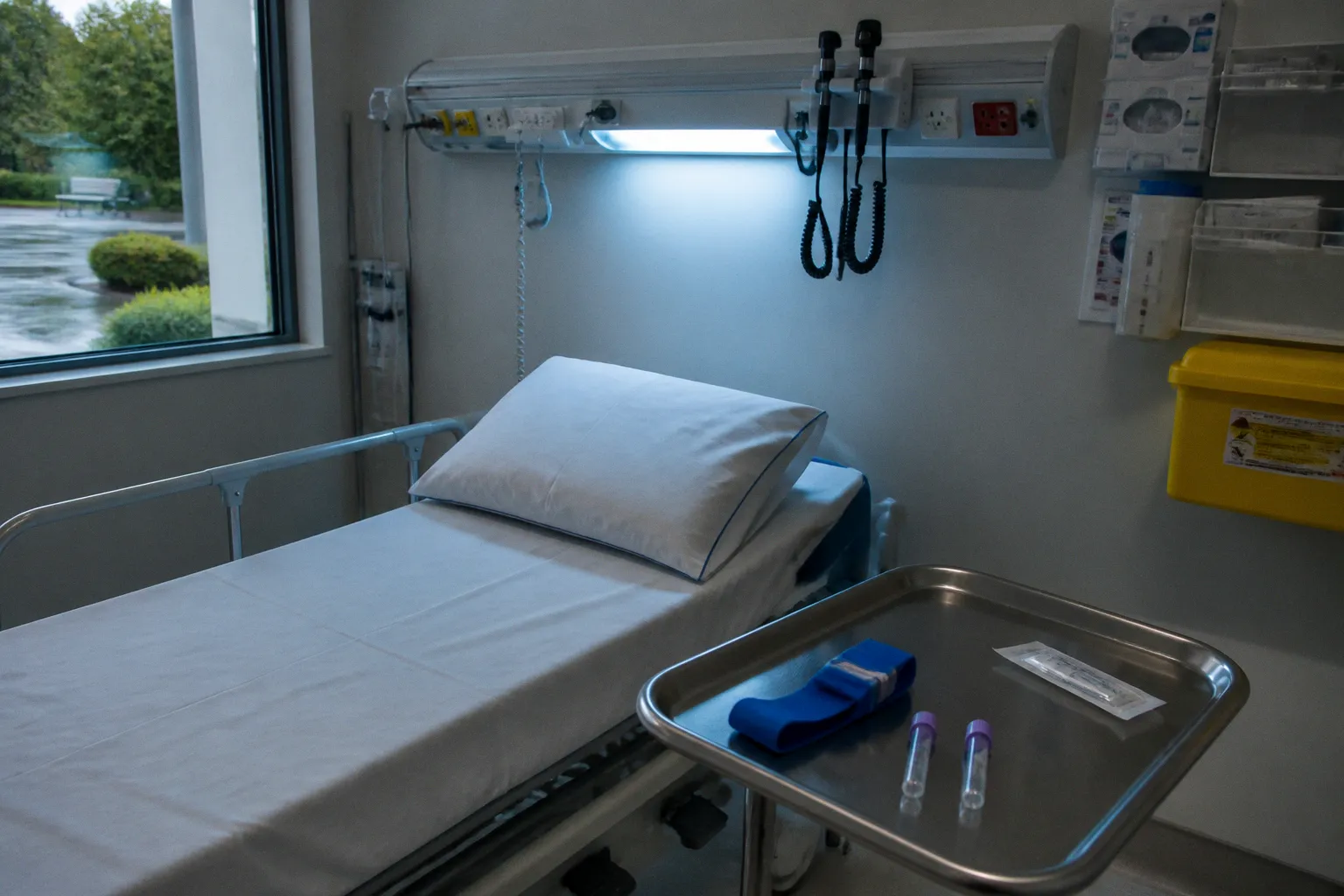
Most ordering physicians hand families a vague instruction sheet and assume the phlebotomist will handle the rest. That assumption costs us data. Live cells are fragile, transport windows are tight, and a single temperature excursion can render an immunophenotyping panel uninterpretable. If you are preparing a child for flow cytometry, this is the audit checklist I would actually run through — not the generic hospital pamphlet version.
The two scenarios you need to separate immediately are peripheral blood draws and bone marrow aspirates. They have almost nothing in common from a preparation standpoint, and conflating them is the single biggest source of family confusion I have observed.
Peripheral blood vs. bone marrow: what's actually required
For a standard peripheral blood flow cytometry — the panel most commonly ordered to evaluate suspected T-cell, B-cell, or NK-cell deficiencies, lymphocyte subsets, or post-transplant immune reconstitution — no fasting is required. This surprises parents who assume all blood work demands an empty stomach. It does not. EDTA-based flow panels are not glucose-sensitive, and the assays measure surface markers, not metabolic analytes.
The actual requirements for peripheral blood are mechanical, not dietary:
- Minimum volume: 2 mL of whole blood, collected in a lavender-top (K2- or K3-EDTA) tube, or two BD Microtainer tubes for smaller pediatric patients where venous access is limited.
- Tube type: Lavender-top is preferred. Yellow-top (ACD-A or ACD-B) is an acceptable alternative but changes your processing window.
- Hydration: Encouraged, not optional. A well-hydrated child has palpable veins, faster draw time, and lower risk of hemolysis — which directly affects scatter gate quality on the cytometer.
A 2 mL lavender-top is not a lot of blood, but it is a lot of cells if the draw is clean. Hemolysis, clotting, and under-filling are the three failure modes I see in pediatric specimens.
Bone marrow flow cytometry is an entirely different logistical animal. If your child is scheduled for a bone marrow aspirate with concurrent flow studies, fasting is mandatory. The exact duration is set by the anesthesiology team running the sedation, not by the flow lab, and it depends on whether the institution uses conscious sedation or general anesthesia. These are anesthesia-protocol parameters, not flow cytometry parameters. Confirm the cutoff with the pre-op team.
For the marrow specimen itself: 1 to 2 mL of the first-pull sample goes into a green-top (sodium heparin) tube, transported at room temperature, and processed within 12 hours.
Hydration: the intervention with the best risk-benefit ratio
I push back on families who over-medicalize pediatric blood draws. You do not need elaborate pre-procedural rituals, and you do not need a specialized pediatric phlebotomy center for a routine panel. What you need is water.
The day before the draw, push fluids — water, not juice or sports drinks. Adequate hydration expands intravascular volume, raises venous pressure, and makes the veins easier to palpate in small arms. In the cohorts I have reviewed, the difference between a successful first-stick attempt and a three-attempt ordeal was almost always hydration status, not phlebotomy technique.
The morning of the draw, continue clear fluids up until the cutoff set by the phlebotomy team or pre-op instructions. The phlebotomist will thank you, your child will tolerate the tourniquet better, and the sample quality will reflect it.
Hydration is the cheapest intervention in pediatric phlebotomy. It is also the one parents most often skip.
The CBC is not optional, and the timing matters
This is the point where clinical correlation actually breaks down in real-world practice. Flow cytometry reports absolute counts — CD3+ T cells per microliter, CD19+ B cells per microliter, CD56+ NK cells per microliter. To calculate those absolute numbers, the lab needs the total white blood cell count and the lymphocyte percentage from a concurrent CBC with automated differential.
The rules are non-negotiable:
- The CBC must be drawn within 8 hours of the flow cytometry sample — either at the same venipuncture or as a separate specimen within that window.
- If the CBC is drawn at a different time or facility, it must be from the same patient, the same day, and the lab must be able to verify both timestamps.
- Without a concurrent CBC, the lab can only report percentage data, which is clinically insufficient for diagnosing lymphopenia, evaluating absolute CD4 counts, or tracking post-transplant immune reconstitution. You will get a number, but not a number you can act on.
In my own cohort reviews, I have rejected flow data outright when the CBC was drawn 14 or 20 hours apart from the immunophenotyping tube. The lymphocyte compartment shifts too quickly in acute illness, post-vaccination, or during active infection for percentage-based interpretation to be reliable.
Sample integrity: temperature, transport, and the processing clock
Live cells die. That is the entire pre-analytical problem with flow cytometry in a nutshell. Unlike a chemistry panel, where a refrigerated tube is more stable than a room-temperature one, flow samples are less stable when cold. Refrigeration or icing damages cell membranes, kills lymphocytes preferentially, and produces a sample that under-represents the very populations you are trying to measure.
The transport rules:
| Specimen type | Tube | Temperature | Processing window |
|---|---|---|---|
| Peripheral blood | Lavender-top (EDTA) | Room temperature (18–25°C) | Within 48 hours |
| Peripheral blood | Yellow-top (ACD-A or B) | Room temperature | Within 72 hours |
| Bone marrow aspirate | Green-top (sodium heparin) | Room temperature | Within 12 hours |
These windows are not arbitrary. They reflect the decay kinetics of surface marker integrity under each anticoagulant condition. EDTA preserves morphology well but accelerates some marker loss; ACD gives you more time but slightly different scatter properties; heparin is required for marrow because EDTA chelates calcium in ways that interfere with certain viability dyes.
If your draw site is sending the sample to a reference lab, confirm that the courier is using an insulated ambient shipper — not a refrigerated one, not a frozen one. I have personally watched a courier place lavender-top tubes on ice packs because "all blood tubes go on ice," and the resulting immunophenotyping was unreportable.
Medications, anesthesia, and what to clarify with the ordering team
There is no universal list of medications that must be paused before pediatric flow cytometry. The interactions are panel-specific and patient-specific. Corticosteroids, for instance, will suppress lymphocyte counts and skew the readout if given within 24–48 hours of the draw — but stopping a steroid course for a diagnostic test is a clinical decision, not a lab decision. Discuss this with the ordering physician, not the phlebotomist.
For bone marrow procedures under sedation, the more relevant questions are about pre-op clearance:
- NPO duration for solids and clear liquids (set by anesthesia, not the lab)
- Which home medications can be taken with a sip of water the morning of the procedure
- Whether recent illness — URI within two weeks, febrile episode, recent live vaccination — requires rescheduling
The lab does not decide whether your child is safe for anesthesia. The lab only tells you whether the sample made it back alive.
The verdict
Pediatric flow cytometry preparation is not complicated, but it is unforgiving of shortcuts. Skip the fasting for a peripheral draw and nothing happens. Refrigerate the tube and the entire panel becomes wasted effort. Draw the CBC twelve hours apart from the flow tube and you have paid for absolute counts you will never receive. The pre-analytical checklist is short — hydration, correct tube, room-temperature transport, concurrent CBC within eight hours, and a confirmed fasting window if anesthesia is involved — but every item is a hard requirement, not a suggestion.
In the absence of a concurrent CBC, the flow lab should not be issuing an absolute-count report. If your child's report arrives with only percentages and no linked differential, that is a quality signal worth raising with the ordering physician before any clinical decision is made on the result.