Strengthening Pediatric Care: Egypt Trains Specialists to Identify Primary Immunodeficiencies
According to the World Health Organization Regional Office for the Eastern Mediterranean, Egypt's Ministry of Health and Population, with support from WHO Egypt, recently concluded a three-day…
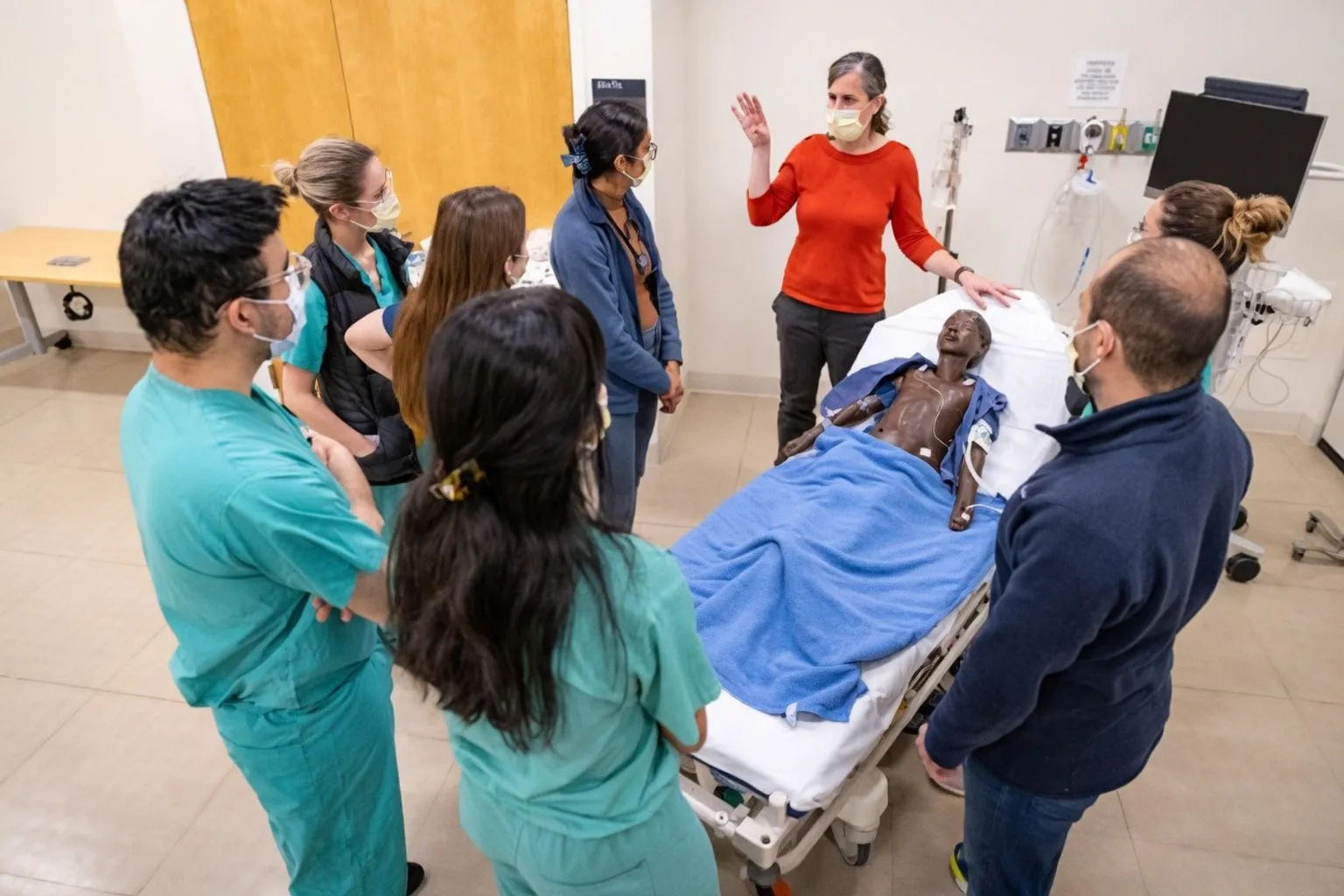
Egypt's University Hospitals Step Up Immunodeficiency Surveillance
According to the World Health Organization Regional Office for the Eastern Mediterranean, Egypt's Ministry of Health and Population, with support from WHO Egypt, recently concluded a three-day workshop that brought together 70 paediatricians, immunologists and surveillance officers from 12 university hospital sentinel sites — a development that directly addresses one of the most persistent gaps in how we identify children living with primary immunodeficiency disorders at the population level.
For those of us who manage paediatric immunodeficiency in clinical practice, the significance is clear: when academic immunology clinics are formally linked to national surveillance networks, the children who have historically slipped through diagnostic cracks — presenting with recurrent or severe infections that are simply attributed to "frequent childhood illness" — stand a much better chance of being captured early.
Why Surveillance Integration Matters for PID
The workshop's clinical focus centred on two conditions: primary immunodeficiency disorders and congenital rubella syndrome. Both represent scenarios where delayed recognition carries compounding consequences, but for somewhat different reasons.
In the case of primary immunodeficiencies, the surveillance concern extends beyond individual patient outcomes. As the WHO report highlights, children with significant immunodeficiency may shed poliovirus for longer periods, making early identification and sustained follow-up an essential component of polio eradication efforts. This is a point we sometimes underappreciate in the clinic — that a child's undiagnosed immune deficiency doesn't just affect that child's quality of life; it has implications for broader public health strategies, particularly in regions where vaccine-preventable diseases remain an active threat.
The training covered specimen collection and management, surveillance data recording and reporting, and the practical coordination between university hospitals and MOHP surveillance teams — the kind of operational infrastructure that determines whether a diagnostic suspicion in the clinic actually translates into a reported, investigated and tracked case.
A Broader Shift Toward Structured Detection
What makes this initiative noteworthy from a management pathway perspective is the deliberate effort to move paediatric immunology out of the purely consultative setting and into the surveillance framework. University hospitals, with their specialised immunology services, are uniquely positioned to catch the clinical presentations that general paediatric wards may not recognise — the child with atypical mycobacterial infections, the infant with persistent oral candidiasis, the recurrent sinopulmonary infections that respond poorly to standard antibiotic courses.
We should also note that this effort was funded through the Pandemic Fund, underscoring how pandemic preparedness strategies increasingly recognise the role of immunocompromised populations in disease dynamics, not just as vulnerable individuals but as nodes in transmission networks.
For families navigating a new diagnosis, this kind of infrastructure investment is encouraging. When surveillance systems are designed to catch immunodeficiency early, the window for intervention — whether that means immunoglobulin replacement therapy, stem cell transplantation evaluation, or targeted infection prophylaxis — widens considerably. And as we know from long-term outcome data, early identification in paediatric primary immunodeficiency is one of the strongest predictors of favourable prognosis and preserved quality of life.
The 12 university hospital sentinel sites involved in this programme now carry a dual responsibility: identifying affected children and feeding that clinical intelligence back into the national system. If executed well, this model offers a replicable blueprint for other countries in the region where PID prevalence is likely underestimated.