Scaling Precision Oncology: The National Expansion of Australia’s Zero Childhood Cancer Program
As reported by Oncodaily, the Children's Cancer Institute is widening the reach of its flagship Zero Childhood Cancer Program (ZERO) — extending access to every Australian child diagnosed with cancer…
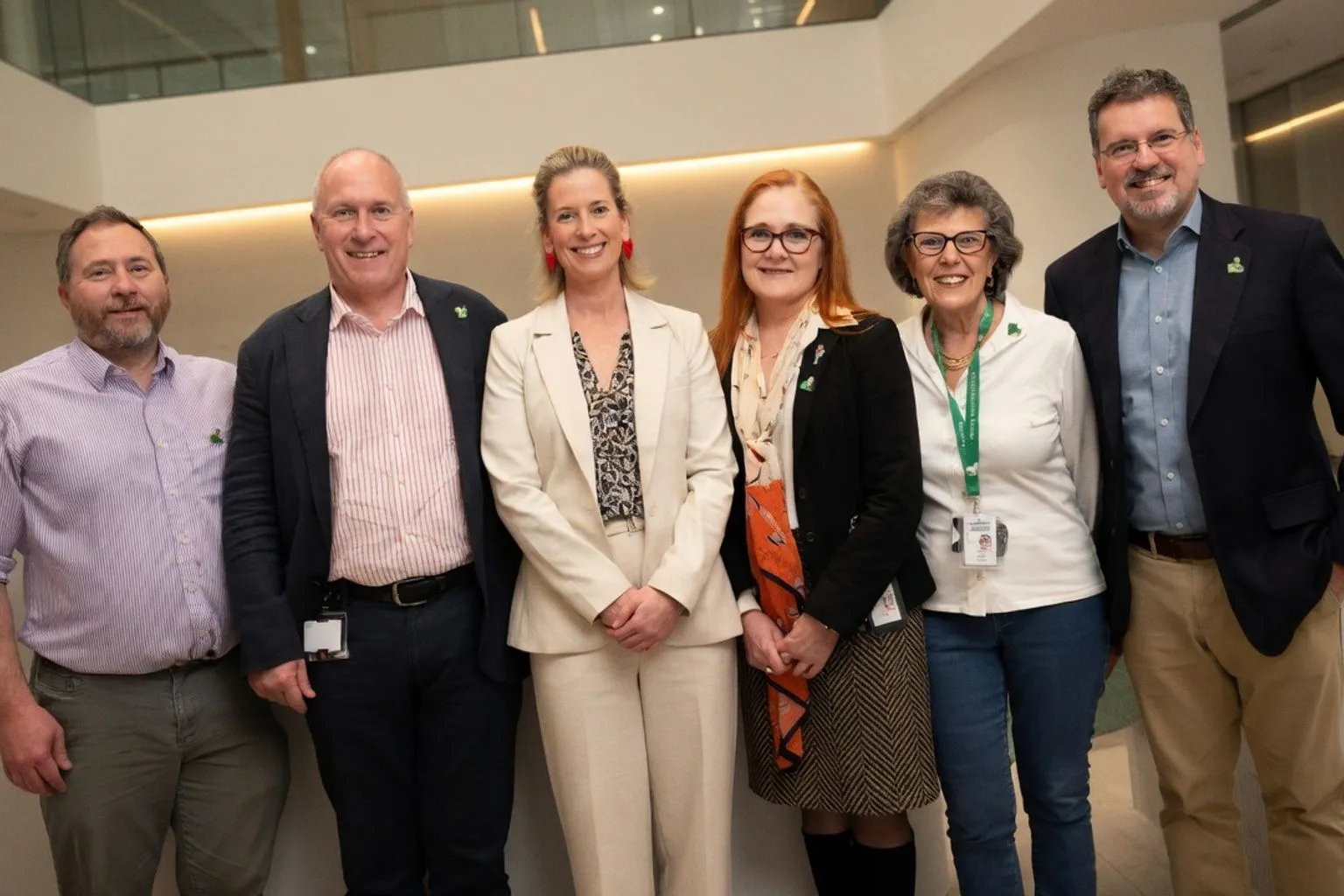
Expanding Childhood Cancer Research Across Australia – Children's Cancer Institute
As reported by Oncodaily, the Children's Cancer Institute is widening the reach of its flagship Zero Childhood Cancer Program (ZERO) — extending access to every Australian child diagnosed with cancer and, in a notable shift, to young adults with paediatric-type cancers. Institute leadership recently welcomed the Honorable Rebecca White, Assistant Minister for Health and Aged Care, Assistant Minister for Indigenous Health and Assistant Minister for Women, for a tour of the Minderoo Children's Comprehensive Cancer Centre, framing the visit as recognition of long-standing government support that the institute describes as essential to ZERO's growth.
What the Expansion Means Clinically
For us in pediatric immunology, the significance of an "every child" precision oncology platform extends well beyond the geographic reach. The children we see with primary immunodeficiencies carry an elevated lifetime cancer risk, and they sit at the intersection of two clinical worlds: a dysregulated immune system and a malignant process that often demands immune-modulating therapy. When a national program commits to enrolling every diagnosed child, the resulting molecular and immunological dataset becomes a clinical resource for the entire field — informing how we think about tumor biology in immune dysregulation, how the immune microenvironment differs in young patients, and which therapeutic pathways preserve or damage an already-fragile immune cascade. The quality of life of these children, both during and after treatment, hinges on those distinctions.
The Osteosarcoma Plateau
A separate piece in Better Magazine underscores why research pipelines matter so urgently. Osteosarcoma remains the most common primary bone cancer in children and adolescents, and the management pathway — aggressive chemotherapy, surgery, and radiation therapy — has barely evolved since the 1980s. Five-year survival for localized disease sits at roughly 60 to 75 percent, while for patients with distant metastases the figure falls to between 5 and 30 percent. The report describes the lived clinical presentation of a pediatric diagnosis: school becomes optional, sports disappear, and parents become medical navigators overnight. Advocacy organizations like MIB Agents have stepped into the translational gap. Its OutSmarting Osteosarcoma grant program has awarded nearly $3 million to researchers, helping generate new clinical trials and more than $28 million in follow-on research funding, while its annual FACTOR conference brings families and scientists together to evaluate proposals side by side. The recently passed Mikaela Naylon Give Kids a Chance Act, cited in the piece, signals legislative momentum behind pediatric oncology drug development.
What We Are Watching
Two threads will determine whether this moment translates into measurable outcomes: whether Australia's "every child" model produces publishable molecular and immunological data that the broader pediatric immunodeficiency community can actually use at the bedside, and whether osteosarcoma-specific funding — like MIB Agents' — can break the decades-long plateau in survival for metastatic disease. We will be tracking both.