New Consortium Launches Long-Term Health Monitoring for Pediatric CAR T-Cell Survivors
According to St. Jude Children’s Research Hospital, the nationwide CARnation Consortium has begun assessments for CONQUER, a study designed to examine the late physical and neurocognitive effects of novel CAR T-cell therapies in children.
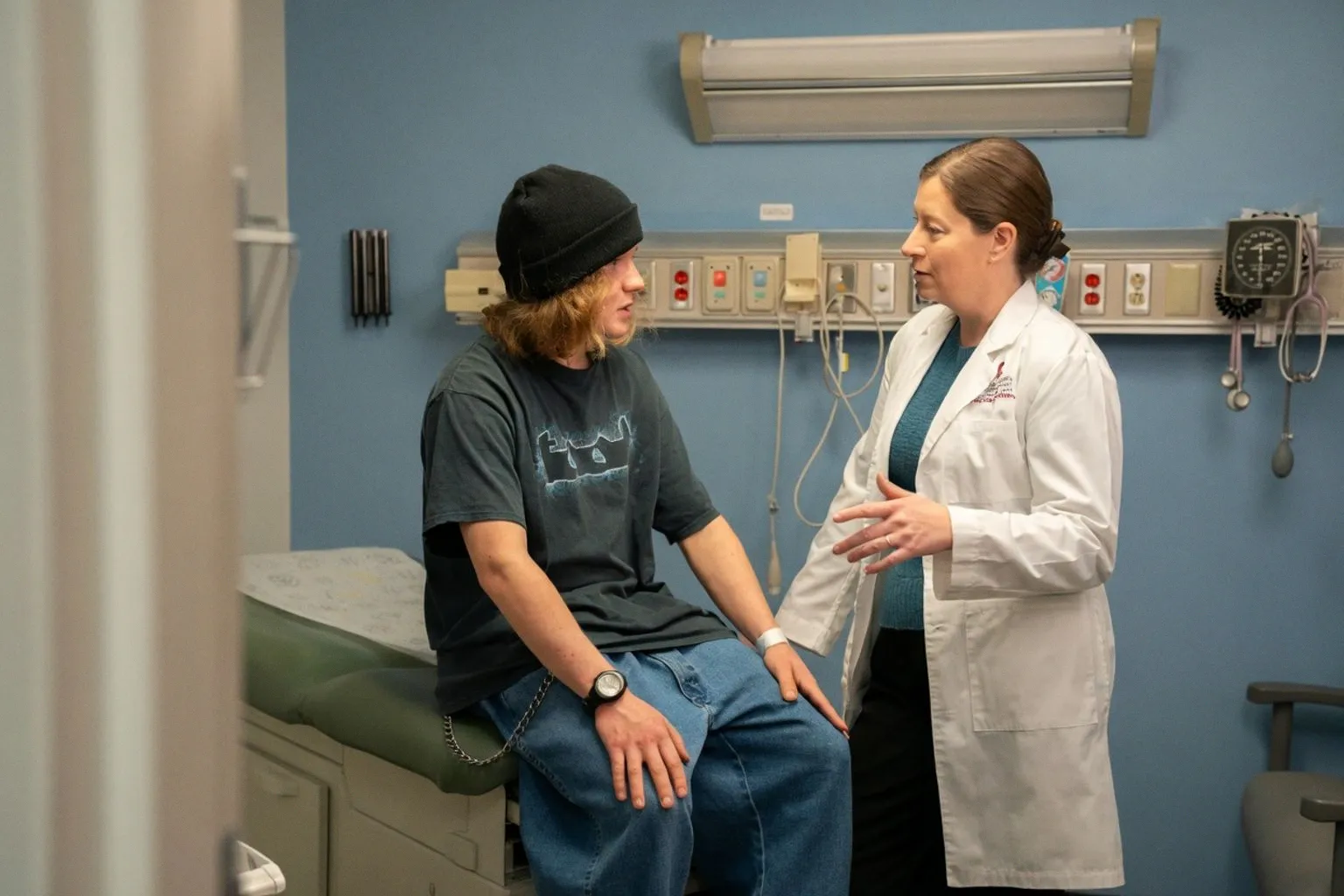
The initiative matters because these treatments are increasingly used for pediatric cancers, while their long-term safety profile remains a separate clinical question from initial disease response. For families and clinics, the key point is straightforward: CONQUER is building a follow-up system, not yet reporting definitive late-effect rates.
A survivorship study, not a new treatment trial
CAR T-cell therapy reprograms a patient’s own immune cells to recognize and destroy cancer. St. Jude identifies improved survival in children with refractory or relapsed B-cell acute lymphoblastic leukemia as an important clinical advance. But survival is not the only endpoint that matters in pediatric immunotherapy.
CONQUER is intended to determine how best to follow survivors who received novel CAR T-cell therapies as children. The first survivor assessed through the study was evaluated at St. Jude, which is serving as the host site for the collaborative effort. The planned assessments address both physical and neurocognitive health, reflecting the broader concern that pediatric cancer treatments can have effects extending into adulthood.
That distinction is clinically important. The current announcement does not provide a cohort size, adverse-event rate, statistical analysis, or evidence that any specific late effect has been detected. It describes the study’s framework and its first assessment. Any stronger claim about risk would go beyond the available evidence.
Why the consortium model matters
Long-term follow-up is difficult when a therapy is relatively novel and individual hospitals have treated only a limited number of children. A single institution may not have enough survivors to identify meaningful patterns of late effects quickly. CONQUER is designed to address that limitation by bringing multiple institutions and investigators into a shared survivorship model.
St. Jude was selected as the host because it already operates the St. Jude Lifetime Cohort Study, a long-term follow-up program for childhood cancer survivors treated at the institution. Its infrastructure includes comprehensive health assessments rather than a narrow laboratory check. The CONQUER evaluations include standard blood tests, physical ability testing in the Human Performance Lab, whole-genome sequencing, and psychological assessments.
From a clinical research standpoint, that breadth is useful—but it also raises the bar for interpretation. A broad assessment can identify signals across several domains, yet those signals still need careful comparison, follow-up, and statistical significance before they can be treated as established treatment-related effects. The current material does not report those analyses.
What families and clinics should watch
For patients previously treated with CAR T cells, the immediate relevance is the emergence of a structured survivorship pathway focused specifically on cellular immunotherapies. Families considering participation in a long-term assessment should clarify what the visit includes, which records are required, how physical and neurocognitive testing will be handled, and whether genomic or psychological assessments form part of the evaluation. Those details matter because CONQUER is built around a comprehensive assessment rather than a single blood test.
Clinicians should also separate three questions that are often blurred in coverage of advanced therapies: whether the treatment controlled the cancer, whether adverse events occurred during treatment, and whether health effects emerge years later. CONQUER addresses the third question. It does not, based on the available information, establish the efficacy of a new CAR T-cell product or provide a completed safety analysis.
In my experience evaluating pediatric cohorts, the value of a survivorship study is measured less by the announcement than by the quality of follow-up it sustains. CONQUER’s collaborative design may improve the chances of detecting late effects earlier, but the decisive evidence will come from the assessments themselves: a defined cohort, consistent endpoints, adequate follow-up, and results that distinguish treatment effects from the underlying burden of childhood cancer and prior care. For now, the sober verdict is that the infrastructure is being built; the long-term clinical conclusions are still pending.