Juvenile arthritis biologics: checklist before starting
The 2025 STOP-JIA trial results confirmed what many of us in pediatric rheumatology had suspected for years: earlier aggressive intervention in juvenile idiopathic arthritis (JIA) can alter the disease trajectory.
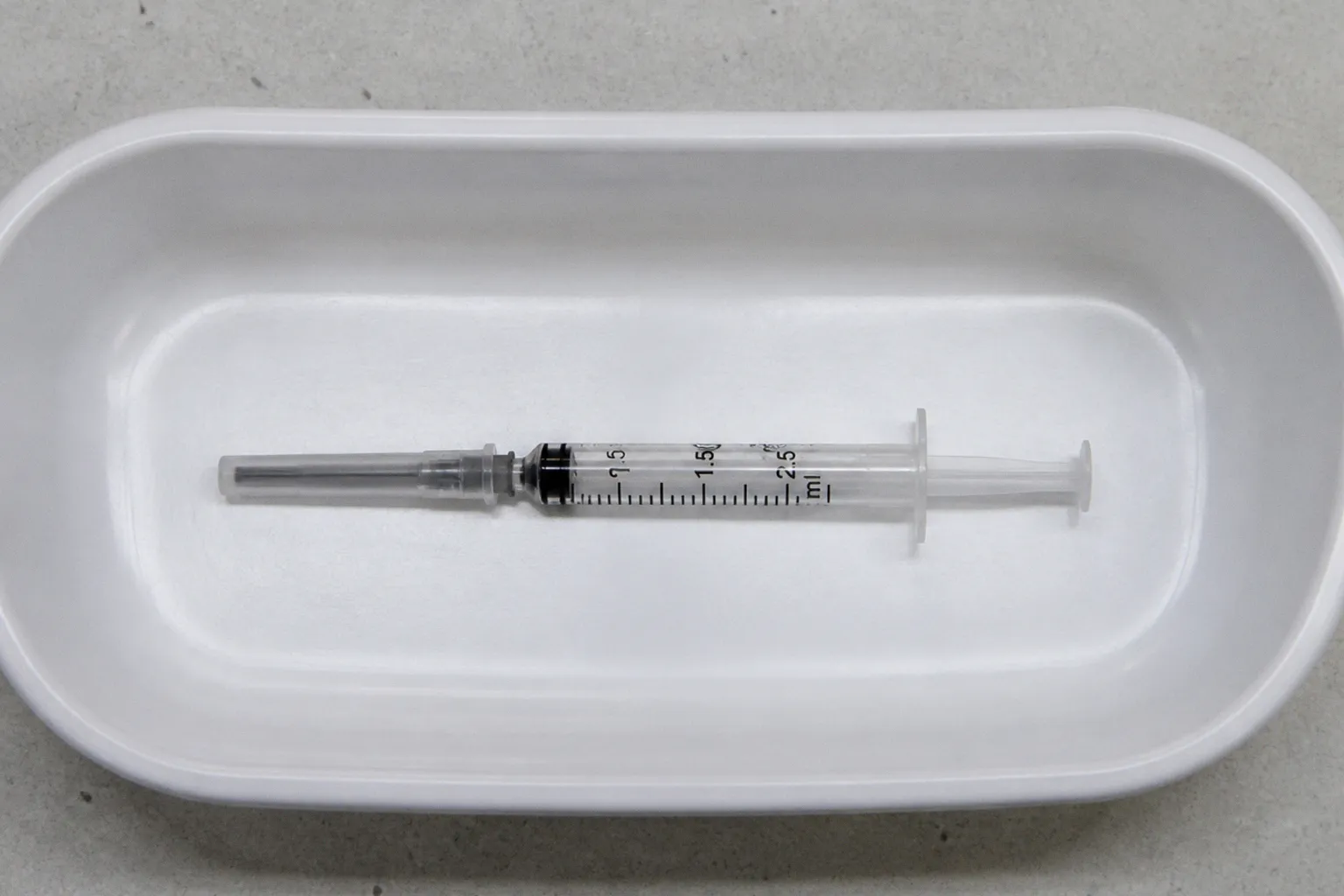
But “earlier” only delivers clinical value if the patient clears the pre-treatment safety checkpoints without avoidable complications. The interval between prescribing a biologic and administering the first dose is not administrative dead time. It is where infection risk, immunization status, laboratory abnormalities, and an emerging illness have to be reconciled before immunosuppression begins.
This is the unglamorous infrastructure work. No press release covers it. No efficacy endpoint gets celebrated at a conference. But miss a latent tuberculosis screen, schedule a live vaccine too close to initiation, or fail to identify hepatitis exposure, and a preventable problem can derail treatment faster than any failed primary outcome.
The practical question is not simply whether a child is eligible for a biologic. It is whether the child is ready to receive that biologic safely, with a documented baseline and a plan for what happens when the clinical situation changes.
Infection surveillance: screening for latent tuberculosis and hepatitis
Every child headed toward biologic therapy needs tuberculosis risk assessment and screening before the first infusion or subcutaneous injection. For most patients, this means an interferon-gamma release assay (IGRA), such as QuantiFERON-TB Gold or T-SPOT, or a tuberculin skin test (TST), selected according to age, prior vaccination, exposure history, and local practice.
I generally favor IGRA in children for whom the test is reliable, particularly when prior Bacille Calmette–Guérin (BCG) vaccination could complicate interpretation of a TST. That is not a statement that TST is unusable. It is a reminder that the result has to be read in context. A negative test does not erase a credible exposure history, symptoms suggestive of tuberculosis, or a clinical situation in which the immune response may be too impaired to produce a reassuring result.
The screening conversation should therefore include more than the laboratory order. The team should document:
- Previous or current residence in, or travel to, regions with a high prevalence of tuberculosis
- Close contact with a person who has active tuberculosis
- Prior positive TB testing or treatment for latent infection
- Symptoms such as persistent cough, unexplained weight loss, night sweats, or prolonged fever
- BCG vaccination and the timing of any previous TB test
- Whether the child has received other immunosuppressive treatment that could affect test performance
A chest radiograph may be obtained when clinically indicated. It is not a universal substitute for LTBI testing, and it is not a sensitive test for latent infection. Its role is different: when symptoms, exposure history, a positive screening test, or other clinical findings raise concern, imaging can help evaluate for pulmonary disease and provide useful clinical context before sustained immunosuppression. The treating clinician should decide whether chest radiography is warranted rather than treating it as an automatic step for every child.
If LTBI is identified, the child needs an individualized infectious-disease and rheumatology plan. Depending on the clinical circumstances, treatment may need to be completed before the biologic begins, or it may be initiated first with the biologic timed after an appropriate period of preventive therapy. That decision depends on the biologic being considered, the urgency of controlling JIA, the child’s overall risk, and the infectious-disease assessment. Starting a TNF inhibitor in a patient with untreated latent infection is not a minor deviation from protocol; it creates a reactivation risk that should have been addressed before the first dose.
Hepatitis screening is part of the same safety architecture
Hepatitis B and hepatitis C screening should be considered before biologic treatment, with the exact scope guided by the child’s history and risk profile. The concern is not limited to a child who appears acutely ill. Chronic or previously unrecognized viral infection can become clinically important when immune control is altered.
For hepatitis B, the relevant baseline information usually includes:
- Hepatitis B surface antigen (HBsAg)
- Antibody to hepatitis B surface antigen (anti-HBs)
- Total antibody to hepatitis B core antigen (anti-HBc)
This combination helps distinguish active infection, previous exposure, vaccine-related immunity, and absent immunity. A child who lacks protective hepatitis B immunity may need vaccination or catch-up planning, while a child with evidence of current or previous infection may need specialist review and additional viral testing before treatment.
Hepatitis C screening commonly begins with an anti-HCV antibody test. If the antibody result is positive, follow-up with HCV RNA testing is needed to determine whether there is current infection. The result should not be treated as a binary administrative flag. It changes the clinical pathway: the child may require hepatology or infectious-disease input, assessment of liver status, and a carefully coordinated decision about immunosuppression.
Biologics do not fail patients in the abstract. Preparation fails when a known infection risk is left undocumented or unmanaged.
The same principle applies to other infection risks. A medication list should include corticosteroids, methotrexate, previous biologics, and any recent antimicrobial treatment. The history should capture recurrent infections, unusual infections, recent hospitalization, and known household exposures. The goal is not to postpone every biologic indefinitely. It is to identify the risks that can be acted on before the first dose and to make the remaining uncertainty visible to the team.
The four-week window: managing live vaccine schedules before initiation
Live attenuated vaccines require deliberate scheduling around biologic initiation. MMR, varicella, and live attenuated intranasal influenza vaccine are the familiar examples. Once a child is receiving biologic therapy, live vaccines are generally avoided because immunosuppression can reduce the expected immune response and may increase concern about vaccine-strain infection.
The practical preparation rule is to administer indicated live vaccines at least four weeks before the first biologic dose. That interval is not a decorative line on a calendar. It is the minimum buffer commonly used to allow an adequate vaccine response and to avoid beginning biologic therapy immediately after live-virus immunization.
The timing becomes complicated when the child is behind on routine vaccines. A preschool-aged child who is due for varicella may need more than one dose, and the spacing requirements can make an apparently simple catch-up plan extend beyond the proposed biologic start date. This is where treatment urgency and vaccine timing have to be discussed together. A short delay may be reasonable. In another child, the rheumatologist may decide that disease control cannot wait and that the vaccine plan needs to be revisited later. There is no responsible universal answer detached from disease activity and infection risk.
The immunization review should establish:
- Which routine vaccines have already been given and which records are missing
- Whether the child has documented immunity from prior vaccination or disease
- Whether live vaccines are due before treatment
- Whether the proposed biologic start date leaves the required interval
- Whether household members need to follow precautions after receiving certain live vaccines
- Which inactivated vaccines can be administered without delaying treatment
Inactivated vaccines are not generally contraindicated during biologic therapy, although the immune response may be reduced in some circumstances. Catch-up should begin as early as practical, ideally while the treatment plan is still being developed. Influenza vaccination, COVID-19 vaccination, and other routine non-live vaccines should be considered according to the child’s age, health status, previous doses, and current public-health guidance.
| Pre-biologic immunization task | Timing relative to the first dose |
|---|---|
| Review the complete routine vaccination record | As early as possible, preferably when biologic treatment is first being considered |
| Complete indicated inactivated vaccines | Before treatment when practical; many can also be given during therapy |
| Administer live vaccines such as MMR or varicella | At least four weeks before biologic initiation when they are indicated |
| Plan influenza and COVID-19 vaccination | Before initiation when feasible, then continue according to current guidance |
| Reassess a missed or delayed live-vaccine opportunity | Discuss with the treating rheumatology team rather than making an unsupervised medication change |
A later live-vaccine decision, after treatment has already started, is different. The biologic may need to be withheld, and the interval required before vaccination depends on the specific agent, its dosing schedule, and its pharmacokinetic profile. Holding etanercept is not the same calculation as holding a longer-acting monoclonal antibody. Nor is a planned treatment holiday automatically safe: the risk of a JIA flare has to be weighed against the indication for vaccination. This is a clinician-directed decision, not a calendar rule that families should apply independently.
Establishing baseline laboratory parameters for organ function
Before the first dose, the patient needs a current laboratory baseline. The purpose is twofold. First, testing can identify pre-existing abnormalities that may alter the choice, timing, or intensity of treatment. Second, it creates a reference against which later results can be interpreted.
The usual baseline assessment includes:
- Complete blood count, including white-cell count, hemoglobin, and platelets
- Liver tests such as ALT, AST, albumin, and bilirubin
- Serum creatinine or another appropriate measure of renal function
- Inflammatory markers, commonly ESR and CRP, to support later assessment of disease activity
- Additional tests directed by the proposed biologic, comorbidities, previous treatment, or abnormal history
A baseline result is only useful if it is recent enough to describe the child at treatment initiation. A panel obtained months earlier, before a new infection or a change in methotrexate dose, may not be an adequate reference line. In practice, repeating the tests immediately before starting a biologic is often more informative than assuming that an older set of results still applies.
The laboratory record also needs interpretation. A mildly abnormal ALT in a child taking methotrexate may lead to a different conversation than the same result in a child with a history of viral hepatitis. A low white-cell count may reflect medication, recent infection, nutritional status, or an underlying hematologic issue. An elevated CRP may reflect active arthritis, an intercurrent infection, or both. The number itself is not the decision; the clinical context is.
Many children begin biologic therapy while already receiving methotrexate. In that setting, the laboratory burden belongs to the combined regimen, not to the biologic alone. Methotrexate monitoring should be current, and the clinician should be clear about which abnormality would prompt repeat testing, dose adjustment, temporary interruption, or specialist review. The biologic may improve arthritis while methotrexate remains the more relevant explanation for a liver or blood-count abnormality.
The baseline visit is also the right time to record information that will not appear in a standard chemistry panel:
- Growth, weight, and height trajectory
- Blood pressure when clinically relevant
- Disease activity and functional limitations
- Joint examination findings
- Extra-articular features, including eye-related concerns in children at risk for uveitis
- Current corticosteroid exposure and cumulative treatment burden
- School attendance, physical activity, sleep, and the practical effect of JIA on daily life
These details matter because biologic response is not defined only by a lower inflammatory marker. A child whose CRP improves but who continues to lose growth, miss school, or develop progressive joint limitation needs a different clinical assessment from a child improving across several domains.
Acute illness protocols: when to pause biologic administration
Biologic therapy must be temporarily held when a child has an active fever or an acute systemic infection. That rule should be stated plainly because “minor viral illness” can become a dangerous category when families are left to define it without clinical guidance. A fever is not exempt from the hold simply because it is low-grade, the symptoms resemble a familiar upper-respiratory infection, or a viral exposure is known.
The treating clinician should assess the child’s symptoms, examination findings, temperature pattern, hydration, respiratory status, and likely source of infection. The biologic should remain on hold while the active fever or significant infection is being evaluated. A child with a mild runny nose and no fever may be managed differently from a child with the same congestion plus fever, but that distinction needs to be made by the clinical team and communicated clearly to the family.
More urgent review is warranted when there is:
- Persistent or recurrent fever
- Breathing difficulty, hypoxia, or chest pain
- Marked lethargy, confusion, or unusual behavior
- Poor fluid intake or signs of dehydration
- Focal bacterial symptoms, such as severe ear pain or urinary symptoms
- Rapid clinical deterioration
- Recent hospitalization or treatment with systemic antibiotics
- A possible exposure to a serious contagious infection
The biologic generally resumes only after the acute illness has resolved and the clinician considers restarting safe. In many practices, the child is expected to be afebrile without antipyretics for a defined period, often 24 to 48 hours, but the appropriate interval is case-specific. It may be longer after a serious infection, hospitalization, pneumonia, or an infection requiring prolonged treatment.
What happens during the hold matters as well. A brief interruption may carry a low flare risk for some patients, while others can experience a return of symptoms when doses are missed. The timing depends on the biologic, the child’s disease stability, the previous response to missed treatment, and the severity of the infection. Shorter-acting agents may offer less buffer than longer-acting therapies, but pharmacokinetics should not override the immediate infection assessment.
Families should know before the first dose whom to call, what temperature or symptom threshold triggers contact, and whether the next dose should be delayed while awaiting advice. This is not a minor communication detail. A biologic held for an appropriately managed fever is easier to restart than a biologic given through an infection that then becomes severe.
Long-term monitoring standards for sustained maintenance therapy
Once the child is established on a stable biologic regimen, monitoring moves into a maintenance rhythm. Laboratory safety checks are commonly performed at regular intervals, often every 8 to 12 weeks during stable therapy, although the interval should reflect the biologic, concurrent medications, recent abnormalities, and the child’s clinical course.
A typical maintenance panel may include:
- CBC with differential
- Liver-function testing
- ESR and CRP when useful for disease activity assessment
- Renal-function testing when clinically indicated
- Additional infection or medication-specific testing when the history requires it
The schedule should become more frequent after treatment initiation, a dose change, a new concurrent medication, an abnormal result, or a significant infection. Stable monitoring does not mean automatic monitoring. The question at each visit is whether the current interval still matches the patient’s risk.
TB re-screening remains a genuine area of variation. Guidelines and clinical practice recognize the need for baseline screening but do not establish one universal repeat interval for every low-risk child on stable therapy. Some centers repeat testing annually. Others repeat it when there has been a new exposure, travel to a high-prevalence region, a change in risk profile, or symptoms that raise concern. The important point is to document the rationale rather than allowing repeat screening to become either a reflexive annual order or an entirely forgotten task.
Long-term follow-up also has to look beyond drug toxicity. A child on biologic therapy still needs assessment of:
- Arthritis activity and cumulative joint damage
- Growth and nutritional status
- Eye screening where uveitis risk is relevant
- Bone health, especially with substantial corticosteroid exposure
- Sleep, mood, school participation, and physical function
- Vaccine status and infection history
- Adherence, injection technique, and access to medication
- The family’s understanding of when to hold treatment and seek advice
The monitoring visit is where the original preparation work proves its value. Without a defensible baseline, it is harder to distinguish a new medication signal from a pre-existing abnormality. Without a documented vaccination and infection history, each subsequent decision becomes slower and less reliable. Without a clear illness protocol, families may either stop treatment unnecessarily or continue it when a child needs evaluation.
The strongest pediatric biologic programs make these decisions visible. They record the TB assessment, note whether chest imaging was clinically indicated, document hepatitis results, reconcile vaccines, review baseline labs, and provide written instructions for febrile illness. None of that is glamorous. It is simply how a high-risk treatment becomes a controlled treatment.
The preparation is part of the treatment
Pre-biologic preparation for JIA is not a regulatory checkbox. It is the safety architecture that determines whether an effective therapy can be delivered without avoidable interruption or preventable harm.
The sequence is straightforward, even when the individual decisions are not: assess TB risk and screen for latent infection, review hepatitis status, complete indicated immunizations with the necessary live-vaccine interval, establish current laboratory and clinical baselines, and define exactly what happens if fever or acute infection develops. Then carry that same discipline into maintenance monitoring.
Early treatment can change the course of juvenile idiopathic arthritis. But early does not mean rushed, and rapid access does not mean skipping the work between the prescription and the first dose. A biologic is ready to start when the patient has been assessed as ready—not merely when the medication has arrived.
If the pre-treatment safety questions are not answered, the child is not yet at the first dose. The preparation is still part of the treatment.