Canada’s First Paediatric Olink Lab Aims to Transform Precision Diagnostics for Children
According to a recent announcement from Children's Health Research Institute (CHRI), researchers at London Health Sciences Centre Research Institute have opened what they describe as Canada's first…
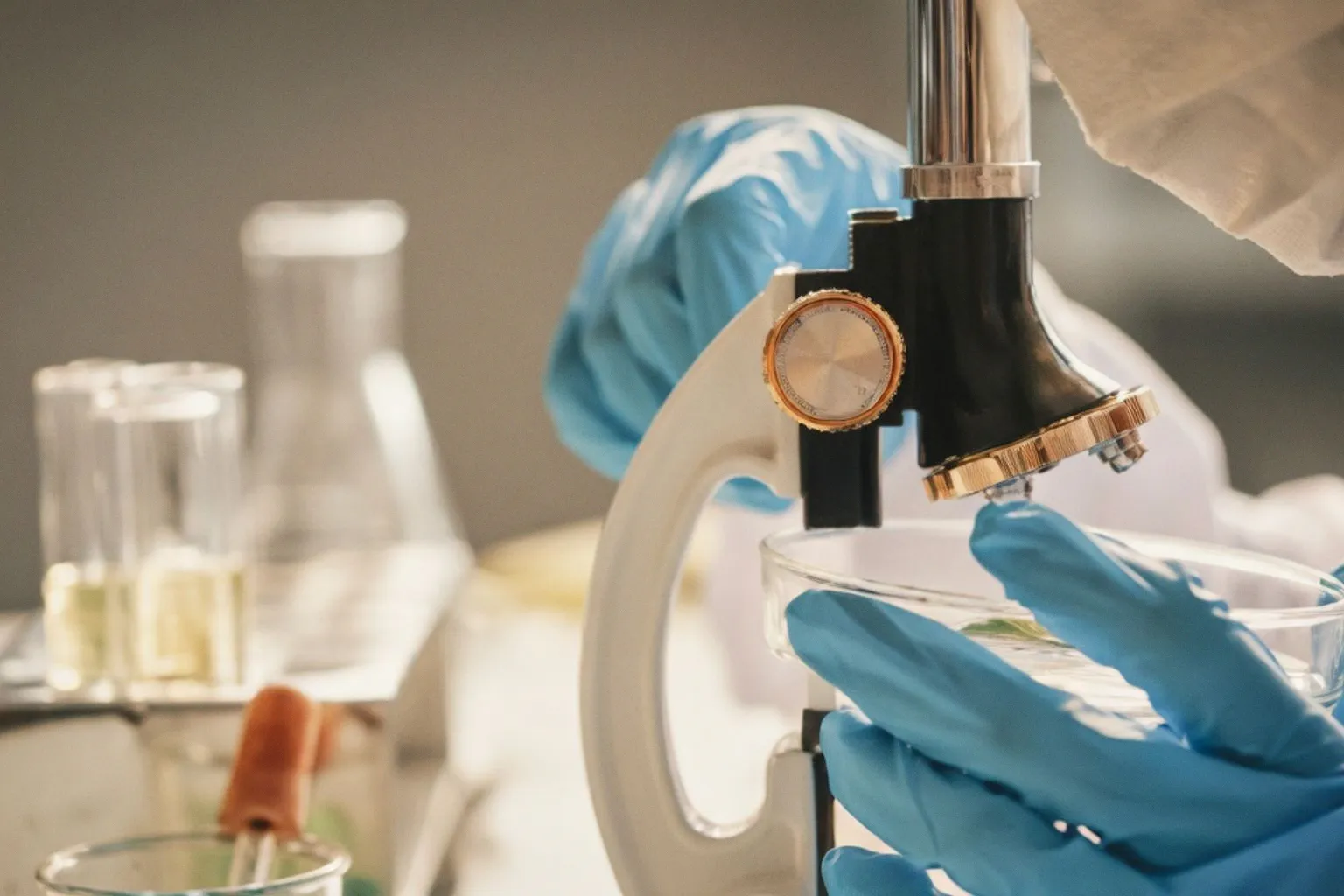
According to a recent announcement from Children's Health Research Institute (CHRI), researchers at London Health Sciences Centre Research Institute have opened what they describe as Canada's first paediatric laboratory certified to run Olink's high-throughput protein profiling platform. In my experience running paediatric cohorts, the bottleneck has never been ambition — it's been sample volume, reproducibility, and the gap between biomarker discovery and clinically actionable results. Whether this new infrastructure genuinely shifts the diagnostic landscape for children, or simply consolidates capability that already existed internationally into a domestic address, is worth examining.
What the platform actually offers
The core value proposition is straightforward: Olink's technology measures thousands of proteins simultaneously from a minimal blood sample. CHRI's announcement states researchers can now generate detailed protein profiles from "just a single drop of blood," while conventional testing methods may require up to a few millilitres. For a premature neonate weighing one or two pounds, that difference is not trivial. It determines whether the measurement is even feasible.
Dr. Victor Han, Scientific Director of CHRI, framed the approach as pre-symptomatic detection — identifying proteomic shifts before disease becomes clinically apparent, then applying bioinformatics and artificial intelligence to delineate disease processes and identify targets for personalised therapy. His stated ambition, as quoted in the release: to "predict diseases before children become seriously ill."
Where the research stands now
The lab is not yet publishing peer-reviewed validation data. What CHRI has announced is infrastructure deployment. The first active research programme involves preeclampsia biomarker discovery — studying protein signatures that could enable earlier diagnosis of a condition affecting both mothers and infants. No diagnostic sensitivity figures, specificity data, or efficacy endpoints have been disclosed at this stage.
This matters because proteomic profiling platforms have a well-documented history of generating promising discovery-phase results that fail to translate into validated clinical assays. Cohort sizes, reproducibility across sites, and the analytical validity of any biomarker panels derived from this work will need to be published and independently replicated before the technology moves from research tool to standard-of-care diagnostic.
What I'm watching
For clinicians and families tracking early-diagnosis efforts in primary immunodeficiencies, the practical questions are concrete. Will protein signatures generated through this platform be validated against established genetic and functional immunologic testing? Will CHRI share standardised protocols with other Canadian centres, or will access remain gated? And critically, will the cost-per-sample be sustainable outside research budgets?
The announcement notes that Canadian researchers previously had to ship samples internationally for this level of analysis. Bringing the platform domestically eliminates logistics friction and chain-of-custody concerns — a legitimate operational win. But operational convenience is not a clinical efficacy endpoint. Until I see published analytical validity data and prospective cohort results, I treat this as promising infrastructure, not yet a therapeutic breakthrough.