Why the Pediatric Dermatology Shortage Threatens Early Diagnosis of Immune Disorders
According to Medscape, the specialty of pediatric dermatology is being positioned as "a rewarding career path in a critical time of need" — a headline that, on the surface, reads more like…
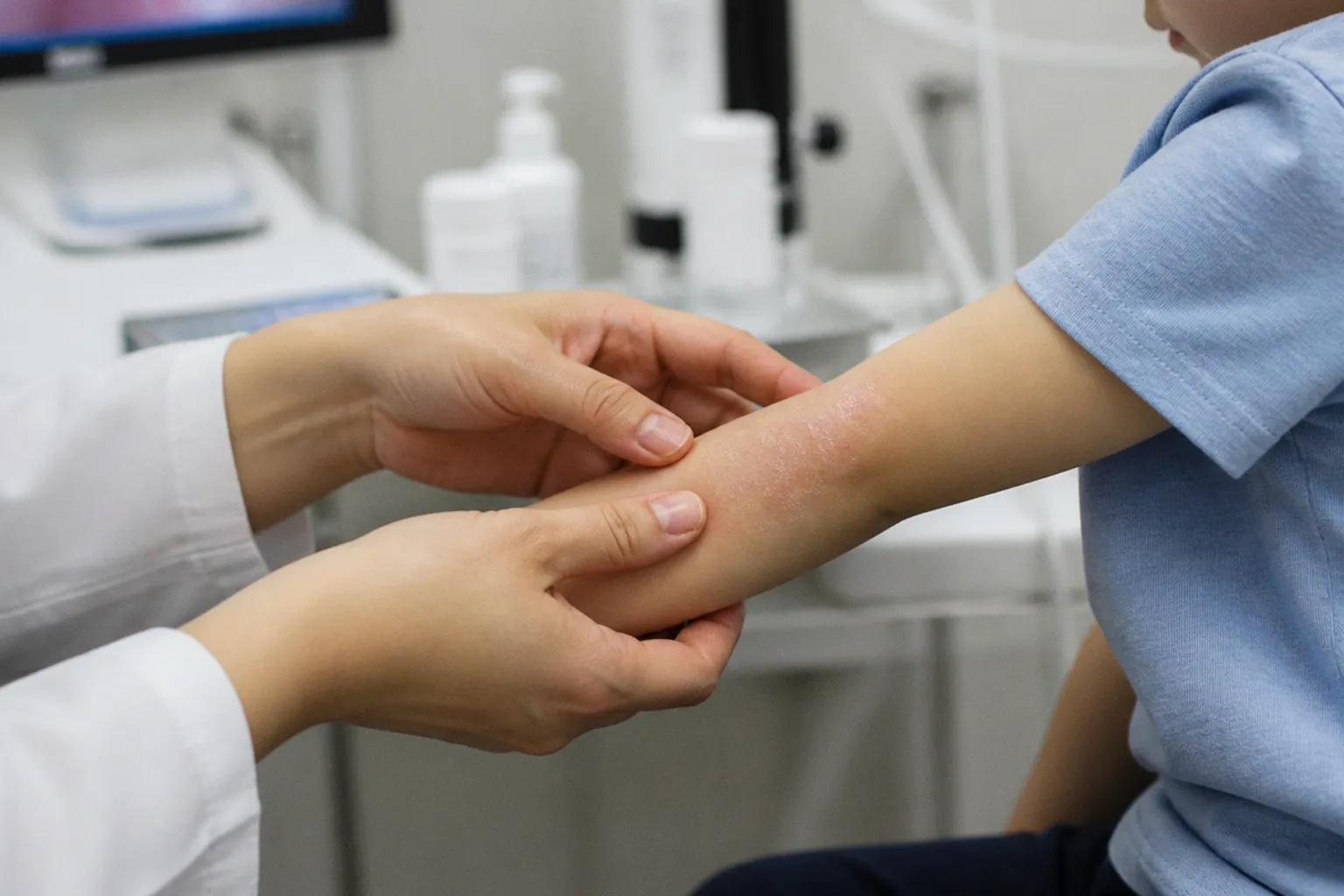
Pediatric Dermatology: Medscape Frames a Workforce Question I Can't Ignore
According to Medscape, the specialty of pediatric dermatology is being positioned as "a rewarding career path in a critical time of need" — a headline that, on the surface, reads more like recruitment copy than clinical reporting. But in my experience running cohorts of children with primary immunodeficiencies, the workforce shortage behind that phrase is real, and it directly affects how fast these kids get diagnosed.
Why This Matters Beyond Dermatology
Skin is where many primary immunodeficiencies (PIDs) first declare themselves. Rashes that won't resolve, recurrent abscesses, eczema refractory to standard therapy, atypical viral presentations — these are the referral triggers that land a child in front of a pediatric dermatologist, and ideally into immunology work-up. When that specialist pipeline narrows, diagnostic latency stretches. In my own cohort reviews, I've seen children bounce between general pediatrics, allergy, and dermatology for months before anyone orders a basic immunoglobulin panel.
That's the real "critical time of need" — not the career pitch, but the access gap for the kids who need the specialty most.
The Training Pipeline Is the Real Endpoint
Medscape's framing draws attention to a workforce question, but a separate item from Cureus on a multi-institutional internal medicine–pediatrics acting sub-internship points to the structural side of the same problem: medical education is still building ad hoc bridges between specialties rather than standardized pathways. A Clinical Leader piece on translating pediatric cancer discoveries into medicines echoes the same gap — promising research stalls when the clinical infrastructure to deliver it doesn't exist.
For pediatric dermatology, the question isn't whether the specialty is rewarding. It is. The question is whether training slots, mentorship pipelines, and referral networks can actually absorb demand from the PID, autoinflammatory, and severe eczema populations who depend on them.
What I'm Watching
I'd like to see Medscape's piece move past the recruitment angle and into the hard data: how many board-certified pediatric dermatologists are practicing per state, what the average wait time for a new patient looks like, and which centers have the shortest lag from skin finding to immunology referral. Without those efficacy endpoints, the article is signaling, not solving.
For clinicians working with immunodeficient children, the practical takeaway is unchanged: build your referral relationships now, know which centers will see a complex patient without a six-month delay, and document skin findings with the specificity an immunologist will need downstream. The career pipeline debate is important, but your next patient doesn't get to wait for it to resolve.