IVIG infusion side effects: hidden costs and safety traps
Intravenous immunoglobulin can be an essential part of treatment for children with antibody deficiencies, but it is not a risk-free replacement therapy.
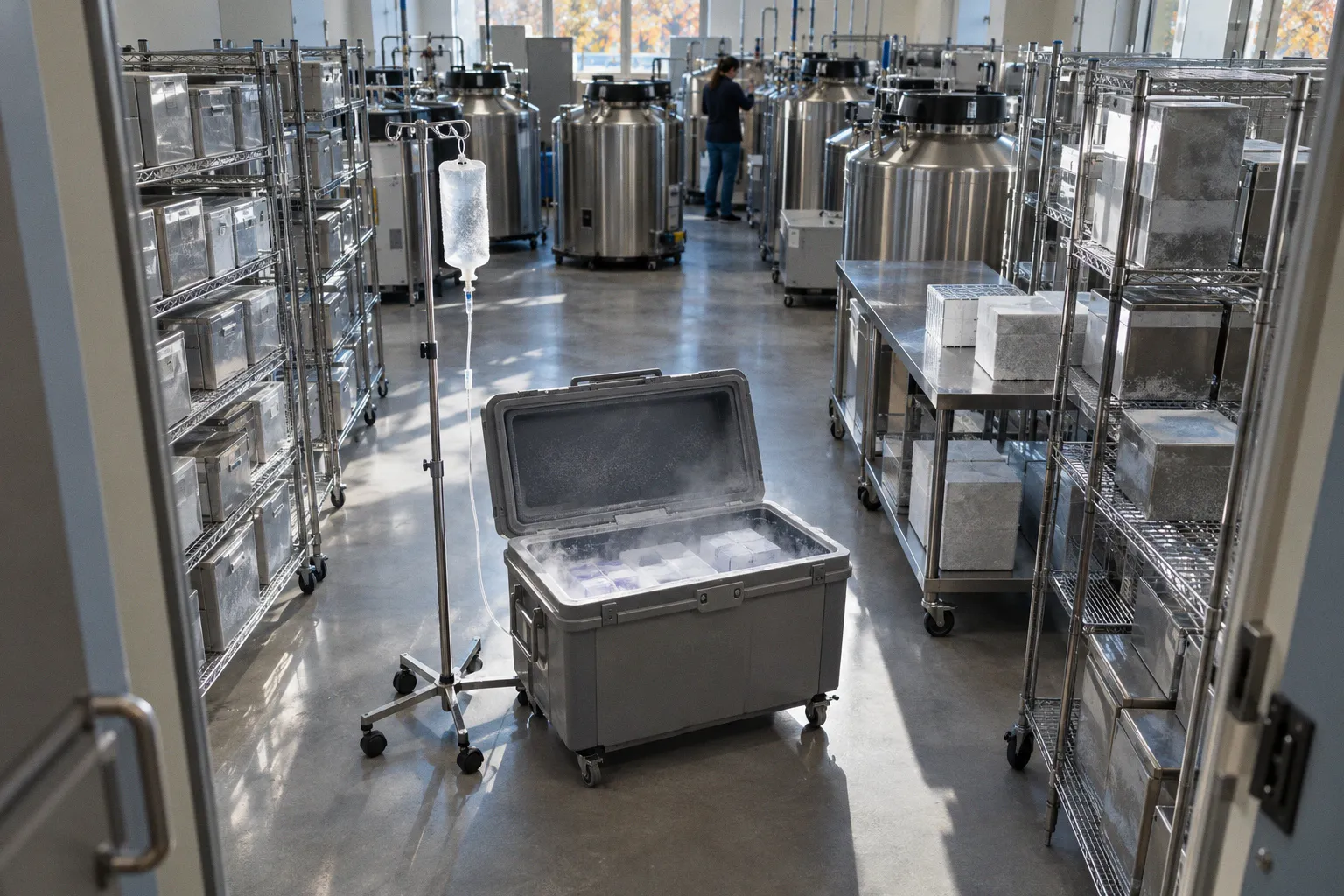
Reported adverse events range from 1% to 40% in pediatric patients, depending on the indication, product, infusion protocol, and way the reaction is recorded. In a pooled systematic review, 38.8% of children experienced at least one adverse event, while infusion-level events were reported in 12.6% of administrations.
That range is wide because IVIG is not one uniform treatment. A child receiving replacement immunoglobulin for an antibody deficiency may have a very different risk profile from a child receiving a high-dose immunomodulatory course for an inflammatory condition. The practical question is therefore not simply whether IVIG causes side effects. It is how the clinical team identifies a reaction early, distinguishes a manageable infusion symptom from a warning sign, and adapts the management pathway without compromising immune protection.
The spectrum of pediatric IVIG side effects
Most immediate reactions occur during the infusion or within the first six hours. Headache and fever are among the most frequently reported symptoms: headache accounts for up to 54.3% of infusion-associated adverse events in the available pediatric data, and fever for up to 29.4%.
These symptoms are often mild, but their meaning depends on timing, severity, recurrence, and the child’s underlying condition. A low-grade fever developing during an infusion is managed differently from persistent fever after treatment in a child with severe congenital neutropenia, for example. Similarly, a headache may reflect a transient infusion reaction, but a severe or unusual headache requires a more careful assessment rather than automatic reassurance.
The clinical presentation may include:
- headache, fever, chills, fatigue, nausea, or vomiting;
- flushing, rash, itching, or other symptoms suggesting a hypersensitivity-type reaction;
- changes in blood pressure, heart rate, or general appearance;
- back or abdominal discomfort;
- reduced urine output or other findings that raise concern about renal function;
- dark urine, pallor, or unexpected fatigue, which may require assessment for hemolysis;
- severe headache with neck stiffness, photophobia, or persistent vomiting, which can be consistent with aseptic meningitis and should not be treated as an ordinary infusion complaint.
The distinction between a common reaction and a serious complication is not made by the symptom alone. We look at the whole pattern: how quickly it appeared, whether it improves when the infusion is slowed, whether it recurs with the same product, and whether there are objective changes in vital signs, urine output, blood counts, or kidney function.
The safest IVIG protocol is not the fastest one; it is the protocol that allows the team to recognize a changing clinical picture before a mild reaction becomes a significant complication.
Why reported rates differ so widely
A rate of 1% and a rate near 40% can both appear in credible pediatric literature because studies may count different things. Some record every symptom reported by the child or family, while others count only events judged to be related to the infusion. One study may analyze individual children across a treatment period; another may analyze each infusion separately.
The product itself also matters. IVIG preparations differ in concentration, stabilizing agents, immunoglobulin characteristics, osmolality, and other formulation details. The same child may tolerate one product well and experience headache, fever, or another reaction after a change in formulation. Infusion speed, hydration status, recent illness, the treatment indication, and the dose all alter the risk landscape.
This is why a previous uncomplicated infusion is reassuring but not a guarantee. It gives the team useful information about that child’s prior tolerance; it does not eliminate the need for observation at the next administration.
Dosing dynamics: replacement is not the same as immunomodulation
One of the most important safety traps is treating all IVIG dosing as if it followed the same logic. It does not.
For children with antibody deficiencies, replacement dosing commonly falls in the range of 400–600 mg/kg per month, adjusted according to the clinical situation and treatment response. The aim is to provide missing antibody support and reduce the burden of recurrent or severe infection.
Immunomodulatory treatment uses a substantially different exposure. A dose of 2 g/kg may be used for autoimmune or inflammatory conditions such as Kawasaki disease. That is not simply a larger version of replacement therapy. It changes the amount of immunoglobulin delivered over a defined treatment course and can change the likelihood of infusion-related symptoms and other complications.
| Treatment context | Typical dosing concept | Main clinical objective | Safety implication |
|---|---|---|---|
| Antibody replacement | About 400–600 mg/kg per month | Restore inadequate antibody protection | The schedule is usually repeated, so cumulative tolerance and recurring symptoms matter |
| Immunomodulatory treatment | Often 2 g/kg for selected inflammatory conditions | Alter an immune-mediated process | A larger treatment exposure may require closer attention to infusion rate, hydration, and delayed complications |
| Individualized regimen | Adjusted to diagnosis, response, product, and clinical findings | Match therapy to the child’s immune and disease profile | The dose and rate should not be copied from another indication or another product |
These figures are not a prescription. The appropriate regimen depends on the diagnosis, the child’s weight and organ function, the product used, previous reactions, and the treating team’s protocol. For replacement therapy, clinical outcomes matter alongside laboratory values: fewer serious infections, recovery from infections, school attendance, energy, and overall quality of life all help determine whether the management pathway is working.
A child may continue to have some infections despite adequate treatment, particularly when there are additional problems involving the lungs, mucosal barriers, neutrophils, or structural anatomy. That does not automatically mean that the IVIG dose should be increased. The team must first establish whether the clinical presentation reflects inadequate antibody replacement, another immune defect, exposure to infection, an unrelated respiratory problem, or a complication of treatment.
The infusion rate is part of the treatment
IVIG dosing and infusion rate should be considered together. Even when the total dose is appropriate, delivering it too quickly may increase the likelihood or severity of an immediate reaction. The first response to many infusion-related symptoms is to slow or temporarily interrupt the infusion, assess the child, and restart cautiously only when the clinical team considers it safe.
This is not an inconvenience added around the treatment. It is a core safety measure. A protocol that allows rate titration creates room to respond to the child’s physiology instead of forcing the infusion to follow a rigid clock.
Premedication may be used in selected circumstances, but antipyretics or antihistamines do not remove the possibility of an IVIG reaction. They may also make the clinical picture less obvious by reducing fever, discomfort, or itching while another process is developing. The team should therefore rely on ongoing observation and objective assessment, not on premedication as a substitute for monitoring.
Brand switching and formulation differences
Changing IVIG brands can appear administratively simple, particularly when supply, procurement, or local availability changes. Clinically, it deserves more attention. IVIG products are not interchangeable in their composition or infusion behavior, and dosing rates should not be assumed to transfer identically from one product to another.
A child who previously tolerated one brand may develop a headache, fever, nausea, or another adverse event after a switch. That does not prove that the new product is unsuitable, and it does not mean every reaction requires permanent discontinuation. It does mean that the change should be documented and treated as a clinically relevant event rather than dismissed as coincidence.
Before a planned switch, the treatment record should make clear:
- the previous product and the proposed product;
- the dose, concentration, and intended infusion schedule;
- the child’s history of immediate and delayed reactions;
- whether the previous infusion required a slower rate or interruption;
- relevant kidney, blood-count, or hemolysis concerns;
- the observation plan for the first administration of the new product.
The product name is not a minor detail in the medical record. If the child develops repeated symptoms, the sequence of products, rates, and reactions may help the immunology team identify a pattern. Without that information, each episode can look like an isolated headache or fever, and an opportunity to improve the protocol is lost.
The hidden cost of brand switching is therefore not limited to discomfort. It may mean a longer appointment, additional clinical review, missed school or work, repeat laboratory testing, or a disruption in the regular replacement schedule. For a child who depends on consistent antibody support, the safest response to a product change is planned observation, not informal substitution.
Immediate management of an infusion reaction
When symptoms begin during IVIG administration, the first action is usually to slow or temporarily stop the infusion. The child should be assessed rather than simply encouraged to tolerate the remaining dose. The response depends on the clinical presentation and the severity of the event.
A practical sequence is:
1. Pause the assumption that the symptom is minor. Headache or fever may be common, but the team should assess the timing, intensity, vital signs, and associated findings.
2. Slow or temporarily interrupt the infusion. This is the primary initial management step for many immediate reactions.
3. Reassess the child before restarting. The decision to resume, at what rate, or to discontinue the infusion depends on whether the symptoms improve and whether any warning signs are present.
4. Document the episode precisely. Record the product, dose, rate at symptom onset, symptoms, vital signs, interventions, and outcome.
5. Plan the next administration rather than repeating the same exposure automatically. The next infusion may require a modified rate, closer observation, additional hydration, or a review of whether the product remains appropriate.
This approach is especially important in children who cannot describe symptoms clearly. Younger children may show irritability, pallor, reduced interaction, vomiting, or a change in behavior before they can report a headache or chest discomfort. Parents and caregivers often recognize these changes first, and their observations should be taken seriously.
Managing IVIG-related headaches in children
Headache is common enough to be familiar, but it should not be normalized without context. We need to know whether it begins during the infusion, shortly afterward, or later; whether it resolves after the rate is reduced; whether it appears after every treatment; and whether it is accompanied by fever, vomiting, neck stiffness, light sensitivity, altered behavior, or neurological symptoms.
Supportive measures may include hydration and adjustment of the infusion rate, according to the treating team’s protocol. Recurrent headaches should prompt a review of the product, dose, rate, and timing rather than repeated reliance on symptomatic medication alone. If a headache is severe, persistent, or clinically different from previous episodes, the child requires medical assessment for more serious causes, including aseptic meningitis.
The goal is not to prevent every mild symptom at any cost. The goal is to preserve effective immunoglobulin treatment while identifying the smallest safe adjustment that improves the child’s experience and protects quality of life.
Monitoring for delayed complications and renal safety
Immediate infusion reactions are only one part of pediatric IVIG safety. Some clinically important complications may become apparent after the infusion and require a different monitoring strategy.
Kidney function and hydration
Renal dysfunction is an uncommon but serious concern associated with IVIG therapy. Hydration status matters because a child who is unwell, dehydrated, or already vulnerable to kidney injury may have less physiological reserve during treatment. The appropriate hydration plan depends on the child’s age, cardiac and renal status, oral intake, and the treating protocol; more fluid is not automatically safer for every patient.
The clinical team may review baseline and follow-up kidney function when the child’s risk profile warrants it. Families should know which changes require prompt contact, such as markedly reduced urine output, unusual swelling, persistent vomiting, or a notable decline in the child’s general condition.
Hemolysis
Hemolysis is another recognized serious complication. The relevant presentation may include pallor, dark urine, jaundice, unusual fatigue, or a worsening clinical state after treatment. These findings are not specific to IVIG, but they should not be attributed to an ordinary infusion reaction without assessment.
The need for laboratory monitoring depends on the dose, indication, product, prior history, and the child’s overall risk. A high-dose immunomodulatory course is not clinically identical to monthly replacement, and monitoring should reflect that difference.
Aseptic meningitis
Aseptic meningitis can present with severe headache, neck stiffness, light sensitivity, fever, nausea, or vomiting. It is not the same as a brief headache that improves when the infusion is slowed. A child with a severe or persistent headache, particularly when neurological or meningeal symptoms are present, needs urgent clinical evaluation.
The available evidence does not establish a simple nationwide rate for severe delayed events in pediatric home-infusion settings compared with hospital settings. That uncertainty is one reason the observation plan should be individualized, with clear instructions about which symptoms require immediate contact and which can be discussed at routine follow-up.
Building a safer management pathway
A reliable IVIG monitoring protocol is not defined by one universal observation time or one premedication bundle. It is a sequence of decisions that begins before the infusion and continues after the child leaves the unit.
For the treating team, the pathway usually includes:
- confirming the indication and dose rather than carrying forward an outdated order;
- reviewing the exact product and any recent brand change;
- recording previous reactions, including symptoms that did not require emergency treatment;
- assessing current illness, hydration, urine output, and relevant organ-function concerns;
- starting at an appropriate rate and titrating according to the child’s response;
- observing the child during the infusion and for the period required by local clinical protocol;
- giving families a clear plan for delayed symptoms and emergency warning signs;
- reviewing whether recurring adverse events are affecting adherence, school attendance, family work schedules, or quality of life.
For families, a concise treatment record can be very useful. Keep the date, product name, dose, approximate duration, symptoms, and what helped. If a brand is changed, note that separately. This information allows the immunology team to distinguish a one-time event from a reproducible pattern.
The practical trade-off is often between treatment convenience and treatment control. A shorter infusion may be attractive, but a slower protocol can be the better option for a child with repeated headaches or fever. A brand that is readily available may not be the best immediate fit if the child has reacted after previous substitutions. A home-infusion pathway may improve access and reduce travel, but it must include appropriate clinical oversight and a clear escalation plan.
IVIG safety is not achieved by eliminating every symptom; it is achieved by making each reaction visible, interpretable, and actionable.
Long-term outlook for children receiving IVIG
For children with primary antibody deficiencies, IVIG can substantially reduce the clinical consequences of inadequate humoral immunity and support a more stable daily life. The long-term objective is not merely to complete each infusion. It is to maintain protection while minimizing treatment disruption, avoidable adverse events, and the burden placed on the child and family.
That requires periodic reassessment. The diagnosis may become clearer as genetic testing, immune phenotyping, and clinical history develop. Some children have additional immune defects that change the management pathway. Others may eventually become candidates for a different form of immunoglobulin replacement or a revised treatment schedule, depending on their condition and specialist assessment.
We should also measure outcomes beyond laboratory results. Fewer serious infections, improved respiratory health, more reliable school attendance, better energy, and reduced anxiety around treatment are clinically meaningful. If side effects repeatedly cause missed infusions or make the family consider stopping therapy, the answer is not to blame the treatment or the family. It is to revisit the rate, product, dose, monitoring plan, and communication around the infusion.
Pediatric IVIG therapy remains a valuable treatment, but safe administration depends on disciplined individualization. Understand the purpose of the dose, treat the product and rate as clinically important, respond promptly to early symptoms, and keep delayed complications in view. With that approach, we can preserve the protective benefit of immunoglobulin while giving children the best possible chance of stable health and quality of life.